
The Habits That Quietly Make Drivers Less Safe Over Time

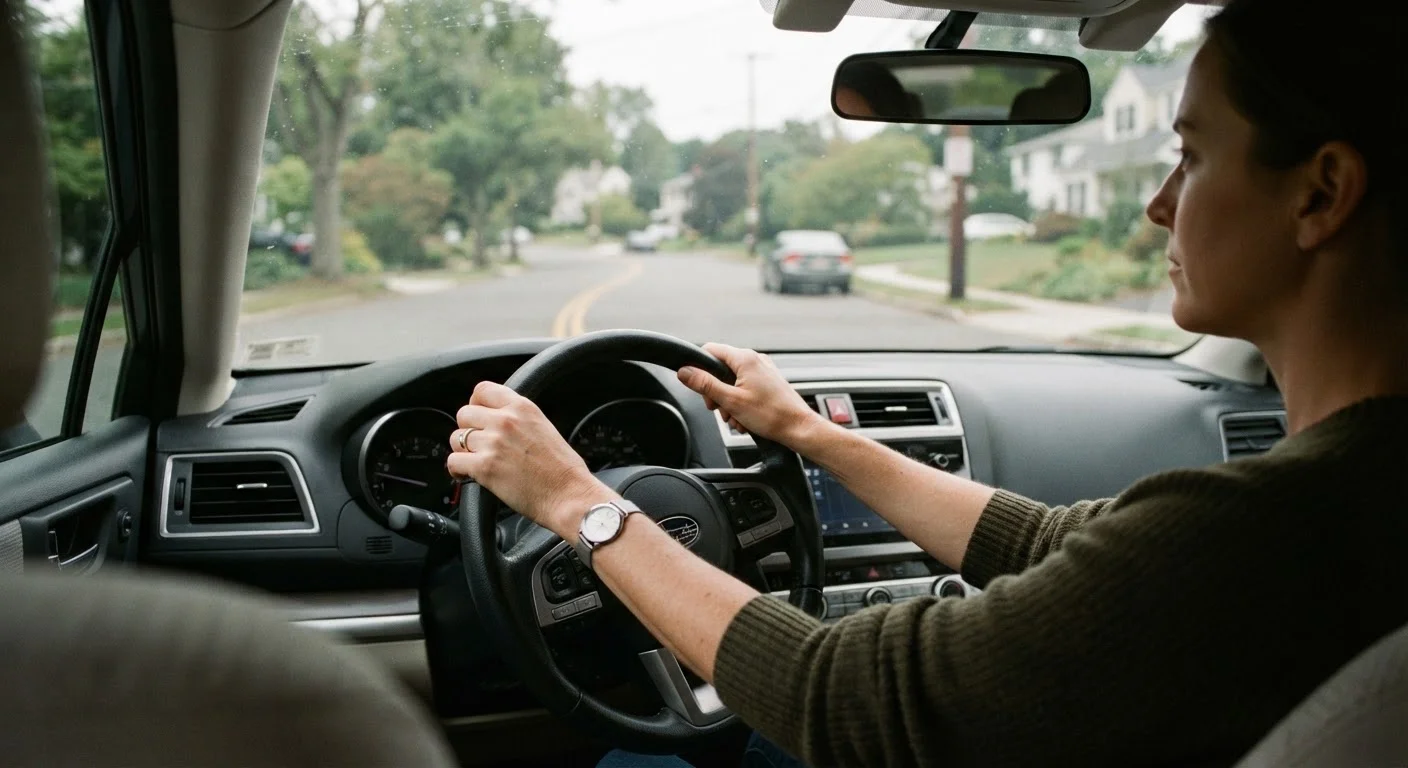
Photo: DockedReads.com | Information Made Easy editorial
Key Takeaways
- Experienced drivers are particularly vulnerable to overconfidence, which degrades attention and increases risk.
- Distraction creeps in gradually — phones are just one source among many cognitive hazards.
- Following too closely is one of the most common and preventable contributors to rear-end collisions.
- Neglecting routine vehicle maintenance silently reduces the margin of safety available in emergencies.
- Most unsafe habits develop slowly and feel normal long before they cause a problem.
How Safe Habits Erode Without Warning
Most drivers don't suddenly become less safe — it happens in increments. A habit that seems harmless after one drive becomes routine after a hundred. By the time it creates a problem, it no longer feels like a deviation at all.
This gradual erosion is particularly common among experienced drivers. Confidence built through years of uneventful driving can subtly shift into complacency — the belief that familiarity with roads or vehicles reduces personal risk. In practice, it often reduces vigilance instead. If you're interested in how this same pattern affects other areas of life, the dynamic mirrors what's described in patterns that quietly undermine emotional resilience.
Understanding which habits degrade over time — and why — is the first step toward correcting them before they contribute to an incident.
Familiarity Is Not the Same as Safety
The Most Common Habits That Quietly Reduce Your Safety Margin
The mistakes below don't announce themselves. They develop through repetition, rationalization, and the absence of immediate consequences. Recognizing them in your own driving is more useful than assuming they apply to others.
Driving on autopilot on familiar routes.
Allowing following distance to shrink over time.
Treating phone use as manageable with brief glances.
Deferring or skipping routine vehicle maintenance.
Underestimating speed's effect on stopping distance.
Overriding fatigue with caffeine or willpower alone.
For a broader look at how distraction operates beyond phone use, see distracted driving beyond the phone on the dashboard. And if following distance is an area where your habits have slipped, the two-second rule and other following-distance fundamentals covers the mechanics in detail.
Rebuilding Safer Habits Deliberately
Correcting ingrained habits requires more than awareness — it requires structured practice. Building safe road habits from the start outlines the foundational skills that new drivers are encouraged to practice. Experienced drivers benefit from revisiting that same framework, not because their experience is irrelevant, but because it's worth verifying which good habits have remained intact.
Defensive driving — anticipating hazards rather than merely reacting to them — is a practical framework for restoring active attention. Equally, understanding the physics behind stopping distances can sharpen everyday speed decisions: speed limits, stopping distances, and the physics most drivers ignore explores why the relationship between speed and braking is less intuitive than most drivers assume.
Vehicle condition matters too. A well-maintained car provides the maximum safety margin the situation allows — an overdue brake service or worn tires removes that margin before the emergency even begins. The car maintenance guidance on this site covers what to prioritize and when.
~94%
Crashes involving human choice or error
The National Highway Traffic Safety Administration has attributed approximately 94% of serious crashes to a critical reason involving human behavior rather than vehicle or environment factors alone.
4–5 sec
Cognitive distraction after phone interaction
Research from the AAA Foundation for Traffic Safety found that mental distraction can persist for up to five seconds after a driver looks away from a device and returns eyes to the road.
4x
Stopping distance increase from 30 to 60 mph
Because braking distance scales with the square of speed, doubling your speed from 30 mph to 60 mph roughly quadruples the distance required to stop under equivalent conditions.
Driving environments also demand different habits: motorway vs. urban road habits and night driving risks are two areas where complacency is especially consequential. Reviewing both periodically — not just when a close call occurs — is how safe driving stays safe over time.
The content on this site is for informational purposes only and is not a substitute for professional advice. Always consult a qualified professional for guidance specific to your situation.