
What Defensive Driving Actually Means — and Why It Matters

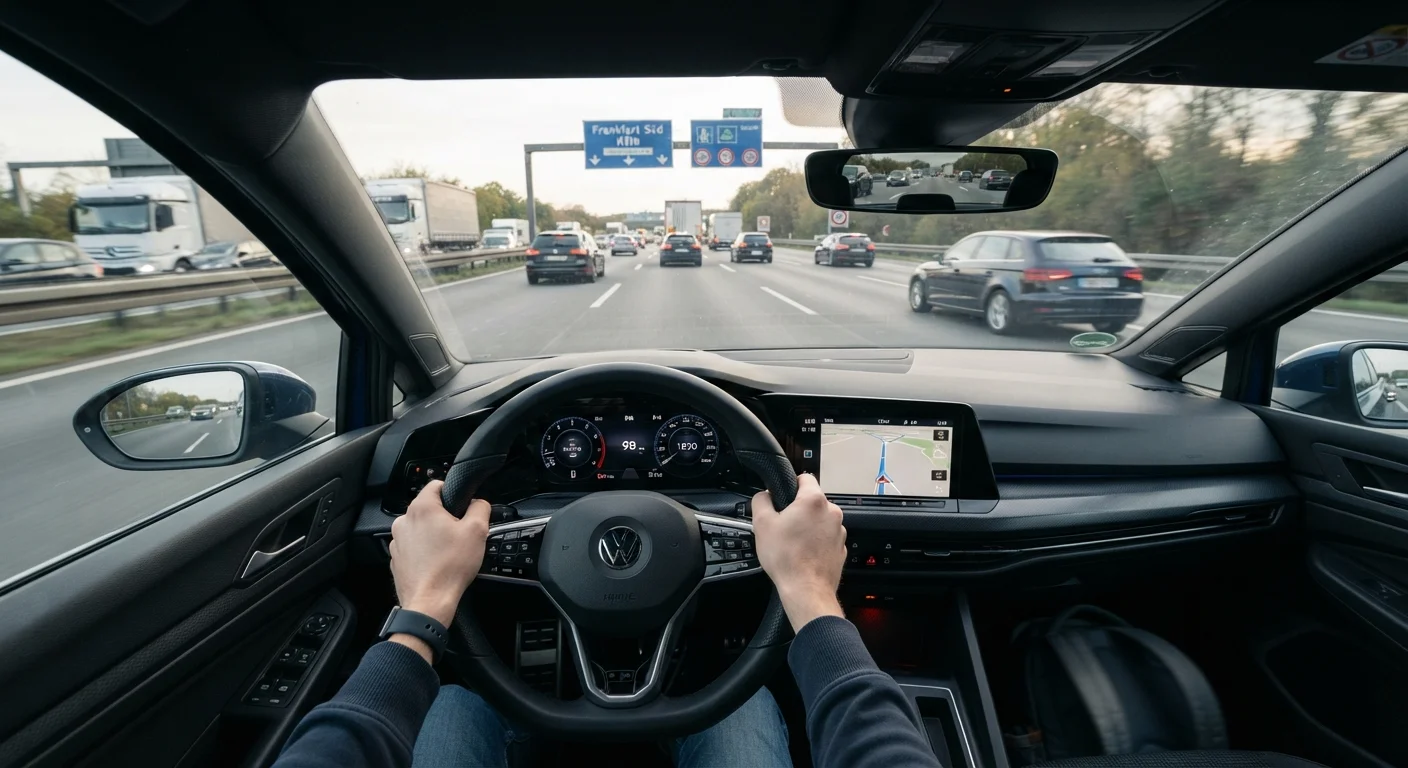
Photo: DockedReads.com | Information Made Easy editorial
Key Takeaways
- Defensive driving means anticipating hazards, not just reacting to them after they appear.
- Maintaining adequate following distance is one of the simplest and most effective safety habits.
- Scanning ahead — not just the car in front — gives drivers more time to respond.
- Adjusting your driving to road, weather, and traffic conditions is central to defensive technique.
- Defensive driving reduces both crash risk and the severity of unavoidable incidents.
More Than Obeying Traffic Laws
Most drivers consider themselves law-abiding — they stop at red lights, keep to posted speed limits, and use turn signals. But obeying traffic laws is only the baseline. Defensive driving is the layer of active, anticipatory thinking that sits on top of compliance, and it's what separates drivers who avoid crashes from those who merely survive them.
At its core, defensive driving means treating every drive as an exercise in risk management. You're not just reacting to what's happening around you — you're constantly reading developing situations and positioning yourself to have options. That mental shift from passive to active is what makes the approach effective.
It's also worth noting what defensive driving is not. It isn't timid, overly cautious, or slow driving. A defensive driver is a confident driver — one who understands the environment well enough to make smooth, deliberate decisions rather than last-second reactions. For a look at how common habits quietly erode safety over time, the contrast with defensive principles becomes especially clear.
The Core Principles Explained
Defensive driving is built around a handful of interconnected principles that work together. Understanding each one helps you apply them naturally rather than mechanically.
Space Management
The most critical defensive skill is maintaining adequate space around your vehicle. Following distance — commonly measured using the three-second rule — gives you time to react before a hazard becomes a collision. In poor weather, heavy traffic, or at higher speeds, that gap should grow. Speed and stopping distance are closely linked: braking distance increases with the square of your speed, which is why even modest speed reductions meaningfully extend your margin for error.
Scanning Ahead
Defensive drivers look far ahead — not just at the bumper in front of them. Scanning 10 to 15 seconds of road ahead allows you to spot slowing traffic, merging vehicles, pedestrians stepping off curbs, or debris with enough time to respond smoothly rather than abruptly.
Anticipating Other Drivers
Assume that other drivers may do something unexpected. The car in the adjacent lane might merge without signaling. The driver at the intersection might misjudge your speed. Defensive driving involves watching for behavioral cues — hesitation, positioning, distracted movement — and creating room to respond before those cues become conflicts.
Adapting to Conditions
Speed limits reflect ideal conditions. Rain, fog, road construction, heavy traffic, or unfamiliar roads all require additional adjustments. A defensive driver treats posted limits as a ceiling, not a target, when conditions demand more caution. This principle applies differently depending on where you're driving — the skills needed on a fast-moving highway differ substantially from those required in dense urban traffic. Our guide on adapting your habits to motorways versus urban roads covers these distinctions in depth.
“The goal of defensive driving is not to be fearful of other drivers, but to be prepared for the full range of things they might do. Anticipation — not anxiety — is the operative skill.”
— National Safety Council, U.S. nonprofit organization focused on eliminating preventable deaths
Why These Habits Build Real Confidence
Defensive driving isn't just about avoiding crashes — it actively makes driving feel less stressful. When you're scanning ahead and managing space, you're rarely caught off guard. That predictability reduces the micro-stresses that accumulate during demanding drives and helps you stay calm when traffic conditions deteriorate.
For newer drivers especially, building these habits early pays long-term dividends. The foundational mindsets covered in resources for new drivers building safe road habits align closely with defensive principles — because the two are inseparable from the start.
Practice the Three-Second Rule Every Drive
Ultimately, defensive driving reflects a simple insight: you can't control what other drivers do, but you can control your position, your attention, and your readiness. That's where genuine road safety lives.
Frequently Asked Questions
The content on this site is for informational purposes only and is not a substitute for professional advice. Always consult a qualified professional for guidance specific to your situation.