
Motorway Driving vs. Urban Roads: Adapting Your Habits to Each Environment

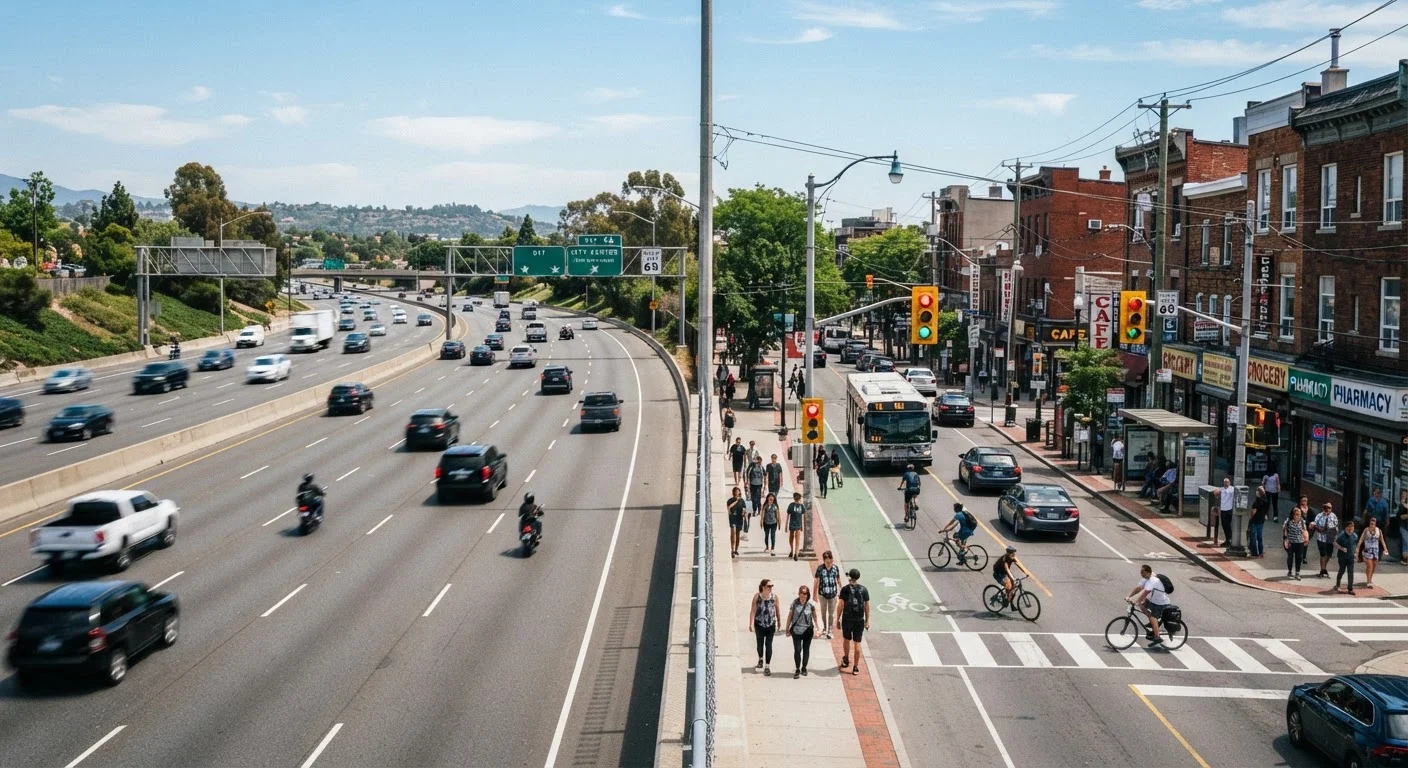
Photo: DockedReads.com | Information Made Easy editorial
Key Takeaways
- Motorway driving requires managing following distance, fatigue, and lane discipline over long, sustained periods.
- Urban driving demands constant hazard scanning at low speeds across complex, mixed-traffic environments.
- Switching between both environments in a single journey is a genuine cognitive shift — preparation helps.
- Speed-related stopping distances increase dramatically on motorways compared to city roads.
- Complacency is the most common risk on motorways; distraction is the most common risk in urban areas.
- Adjusting mirrors, checking tyre pressure, and planning your route all reduce risk in both environments.
What Makes Each Environment Distinctly Different
At first glance, driving is driving. But motorways and urban roads place fundamentally different cognitive and physical demands on the person behind the wheel. Recognising those differences is the first step toward adapting your habits safely.
Motorways are engineered for speed and flow. Entry and exit points are controlled, junctions are grade-separated, and oncoming traffic is physically separated from your lane. The environment is relatively predictable — but that predictability is itself a hazard. At 70 mph, a moment's inattention covers over 100 feet of road before you can react. Fatigue accumulates faster than most drivers expect, and high speeds leave almost no margin for error. The two-second following-distance rule becomes a four-second rule in wet conditions on motorways — many drivers don't adjust accordingly.
Urban roads, by contrast, are dense and chaotic by design. Pedestrians cross mid-block, cyclists filter between lanes, parked vehicles reduce usable road width, and junctions appear every few hundred feet. Speeds are lower, but the volume of decisions per mile is dramatically higher. Missing a cyclist in a blind spot or misjudging a pedestrian's intention at a crosswalk can have serious consequences. The challenge here isn't managing fatigue — it's avoiding the tunnel vision that comes from focusing on only one hazard at a time.
| Criterion | Motorway Driving | Urban Road Driving |
|---|---|---|
| Typical speed range | 55–75 mph | 15–35 mph |
| Primary hazard type | Fatigue, tailgating, lane drift | Pedestrians, cyclists, junctions |
| Decisions per mile | Low — relatively predictable | High — constantly changing |
| Following distance needed | 4+ seconds at speed | 2 seconds; less in queues |
| Key cognitive demand | Sustained attention; alertness | Rapid hazard scanning |
| Traffic mix | Vehicles only; no pedestrians | Mixed: vehicles, cyclists, walkers |
| Junction frequency | Rare — grade separated | Frequent — every few hundred feet |
| Dominant risk factor | Complacency and speed | Distraction and assumption |
Motorway Habits That Keep You Safe at Speed
Effective motorway driving is less about reflexes and more about systems — consistent behaviours that reduce risk before problems develop.
Following Distance
At highway speeds, stopping distances are far longer than most drivers intuitively feel. A vehicle travelling at 70 mph requires approximately 315 feet to stop under normal conditions — roughly the length of a football field. Maintain a minimum two-second gap in dry conditions and double it in rain or poor visibility. For a deeper look at how to calculate and maintain safe gaps, see our guide on following-distance fundamentals.
Lane Discipline
Middle-lane hogging is a recognised motorway hazard. Keep left unless overtaking, signal clearly before changing lanes, and check both mirrors plus a shoulder glance before any manoeuvre. Merging onto motorways is a skill in itself — our breakdown of how lane changes actually work covers the mechanics in detail.
Fatigue Management
Long motorway runs create monotony that accelerates mental fatigue. Plan a break of at least 15 minutes every two hours, recognise early warning signs (drifting in-lane, blinking more frequently, missing exits), and avoid starting extended motorway journeys when you're already tired. Night journeys compound this risk — see night driving risks for what changes after dark.
315 ft
Stopping distance at 70 mph
The U.S. Federal Highway Administration notes that total stopping distance at 70 mph — perception, reaction, and braking — exceeds 300 feet under normal dry conditions.
~40%
Motorway fatalities involving speed
According to the National Highway Traffic Safety Administration (NHTSA), speeding is a factor in roughly 40% of all fatal crashes on U.S. roads, with limited-access highways carrying a disproportionate share.
2 hrs
Recommended break interval on long drives
Safety agencies including the NHTSA recommend taking a break of at least 15 minutes for every two hours of continuous driving to counter fatigue.
Urban Driving Habits That Reduce Everyday Risk
City driving is a continuous hazard-perception exercise. The skills that matter most are scanning broadly, anticipating the unpredictable, and keeping your speed genuinely appropriate — not just legal.
Scanning and Anticipation
Effective urban drivers look 10–15 seconds ahead, not just at the vehicle in front. This means checking pavement edges for pedestrians about to step out, watching parked cars for opening doors, and reading cyclist body language at junctions. Right-of-way at junctions is a genuine source of confusion — reviewing the rules for intersections and roundabouts reduces hesitation and conflict.
Speed Within the Limit
Posted limits are maximums, not targets. On a narrow urban street with parked cars and school-age pedestrians, 30 mph may be unsafe even if it's legal. Adjust speed to match actual conditions, not just the sign.
Attention Management
Distraction is the dominant urban risk. Navigation apps, in-vehicle screens, and mobile notifications fragment attention exactly when it's most needed. Set your route before moving and treat any interaction with a device as requiring a complete stop. For a broader look at how routine habits erode safety over time, see the habits that quietly make drivers less safe.
Transitioning Between Environments Safely
Many drivers encounter both road types in a single journey — a motorway commute that ends in a city centre, or a rural drive that feeds onto an urban arterial. The transition point is where habits can break down.
After extended motorway driving, speed perception resets. Exiting at 70 mph and entering a 30-mph zone, 30 can feel almost stationary. Check your speedometer actively rather than relying on feel for the first few minutes after an exit.
In the opposite direction — moving from stop-start city driving onto a motorway on-ramp — ensure you're matching traffic speed before merging. Entering the motorway too slowly is as hazardous as entering too fast.
Before any long or unfamiliar trip, it's also worth verifying your vehicle's basic readiness. Tyre pressure, fluid levels, and light function matter more when you're spending extended time at motorway speeds. Our car maintenance hub covers the routine checks that keep your vehicle road-ready.
Weather further complicates any transition. Rain, fog, or ice demand recalibrating your habits for both environments — severe weather driving adjustments offers practical guidance on what genuinely changes vehicle behaviour in those conditions.
This article is for general informational purposes and does not constitute professional driving instruction or legal advice. Always follow the road rules applicable in your jurisdiction.
The content on this site is for informational purposes only and is not a substitute for professional advice. Always consult a qualified professional for guidance specific to your situation.