
Driving in Fog, Ice, and High Winds: Adapting to Severe Weather Conditions

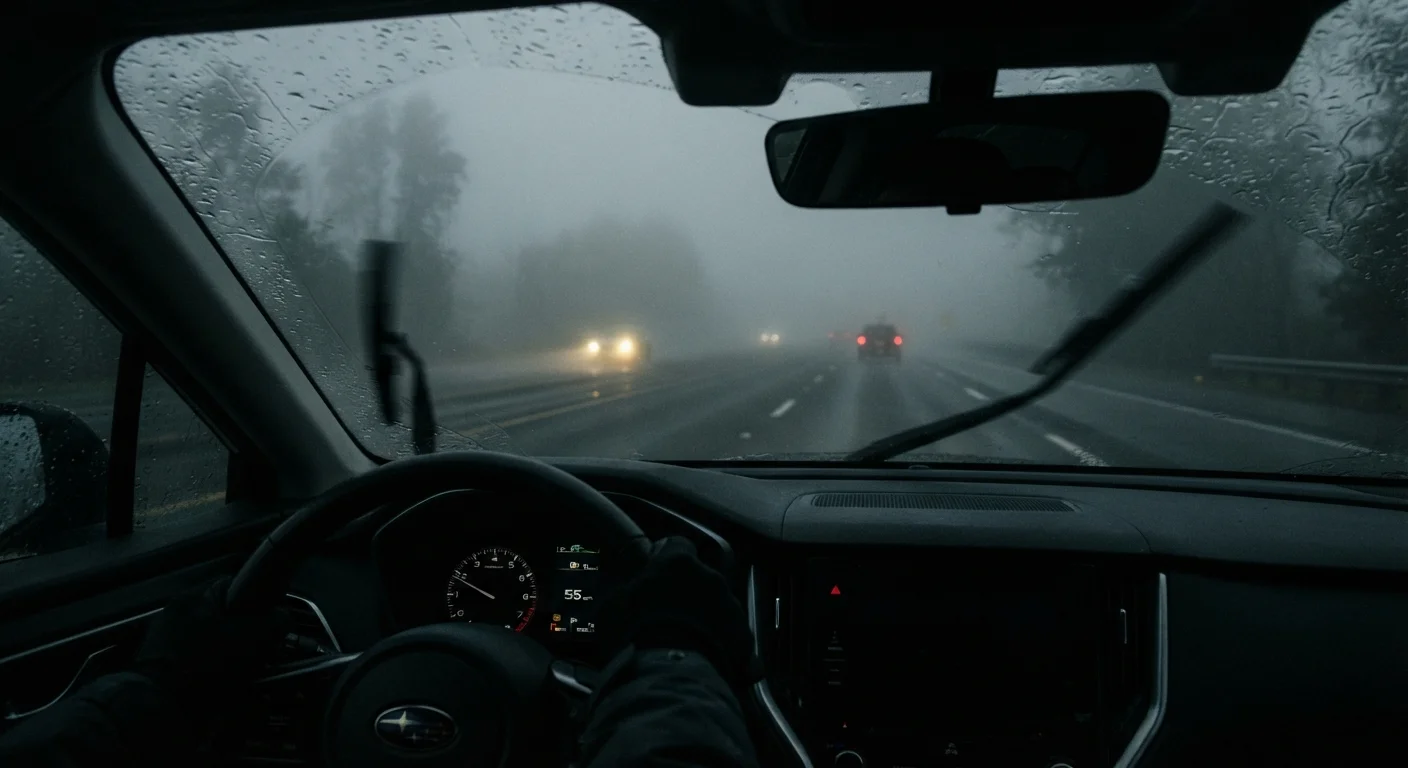
Photo: DockedReads.com | Information Made Easy editorial
Key Takeaways
- Fog, black ice, and high crosswinds each affect vehicle control in distinct ways that require different responses.
- Reducing speed well before a hazard — not during it — is the most effective single adjustment in severe weather.
- Black ice often forms where drivers least expect it: bridges, shaded stretches, and overpasses.
- High-sided vehicles and open stretches of highway are particularly vulnerable to sudden crosswind gusts.
- Fog lights serve a specific purpose and should not be left on in clear conditions.
- Pre-trip vehicle checks — especially tyres, lights, and wipers — are essential before severe weather driving.
Why Severe Weather Demands More Than Just Slowing Down
Most drivers understand, in principle, that bad weather calls for caution. In practice, the adjustments that actually help are more specific — and more counterintuitive — than simply lifting off the accelerator. Fog, black ice, and high winds each alter vehicle dynamics in different ways, meaning a single blanket approach is insufficient.
Fog reduces the information available to your brain: without peripheral cues and depth perception from distant objects, speed feels lower than it is. Studies in driver perception consistently show that drivers underestimate their speed in low-visibility environments — which is precisely why crashes in dense fog often involve excessive speed relative to the conditions.
Black ice removes traction almost entirely. Unlike snow, which provides some texture for tyres to grip, black ice offers a near-frictionless surface. The vehicle may feel normal until the tyres engage the ice and control disappears. Understanding how road surface conditions affect tyre grip provides useful context for appreciating just how quickly this transition occurs.
High crosswinds impose lateral forces that drivers rarely train for. At highway speeds, a strong gust can shift a vehicle's lane position by a foot or more in less than a second. The instinctive response — jerking the wheel — often makes the situation worse. Smooth, anticipatory steering is the correct approach.
When to Avoid Driving Entirely
What to Do and How to Do It
The steps below address each phase: preparation, active driving adjustments, and hazard-specific responses. Vehicle condition matters as much as driving technique — a properly maintained vehicle heading into winter gives you a meaningful margin of safety that worn tyres and failing wipers cannot provide.
What you will need
Front and Rear Fog Lights
Improve your visibility to other drivers in dense fog; rear fogs are especially critical in low-visibility conditions.
Winter or All-Season Tyres
Provide meaningfully better grip on ice and compacted snow compared with standard summer tyres.
Ice Scraper and De-icer Spray
Clear all windows and mirrors before departure so visibility is unobstructed from the outset.
Emergency Kit (torch, blanket, phone charger)
Essential if a breakdown or slide-off occurs in a remote or wintry location.
Assess conditions before you leave
Check weather and road condition reports from your state's department of transportation or equivalent authority before starting any journey during a forecast weather event. Understand whether conditions are static or deteriorating — a journey that begins in light fog may end in near-zero visibility. If advisories indicate dangerous conditions, seriously consider postponing.
Clear the vehicle completely
Remove all snow, ice, and condensation from every window, all mirrors, and the roof before moving. Snow left on the roof can slide forward onto the windshield when you brake, or fly off onto vehicles behind you — a hazard that is also a traffic offense in several states. Run the defroster until every surface is fully clear, not just a small patch in the driver's eyeline.
Adjust speed to actual visibility and grip — not just the posted limit
Speed limits reflect ideal conditions. In fog, ice, or high winds, your safe speed may be significantly lower. A useful rule in fog: you should be able to stop within the distance you can see clearly. On ice, braking distances can increase by up to ten times compared with dry pavement. Refer to how speed and stopping distance interact for a grounding in the physics involved.
Use lights correctly for the specific condition
In fog, switch on low-beam headlights and rear fog lights. High beams reflect off fog particles and reduce your forward visibility — keep them off. Front fog lights, where fitted, can help illuminate road edges. Once visibility improves, turn rear fogs off: they are bright enough to dazzle following drivers in clear conditions. On ice or in high winds with no fog present, standard headlights are sufficient; focus on vehicle control rather than lighting changes.
Increase following distance significantly
The standard two-second following rule applies on dry roads. In rain, double it. On ice or in dense fog, allow at least eight to ten seconds of gap. This extended buffer gives you time to react to sudden stops and ensures you do not rear-end a stationary vehicle hidden by fog. On the highway in poor visibility, stagger your position to avoid sitting directly behind a single vehicle you cannot see around. For more on maintaining awareness at highway speeds, see motorway versus urban driving habits.
Recognise where black ice forms and adjust approach
Black ice — a thin, nearly transparent glaze of frozen water — typically forms on bridges, overpasses, shaded road sections, and intersections where water pools. These spots can be icy when surrounding roads appear merely wet. Watch for a road surface that looks unusually glossy or dull in a uniform way. Reduce speed before reaching these zones, not on them. Avoid sudden steering inputs; keep wheel movements smooth and deliberate.
Manage crosswinds proactively, especially on exposed roads
High crosswinds affect all vehicles, but taller vehicles, SUVs, and those towing trailers are significantly more vulnerable. Anticipate gusts when passing through gaps in tree lines, entering open stretches, or driving over bridges. Maintain a firm but relaxed grip — tension makes overcorrection more likely. Reduce speed on exposed sections. If a gust pushes the vehicle, make small, smooth steering corrections. If conditions feel unsafe, find a sheltered rest area and wait.
Never Brake Hard on Black Ice
Prepare Your Vehicle Before Severe Weather Arrives
Driver fatigue compounds every weather-related risk significantly. Cold temperatures, reduced light, and the sustained concentration required in difficult conditions accelerate mental fatigue. If you feel drowsy, pull off the road — a rest stop is far safer than pressing on. For more on recognising fatigue before it impairs your judgement, see driver fatigue warning signs.
The content on this site is for informational purposes only and is not a substitute for professional advice. Always consult a qualified professional for guidance specific to your situation.