
Raised Beds vs. In-Ground Planting: Which Works Better for Your Garden?

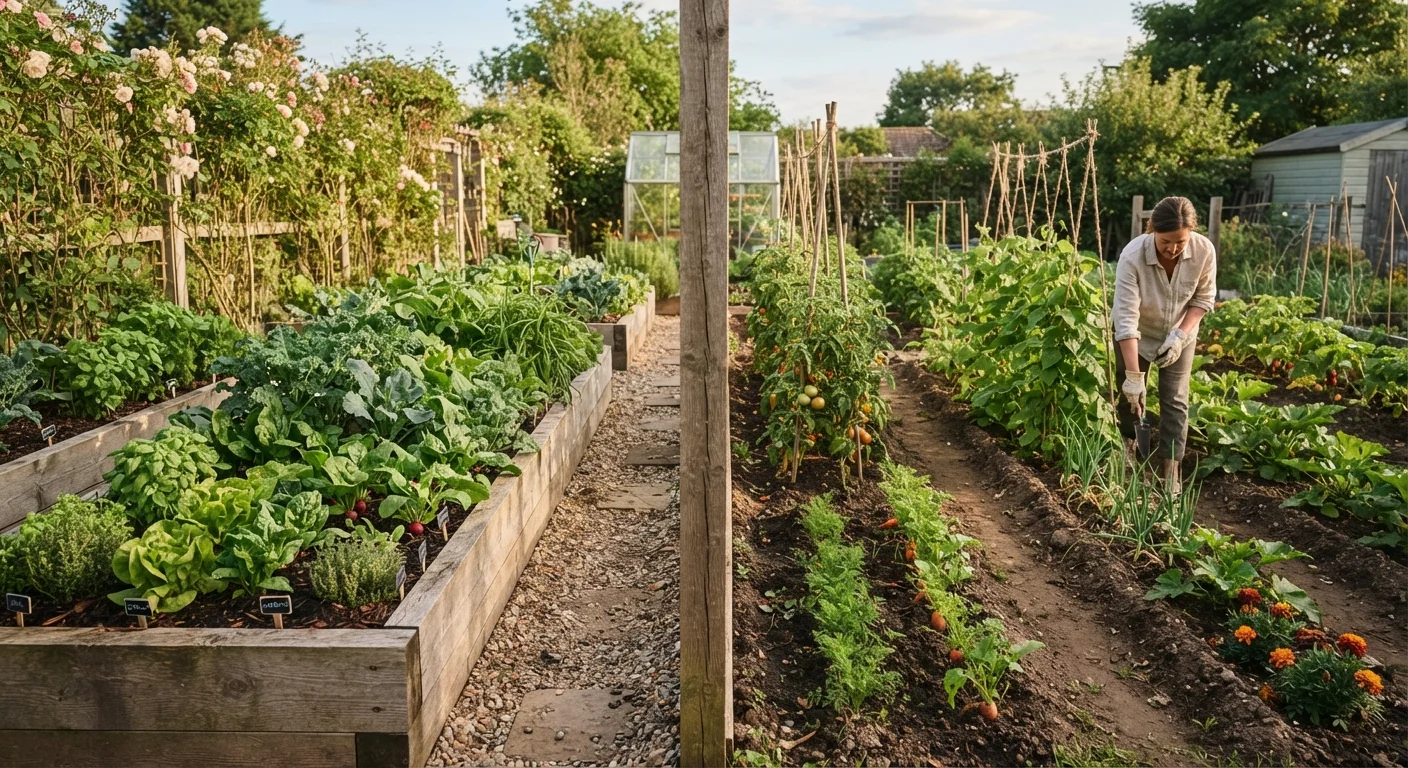
Photo: DockedReads.com | Information Made Easy editorial
Key Takeaways
- Raised beds offer better drainage and faster soil warming, which can extend the growing season.
- In-ground gardens cost less to establish and suit large plantings like trees, shrubs, and row crops.
- Poor or compacted native soil is the single strongest argument for building a raised bed.
- Raised beds require more frequent watering and soil replenishment over time.
- Both methods can produce excellent yields — the right choice depends on your soil, budget, and physical needs.
The Core Difference: Soil Control vs. Natural Integration
The fundamental distinction between these two approaches is how much control you exercise over your growing medium. A raised bed is a contained structure — typically wood, metal, or composite — filled with a custom soil blend you choose and manage. In-ground planting works with your existing native soil, amended as needed but ultimately shaped by what's already there.
That difference cascades into nearly every practical consideration: drainage, warmth, weed pressure, cost, and plant performance. Neither method is universally superior. Understanding your site conditions is the first step toward choosing wisely. If you're starting entirely from scratch, our beginner's guide to starting a vegetable garden walks through site assessment in detail.
| Criterion | Raised Bed | In-Ground |
|---|---|---|
| Setup cost | Higher (materials + fill soil) | Lower (amend existing soil) |
| Drainage | Excellent — drains freely | Variable — depends on native soil |
| Soil warming in spring | Faster — extends season | Slower — delays planting |
| Weed pressure | Lower initially | Higher — ongoing management needed |
| Watering frequency | More frequent — dries faster | Less frequent — retains moisture longer |
| Scalability | Limited by cost and space | Easily expanded at low cost |
| Accessibility | High — reduces bending | Low — requires kneeling or bending |
| Suitability for deep-rooted plants | Limited by bed depth | Excellent — unlimited depth |
Drainage, Soil Quality, and Root Health
Raised beds drain more freely than compacted ground, which is a real advantage in wet climates or heavy clay soils. Waterlogged roots are a leading cause of vegetable failure, and elevated beds sidestep that risk by design. The looser fill also allows roots to penetrate easily, which typically translates to stronger early growth.
In-ground beds, however, benefit from the full biological ecosystem present in undisturbed native soil — earthworms, fungal networks, and beneficial microbes that take years to establish in a new raised bed. Over time, a well-tended in-ground garden can develop exceptional soil structure. The soil pH guide is worth consulting regardless of which method you choose, since both approaches require monitoring and adjusting pH for specific crops.
6–8 in.
Minimum raised bed depth for most vegetables
Most cooperative extension services recommend at least 6 inches of quality fill for adequate root development in raised beds.
2–4 weeks
Earlier planting possible with raised beds
Raised beds can warm faster in spring than surrounding ground, potentially allowing earlier planting in cooler US climate zones.
50%+
Less bending required at 18-inch bed height
Taller raised beds are widely recommended by occupational therapists and horticulture programs for gardeners with mobility limitations.
Cost, Setup, and Long-Term Maintenance
Setup cost is where in-ground planting holds a clear advantage. Digging and amending an existing bed costs little beyond labor and some compost. A raised bed, by contrast, requires frame materials and enough quality soil mix to fill the structure — expenses that add up quickly, especially for larger or deeper beds.
Ongoing maintenance shifts the calculation somewhat. Raised beds tend to need more frequent watering because they dry out faster, and the soil volume needs replenishing with compost each season as organic matter breaks down. In-ground gardens require more weeding effort, since weed seeds travel freely through surrounding ground. Mulching is one of the most effective strategies for suppressing weeds and retaining moisture in either system.
Soil Amendments Work in Both Systems
What Grows Best Where
Most annual vegetables — tomatoes, lettuce, carrots, beans, peppers — perform well in either setting when soil conditions are adequate. However, some plants have clear preferences. Deep-rooted crops like parsnips and winter squash benefit from the unobstructed depth of in-ground beds. Shallow-rooted salad greens and herbs thrive in raised beds, where soil stays loose and drainage is reliable.
Large perennials, fruit trees, and shrubs almost always belong in the ground. Their root systems need to spread and deepen over years in a way no raised bed can support. For guidance on mixing plant types within either system, see our article on planning a garden with perennials and annuals. And if space is genuinely tight, container gardening is a third option worth exploring alongside these two.
The content on this site is for informational purposes only and is not a substitute for professional advice. Always consult a qualified professional for guidance specific to your situation.