
Mulching: The Underappreciated Habit That Transforms Soil and Saves Water

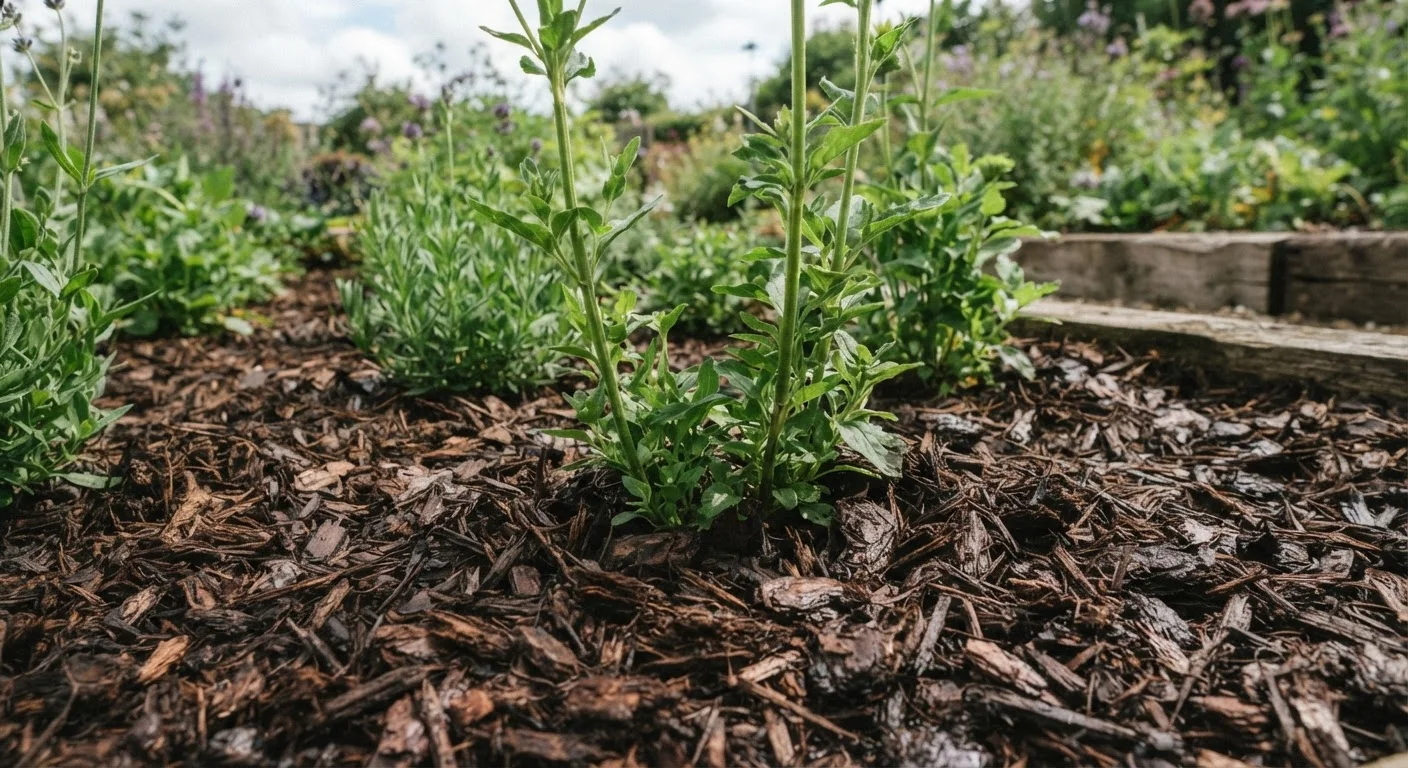
Photo: DockedReads.com | Information Made Easy editorial
Key Takeaways
- Mulch reduces soil moisture loss, often cutting watering frequency significantly.
- Organic mulches break down over time, gradually improving soil structure and fertility.
- Applied incorrectly, mulch can promote rot, pest harborage, or suppress beneficial plants.
- Material choice matters — wood chips, straw, and shredded leaves each suit different situations.
- A 2–3 inch layer is the practical sweet spot for most garden beds.
Significantly reduces soil moisture evaporation
A 2–3 inch mulch layer can reduce soil water loss by up to 25–50% compared to bare soil, cutting how often you need to water during dry spells.
Suppresses weed germination effectively
By blocking sunlight, mulch prevents most annual weed seeds from germinating. This passive suppression reduces hand-weeding labor throughout the growing season.
Moderates soil temperature extremes
Mulch insulates the root zone, keeping soil cooler in summer heat and buffering against early frosts in fall — conditions that stress shallow-rooted plants.
Improves soil structure over time
As organic mulches break down, they add organic matter that improves drainage in clay soils and water retention in sandy soils, building a healthier growing medium year after year.
Feeds soil biology
Decomposing organic mulch fuels microbial activity and earthworm populations, which in turn improve nutrient cycling and soil aeration.
Reduces soil compaction and erosion
Mulch cushions the impact of rain and irrigation, preventing the surface crust that forms on bare soil and slowing runoff on sloped beds.
Can promote crown rot if placed too close to stems
Mulch piled against plant stems or tree trunks traps moisture and restricts airflow, creating conditions that encourage fungal rot and pest harborage. Maintaining a clear gap is essential.
Fresh wood chips may temporarily tie up nitrogen
As high-carbon wood chip mulch decomposes, soil microbes consume available nitrogen during the process. This can briefly reduce nitrogen availability to plants in beds where the mulch is mixed into the top soil layer rather than left on the surface.
Can harbor slugs, voles, and other pests
Dense or overly thick mulch layers create shelter for ground-dwelling pests. Gardeners already dealing with slug or vole pressure should apply thinner layers and monitor regularly.
Some materials mat and repel water
Fine-textured organic mulches like peat moss or uncomposted sawdust can form a hydrophobic crust when dry, causing water to run off the surface rather than penetrate to roots.
Inorganic mulch provides no soil benefit
Gravel, rubber chips, and landscape fabric suppress weeds and retain heat but add nothing to soil health. Over time, landscape fabric in particular can degrade and become difficult to remove.
Requires periodic replenishment
Organic mulches break down, which is ultimately beneficial, but it does mean topping up the layer each season — typically once or twice a year depending on material and climate.
What Mulching Actually Does
Mulch is any material — organic or inorganic — spread over the soil surface around plants. The goal is to act as a buffer between bare soil and the environment, moderating temperature swings, slowing evaporation, and physically blocking weed seeds from reaching light. When organic mulches decompose, they also feed soil microbes and gradually improve the structure of the soil beneath.
Common organic options include wood chips, shredded bark, straw, shredded leaves, and compost. Inorganic options like gravel, landscape fabric, or rubber chips are also used, though they do not improve soil biology. The right choice depends on your beds, plants, and goals. Whether you garden in raised beds or traditional rows — see our comparison of raised beds vs. in-ground planting for context — mulch is applicable and beneficial across setups.
25–50%
Reduction in soil moisture evaporation
Cooperative Extension research consistently shows that a 2–3 inch mulch layer can reduce evaporative water loss from soil by roughly this range compared to unmulched beds.
2–3 inches
Recommended mulch application depth
This depth range is the standard guidance from most university extension horticulture programs for balancing weed suppression, moisture retention, and airflow.
70%+
Annual weeds blocked by adequate mulch
Research from land-grant university extension trials suggests sufficient organic mulch depth prevents germination of the majority of common annual weed species.
The Advantages of Mulching
The practical case for mulching is strong. A properly applied layer of organic mulch addresses several of the most common garden frustrations simultaneously — and does so passively, without any ongoing input once it's down.
Significantly reduces soil moisture evaporation
A 2–3 inch mulch layer can reduce soil water loss by up to 25–50% compared to bare soil, cutting how often you need to water during dry spells.
Suppresses weed germination effectively
By blocking sunlight, mulch prevents most annual weed seeds from germinating. This passive suppression reduces hand-weeding labor throughout the growing season.
Moderates soil temperature extremes
Mulch insulates the root zone, keeping soil cooler in summer heat and buffering against early frosts in fall — conditions that stress shallow-rooted plants.
Improves soil structure over time
As organic mulches break down, they add organic matter that improves drainage in clay soils and water retention in sandy soils, building a healthier growing medium year after year.
Feeds soil biology
Decomposing organic mulch fuels microbial activity and earthworm populations, which in turn improve nutrient cycling and soil aeration.
Reduces soil compaction and erosion
Mulch cushions the impact of rain and irrigation, preventing the surface crust that forms on bare soil and slowing runoff on sloped beds.
For gardeners trying to water more efficiently, mulch pairs well with smarter irrigation habits. Our guide on common garden watering myths explores how surface moisture management affects plant health at a deeper level.
The Disadvantages Worth Knowing
Mulch isn't without complications. Most problems arise from improper application — too thick, too close to plant stems, or using the wrong material in the wrong context. Understanding these pitfalls before you mulch helps you avoid them.
Can promote crown rot if placed too close to stems
Mulch piled against plant stems or tree trunks traps moisture and restricts airflow, creating conditions that encourage fungal rot and pest harborage. Maintaining a clear gap is essential.
Fresh wood chips may temporarily tie up nitrogen
As high-carbon wood chip mulch decomposes, soil microbes consume available nitrogen during the process. This can briefly reduce nitrogen availability to plants in beds where the mulch is mixed into the top soil layer rather than left on the surface.
Can harbor slugs, voles, and other pests
Dense or overly thick mulch layers create shelter for ground-dwelling pests. Gardeners already dealing with slug or vole pressure should apply thinner layers and monitor regularly.
Some materials mat and repel water
Fine-textured organic mulches like peat moss or uncomposted sawdust can form a hydrophobic crust when dry, causing water to run off the surface rather than penetrate to roots.
Inorganic mulch provides no soil benefit
Gravel, rubber chips, and landscape fabric suppress weeds and retain heat but add nothing to soil health. Over time, landscape fabric in particular can degrade and become difficult to remove.
Requires periodic replenishment
Organic mulches break down, which is ultimately beneficial, but it does mean topping up the layer each season — typically once or twice a year depending on material and climate.
Avoid the 'Mulch Volcano' Mistake
Soil pH is one area where mulch material genuinely matters. Pine needle or fresh wood chip mulch can influence soil acidity over time. Our soil pH explainer covers how to monitor and adjust if needed.
Choosing and Applying the Right Mulch
Matching material to situation is the key decision. Wood chips and shredded bark work well for ornamental beds and around trees and shrubs — they last one to two seasons before breaking down. Straw is a practical choice for vegetable beds; it's lightweight, easy to move aside at planting time, and decomposes without the nitrogen competition that fresh wood chips can cause. Shredded leaves — often called leaf mold once partially decomposed — are a free, excellent soil amendment that earthworms particularly favor. If you're already composting at home, layering finished compost beneath a thin mulch topdressing gives you both soil feeding and surface protection. See our composting at home guide for a primer on building your own supply.
Application depth is straightforward: aim for 2–3 inches for most beds. Less than 2 inches loses effectiveness quickly; more than 4 inches can prevent water penetration and create anaerobic conditions. Always leave a gap of at least 2–3 inches around plant stems and tree trunks to allow airflow and discourage rot. For seasonal timing, applying mulch in late spring — after soil has warmed — and refreshing it before winter are the two highest-value windows.
Container gardeners can also benefit; a thin mulch layer on top of potting mix slows moisture loss between waterings. Our container gardening guide covers this and other techniques for small-space growing.
The content on this site is for informational purposes only and is not a substitute for professional advice. Always consult a qualified professional for guidance specific to your situation.