
Container Gardening: Growing Herbs, Flowers, and Vegetables in Small Spaces

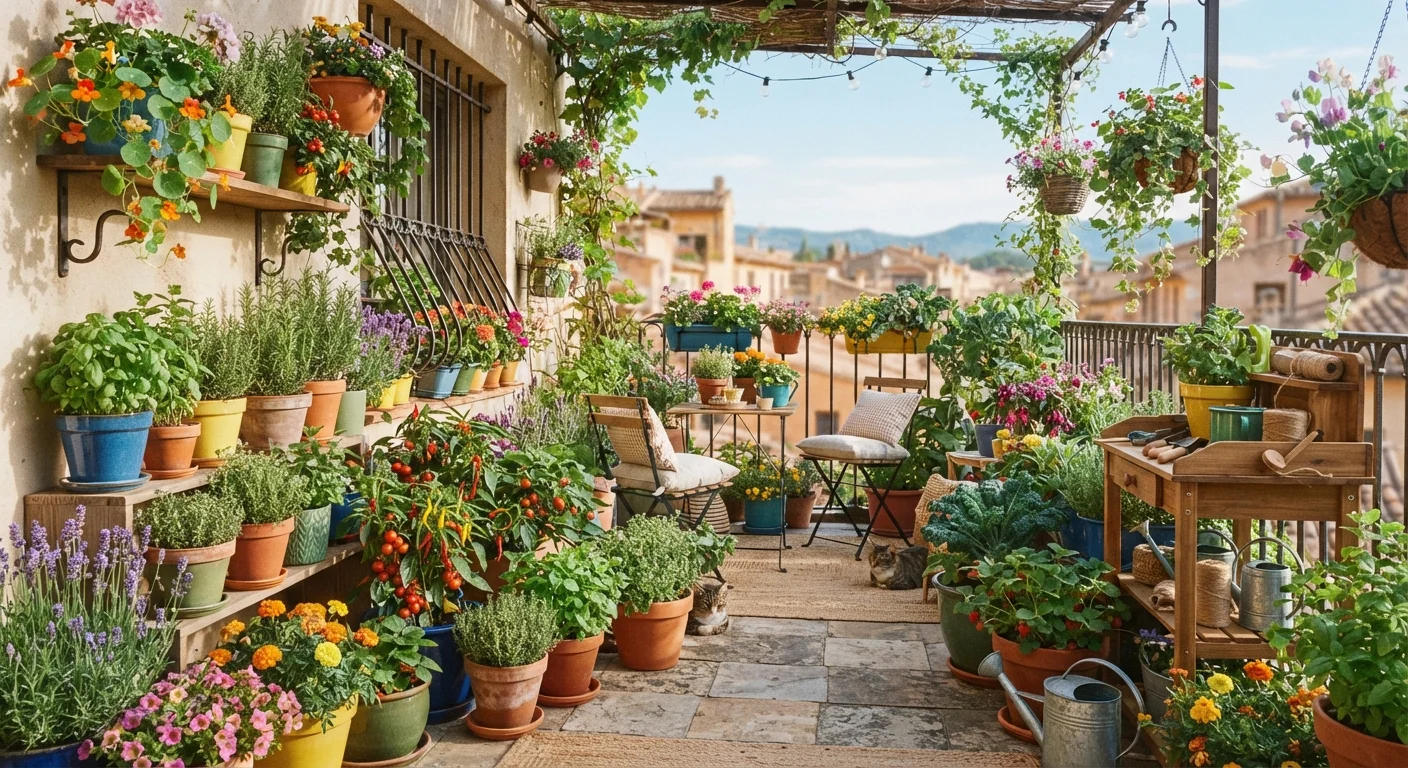
Photo: DockedReads.com | Information Made Easy editorial
Key Takeaways
- Drainage holes are non-negotiable — sitting water is the top cause of container plant failure.
- Use a high-quality potting mix, not garden soil, which compacts and suffocates roots.
- Container plants need more frequent watering and feeding than in-ground plants.
- Match container size to the plant's mature root depth for best results.
- Herbs, compact vegetables, and annuals are among the easiest and most rewarding container crops.
Why Container Gardening Works
Container gardening is one of the most accessible ways to grow plants regardless of how much outdoor space you have. A single sunny balcony, a concrete stoop, or even a bright windowsill can support a productive and attractive collection of containers. Unlike in-ground planting, containers let you control soil quality precisely, move plants to follow sunlight or escape frost, and experiment without permanently altering a landscape.
This flexibility makes containers a practical option for renters, urban gardeners, and anyone working with challenging soil conditions — think heavy clay or rocky ground. If you're weighing your options, our comparison of raised beds versus in-ground planting covers how each approach stacks up for drainage, cost, and plant performance.
1 in 3
U.S. households that garden in containers
According to the National Gardening Association, container gardening is among the most widely practiced forms of home gardening in the United States.
2x
Faster soil dry-out vs. in-ground beds
Container soil can dry out roughly twice as fast as in-ground beds during warm weather due to limited volume and heat absorption on all sides.
6–12 in.
Minimum depth for most vegetables
Most compact vegetable varieties need at least 6 to 12 inches of container depth to develop healthy root systems and produce reliable harvests.
Choosing the Right Container
Container choice affects plant health more than most gardeners expect. The key variables are material, size, and the presence of drainage holes.
- Material: Terracotta is porous, which promotes root aeration but dries out quickly in heat. Plastic and glazed ceramic retain moisture longer, useful in hot climates. Fabric grow bags offer excellent aeration and prevent root-circling.
- Size: Small pots stress plants fast. As a general rule, herbs need at least a 6-inch pot, standard tomatoes need 5-gallon containers or larger, and deep-rooted vegetables like carrots need 12 or more inches of depth.
- Drainage holes: Every container must have them. Without drainage, roots sit in waterlogged soil and rot. If you love the look of a decorative pot without holes, use it as a cachepot — a decorative sleeve around a functional inner pot.
The Cachepot Method for Decorative Pots
Soil Mix and Drainage Essentials
Never fill containers with soil dug from your garden. In-ground soil compacts under the weight of repeated watering, restricting the oxygen and drainage roots depend on. A quality potting mix is formulated to stay loose and well-aerated inside a confined container.
Look for mixes that include components such as perlite (lightweight volcanic glass that improves drainage), vermiculite (which holds moisture evenly), and compost (which provides slow-release nutrients). You can enrich a basic potting mix by blending in homemade compost — see our guide to composting at home for how to produce a reliable supply.
A layer of gravel at the container bottom was once recommended to improve drainage, but research has shown it can actually raise the perched water table inside the pot and slow drainage. Fill containers fully with potting mix instead, and rely on drainage holes to do the work.
Refresh the top inch of potting mix at the start of each growing season by removing old mix and replacing it with fresh compost-enriched potting soil. This simple step replenishes nutrients without needing to repot entirely.
When planting a mixed container, group plants with similar water and light needs together. Pairing a drought-tolerant herb with a moisture-loving vegetable in the same pot is a recipe for one of them to suffer.
Best Plants for Containers
Almost anything can be grown in a container with the right pot size and care, but some plants genuinely thrive in confined conditions.
Herbs
Basil, parsley, chives, mint, thyme, and rosemary all adapt well to container life. Keep mint in its own pot — it spreads aggressively and will crowd out neighbors if given the chance.
Flowers
Annuals like petunias, marigolds, zinnias, and nasturtiums deliver season-long color and are well suited to containers. For a longer-term planting strategy, our article on perennials vs. annuals helps you balance low-effort plants with consistent beauty.
Vegetables
Compact or dwarf varieties of tomatoes, peppers, lettuce, spinach, radishes, and bush beans perform well in containers. If you're newer to food gardening, starting a vegetable garden from scratch provides a solid foundation for first-time growers.
Watch for Mint Invasions
Watering and Feeding Container Plants
Container plants dry out significantly faster than in-ground plants because the soil volume is limited and exposed to heat on all sides. In warm weather, small pots may need watering daily; larger containers typically need water every two to three days. A reliable test: push a finger an inch into the soil — if it feels dry at that depth, water thoroughly until it drains from the holes.
Because frequent watering leaches nutrients from the potting mix, container plants also need regular feeding. A balanced, water-soluble fertilizer applied every two weeks during the growing season helps maintain steady growth. Slow-release granular fertilizers can be worked into the mix at planting time for a lower-maintenance alternative.
Overfertilizing Can Harm Plants
Common Mistakes and How to Avoid Them
Even experienced gardeners run into recurring problems with containers. Being aware of these pitfalls beforehand saves time and plants.
- Overcrowding
- Planting too many plants in one pot looks lush at first but leads to root competition, disease, and fast decline. Respect spacing recommendations on seed packets or plant tags.
- Underwatering in heat
- Containers on concrete or south-facing walls absorb radiated heat. Check moisture more often during heat waves, and consider grouping pots together to reduce evaporation.
- Ignoring weight limits
- Large containers filled with wet soil are heavy. On balconies or elevated decks, confirm the load capacity before positioning sizeable planters. Lightweight potting mixes reduce the risk.
- Skipping the right tools
- A hand trowel, watering can with a narrow spout, and a moisture meter make container maintenance much easier. Our overview of garden tools every beginner actually needs separates the genuinely useful from the unnecessary.
Seasonal Transitions for Container Plants
The content on this site is for informational purposes only and is not a substitute for professional advice. Always consult a qualified professional for guidance specific to your situation.