
Garden Watering Myths That Are Quietly Killing Your Plants

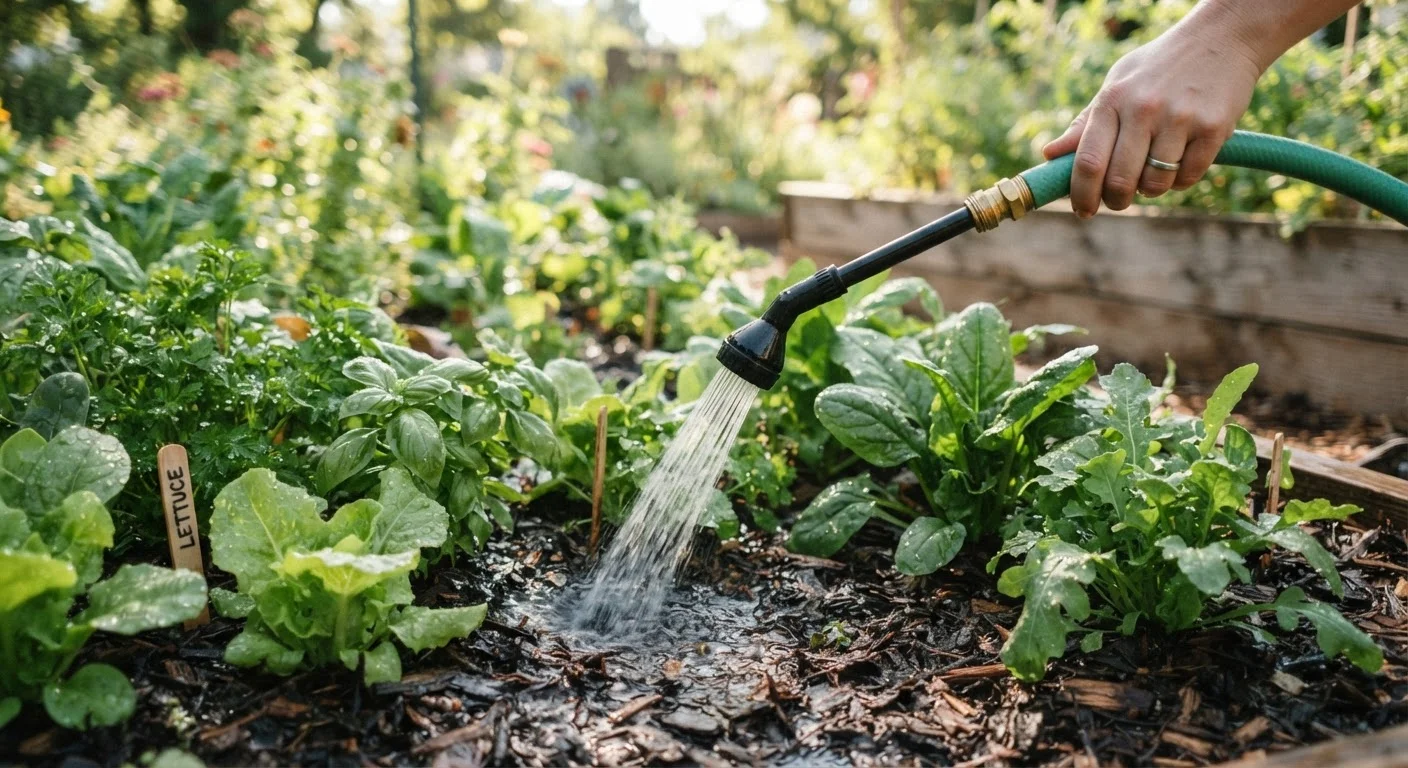
Photo: DockedReads.com | Information Made Easy editorial
Key Takeaways
- Daily watering is often too frequent and can suffocate plant roots by waterlogging soil.
- Watering in the morning is generally more effective than evening watering for disease prevention.
- Wilting does not always mean a plant needs more water — it can signal overwatering too.
- Drought-stressed plants recover better from deep, infrequent watering than frequent shallow doses.
- Mulching around plants significantly reduces how often watering is necessary.
Why Watering Myths Are So Persistent
Watering a garden seems straightforward — turn on the hose, wet the plants, walk away. But many of the habits homeowners follow religiously are based on half-truths passed down through neighborhoods and gardening forums rather than soil science. The result can be yellowing leaves, root rot, disease, and plants that quietly decline despite regular attention.
Separating fact from fiction on this topic is genuinely useful. Most watering mistakes don't show immediate damage — they accumulate over weeks, making it hard to trace the problem back to a routine that seemed perfectly reasonable. Understanding what plants actually need from water (and when) puts you back in control of a healthier garden.
For container growers, these principles are especially important since pots offer far less buffer against overwatering than open ground — see our guide to container gardening for watering specifics that apply to pots and planters.
Myth
Plants need to be watered every day to stay healthy.
Fact
Most garden plants — including lawns — do better with deep, infrequent watering rather than daily shallow sessions.
Daily watering keeps the top layer of soil perpetually moist but rarely drives water deep enough to reach the full root zone. Over time, roots cluster near the surface chasing that shallow moisture, making plants more vulnerable to heat and drought. Worse, constantly saturated soil restricts the oxygen roots need to function. Most established garden plants benefit from a thorough soaking two to three times a week (adjusting for rainfall and heat), then allowing the top inch or two of soil to dry before watering again. The finger-test — pushing a finger an inch into the soil to check moisture — is more reliable than any fixed schedule.
Myth
Watering in the evening is just as good as watering in the morning.
Fact
Evening watering leaves foliage wet overnight, creating conditions favorable for fungal diseases like powdery mildew and leaf spot.
Morning watering gives leaves time to dry during the day, significantly reducing disease pressure. It also means water is available to plants during peak photosynthesis hours when they need it most, and less is lost to evaporation than in midday watering. If morning watering isn't practical, aim to water at the base of the plant rather than over the foliage, which helps regardless of timing. Evening watering isn't catastrophic in dry climates, but in humid regions it consistently raises fungal disease risk.
Myth
If a plant is wilting, it definitely needs water immediately.
Fact
Wilting can be caused by both underwatering and overwatering — adding more water to a waterlogged plant can accelerate root death.
When roots sit in saturated, oxygen-depleted soil for too long, they begin to rot and lose their ability to take up water — causing the plant to wilt even though the soil is wet. Before reaching for the hose, check the soil. If it feels moist or soggy several inches down, wilting is more likely a sign of overwatering or root damage than drought stress. Some plants also wilt temporarily during the hottest part of the afternoon — a phenomenon sometimes called heat wilt — and recover on their own by evening without any intervention.
Myth
Overhead sprinkler watering is fine for all garden plants.
Fact
Overhead watering is inefficient and increases disease risk for many vegetables, fruits, and densely foliaged plants.
Sprinkler systems deliver water to leaves, stems, flowers, and bare soil equally, much of which evaporates before it reaches roots. For plants like tomatoes, roses, squash, and cucumbers that are prone to fungal and bacterial diseases, wet foliage is a direct invitation to infection. Drip irrigation or soaker hoses deliver water directly to the root zone, reducing evaporation, keeping foliage dry, and generally using significantly less water overall. Overhead watering works reasonably well for lawns, but vegetable beds and ornamental borders respond better to targeted ground-level delivery.
Myth
Newly planted trees and shrubs will establish themselves without extra watering once they're in the ground.
Fact
Newly planted woody plants typically need consistent supplemental watering for one to three growing seasons until their root systems are established.
When a tree or shrub is transplanted, it loses a significant portion of its root system in the process. Until new roots spread into surrounding soil, the plant depends on the small root ball to supply all its moisture needs — which means it dries out far faster than an established plant. Skipping regular watering during this establishment period is one of the most common causes of new plant loss. Slow, deep watering at the root zone two to three times per week during dry spells — tapering off after the first full growing season — gives transplants the best chance of survival.
Myth
Watering midday in summer is fine as long as plants look okay.
Fact
Midday watering wastes significant water to evaporation and can contribute to heat stress on plant tissue in very sunny conditions.
Water applied to hot soil and warm air evaporates at a much faster rate than during cooler morning hours, meaning plants receive less of what you apply. While the old belief that water droplets act as magnifying lenses and burn leaves has largely been discredited by researchers, midday watering remains inefficient in high-heat conditions. The practical takeaway: morning remains the most effective watering window for the majority of US climate zones, balancing moisture delivery efficiency with disease management.
Building Better Watering Habits
Once the myths are cleared away, a few practical habits cover most situations well. The single most impactful change most gardeners can make is switching to deep, infrequent watering sessions — soaking the root zone thoroughly and then waiting until the top inch or two of soil feels dry before watering again. This trains roots to grow downward toward reliable moisture rather than staying shallow and fragile near the surface.
50%
Water wasted by inefficient outdoor irrigation
According to the US Environmental Protection Agency (EPA), as much as half of all water used for outdoor irrigation is wasted through evaporation, runoff, or overwatering.
1–2 inches
Weekly water most lawns and gardens need
Most cooperative extension guidelines suggest that established lawns and garden beds require approximately one to two inches of water per week, including rainfall.
Pairing better watering technique with a layer of organic mulch around plants can dramatically extend the time between sessions. Mulch slows surface evaporation, moderates soil temperature, and reduces runoff. Our in-depth mulching guide explains which materials work best in different garden situations.
Overwatering Is the Most Common Plant Killer
It's also worth remembering that even well-intentioned watering routines can interact with home infrastructure. If you're using an irrigation system or hose bib, knowing where your water shut-off valves are located is a practical precaution for any homeowner. If you've enjoyed debunking myths here, you might also find value in reviewing common home maintenance myths that cost time and money in similar ways.
The content on this site is for informational purposes only and is not a substitute for professional advice. Always consult a qualified professional for guidance specific to your situation.