
Garden & Outdoors

End-of-Season Garden Tidy-Up Checklist

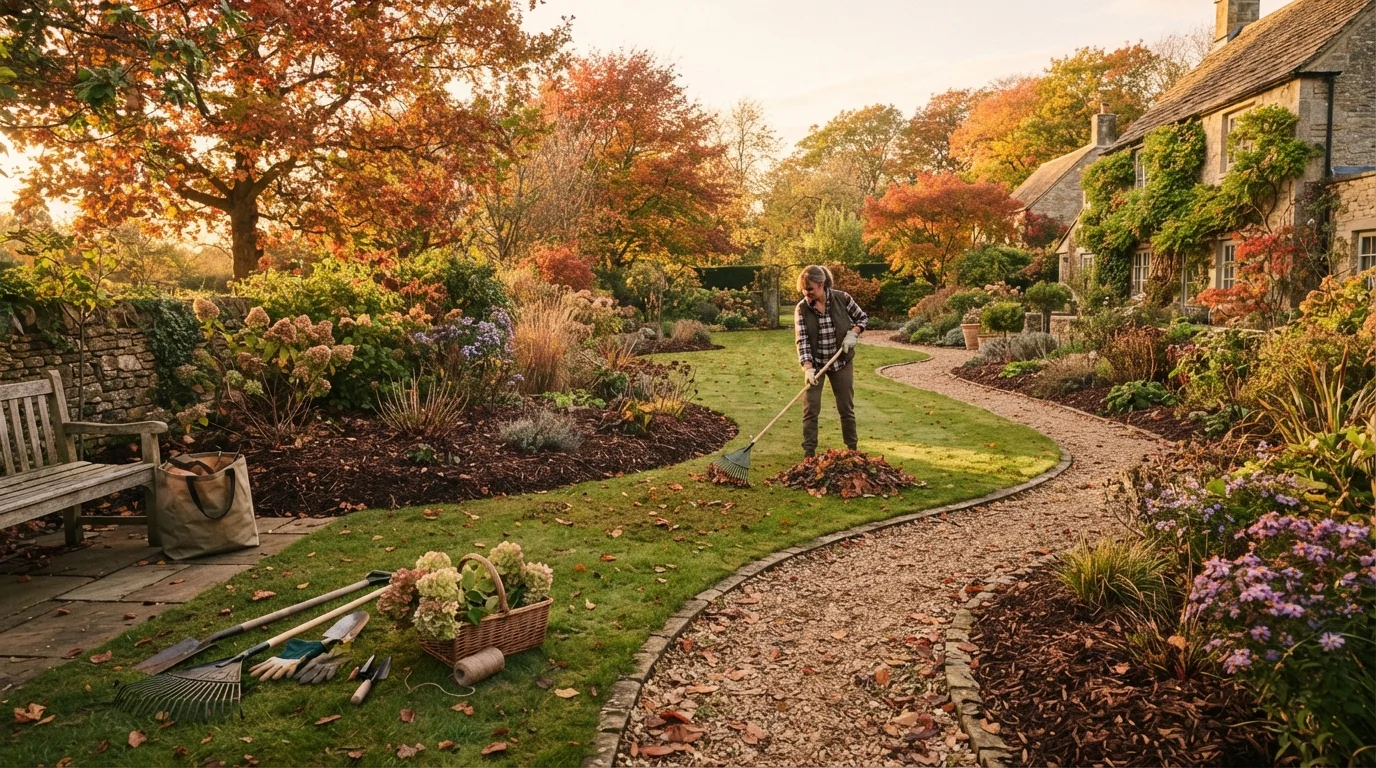
End-of-Season Garden Tidy-Up Checklist

Photo: DockedReads.com | Information Made Easy editorial

Use this practical checklist to close out your garden properly — protecting plants, improving soil, and setting up next year's success.

Key Takeaways

  • Clearing dead plant material now reduces disease and pest pressure next growing season.
  • Amending soil in fall gives organic matter time to break down before spring planting.
  • Properly storing tools and draining irrigation lines prevents costly winter damage.
  • Mulching beds before the ground freezes protects roots and moderates soil temperature.
  • Labeling what you planted and noting what worked helps you garden smarter next year.

Why End-of-Season Care Matters

The weeks between the first frost warning and hard frozen ground are some of the most valuable time you can spend in the garden — yet most gardeners skip them. A thorough autumn tidy-up removes the overwintering sites that fungal diseases and insects rely on, puts nutrients back into the soil, and means you'll be planting into prepared beds in spring rather than digging out of a mess.

This checklist covers four main areas: clearing and cutting back, soil care, tool and equipment winterization, and record-keeping. Work through it at your own pace — even completing the "must" items in a single afternoon will put your garden in meaningfully better shape for next year.

If you're deciding which plants to keep and which to replace, our guide on perennials vs. annuals can help you plan a lower-maintenance planting scheme before you dig anything up.

Required

Garden fork or spade

Turning compost into beds and loosening compacted soil around plant roots.

Required

Bypass pruners

Cutting back perennial stems and removing dead or damaged shrub branches cleanly.

Required

Leaf rake

Gathering fallen leaves and spent plant debris from beds and lawn areas.

Required

Wheelbarrow or garden cart

Transporting compost, mulch, and debris across the garden efficiently.

Required

Sharpening file or whetstone

Restoring edges on pruners, hoes, and spades before winter storage.

Optional

Soil test kit

Measuring soil pH and basic nutrient levels to guide fall amendment decisions.

Optional

Bulb storage containers (paper bags, mesh bags, or wooden crates)

Curing and storing tender bulbs such as dahlias and cannas over winter.

The Tidy-Up Checklist

Work through the groups below in order — clearing debris first makes soil amendment and mulching far easier. Items marked must are non-negotiable for plant health and equipment longevity. Should items add real value with modest extra effort, while nice-to-have steps are worth doing when time allows.

Clearing and Cutting Back

Remove spent annuals and vegetable plants entirely, including roots, and compost disease-free material. Must
Cut back dead perennial stems to 2–4 inches above the ground, leaving ornamental grasses and seed-head plants that provide winter wildlife habitat. Must
Rake and bag diseased or pest-damaged foliage — do not compost it, as many pathogens survive standard home compost temperatures. Must
Deadhead and remove frost-killed annuals from containers, then clean pots before storing. Must
Trim back any shrub branches that are crossing, dead, or rubbing to prevent winter damage and disease entry. Should
Pull or smother any remaining annual weeds before they set seed, cutting off next year's weed bank. Should

Soil Care and Bed Preparation

Add a 1–2 inch layer of compost or aged manure to empty beds and work it lightly into the top few inches of soil. Must
Apply 2–3 inches of mulch (shredded leaves, straw, or bark) over planted perennial beds to insulate roots through freeze-thaw cycles. Must
Test soil pH if you haven't done so in 2–3 years; fall is the ideal time to apply lime or sulfur so amendments can work before spring. Should
Sow a cover crop (winter rye, crimson clover) in empty vegetable beds to protect and enrich soil over winter. Nice to have
Dig and store tender bulbs — dahlias, cannas, and gladioli — before hard frost, then let them cure in a dry spot before packing in peat or paper. Must

Tool and Equipment Winterization

Clean all hand tools by removing soil, then sharpen blades on trowels, hoes, and pruners before oiling metal surfaces with a light mineral or linseed oil. Must
Drain garden hoses completely, coil them loosely, and store indoors or in an unheated but frost-protected garage to prevent cracking. Must
Drain and winterize in-ground irrigation systems or drip lines according to the manufacturer's instructions, or hire a professional to blow out lines with compressed air. Must
Empty, clean, and store bird baths and decorative water features that could crack when frozen. Should
Service gas-powered equipment (lawn mowers, tillers) by emptying the fuel or using a fuel stabilizer, then clean and store per the manufacturer's guidance. Should
Inspect, clean, and repair cold frames, row covers, and garden fabric before storing so they're ready for early spring use. Nice to have

Record-Keeping and Planning

Sketch or photograph current bed layouts and label what you planted where — this prevents guessing when spring bulbs emerge. Must
Note which plants performed well, which underperformed, and what you'd like to add or remove next year. Should
Order or request seed catalogs now to plan next year's vegetable and flower selections before stock sells out. Nice to have
Review your essential tool list and note any replacements or additions you need before spring. Nice to have

Don't Compost Diseased Plant Material

Home compost piles rarely reach temperatures high enough to kill fungal spores, bacteria, or insect eggs. Any plant showing signs of powdery mildew, black spot, blight, or pest damage should go into yard-waste bags for municipal collection — not into your compost bin. Adding diseased material to the pile risks spreading the problem to healthy beds when you apply compost in spring.

Once beds are cleared and amended, apply a 2–3 inch layer of mulch over planted areas. Our deep dive on mulching materials and techniques explains which options suit different garden situations and soil types.

Don't forget container plants — pots left outdoors through a freeze can crack. See our container gardening guide for specifics on overwintering potted herbs, flowers, and vegetables.

Drain Irrigation Lines Before the First Hard Freeze

Water left in underground irrigation lines or poly tubing can expand as it freezes, cracking pipes and fittings in ways that may not be visible until you turn the system on in spring. In most US climates, this step should happen before nighttime temperatures regularly drop below 32°F. If your system has backflow preventers or in-ground components, consult a licensed irrigation professional to winterize it correctly.

End-of-season garden work pairs well with broader home winterization. The seasonal home maintenance calendar outlines what else to check around the house — including gutter cleaning, which becomes urgent once leaves have fallen. And if your lawn needs attention before the cold sets in, the lawn care seasonal overview covers fall feeding and overseeding tasks.

Home & Garden Editorial Team

DockedReads.com | Information Made Easy

Home & Garden Editorial Team is the collective byline for our editorial team and contributor network. Articles published under this byline or an editorial pen name are researched, written, and reviewed according to our editorial standards for clarity, consistency, and independence before publication.

Home MaintenanceGarden & OutdoorsHome Improvement
View author profile

The content on this site is for informational purposes only and is not a substitute for professional advice. Always consult a qualified professional for guidance specific to your situation.