
Gutters: A Complete Guide to Cleaning, Maintenance, and Knowing When to Call a Pro

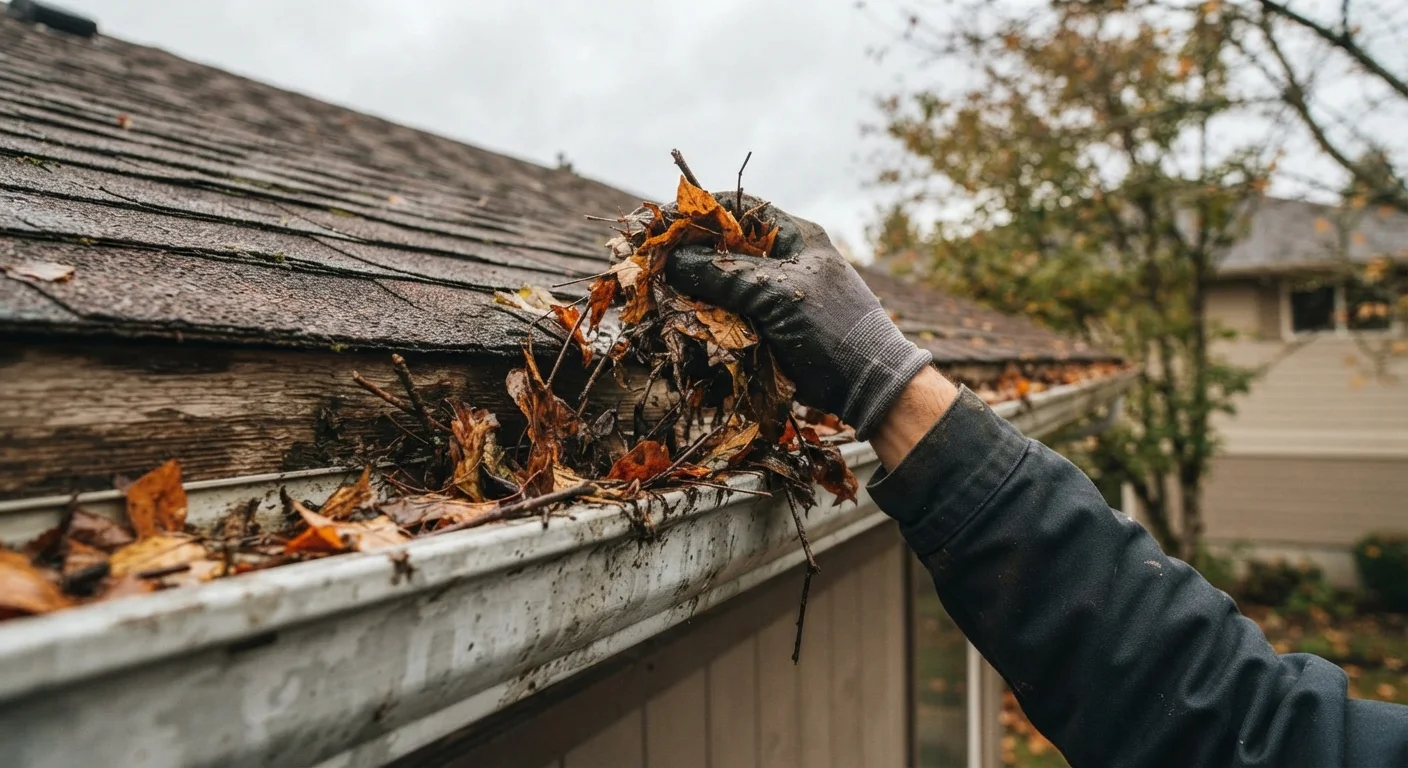
Photo: DockedReads.com | Information Made Easy editorial
Key Takeaways
- Clean gutters at least twice a year — more often if large trees overhang your roofline.
- Sagging, leaking joints, and peeling paint near fascia boards are early warning signs of gutter failure.
- Most homeowners can safely handle cleaning on single-story homes; multi-story work warrants professional help.
- Gutter guards reduce debris accumulation but do not eliminate the need for periodic inspection.
- Unaddressed gutter problems can lead to foundation damage, basement flooding, and rotted fascia.
How Gutters Work and Why They Matter
Gutters are a simple system with a critical job: capture rainwater runoff from your roof and channel it away from your home's foundation, siding, and landscaping. A standard gutter system consists of the trough (the channel itself), downspouts that carry water vertically to ground level, and extensions or splash blocks that direct discharge away from the structure.
When this system works correctly, water follows a controlled path. When it fails — due to clogs, damage, or improper slope — water overflows or backs up, creating conditions that lead to foundation erosion, basement leaks, wood rot along fascia and soffits, and even interior water intrusion. The warning signs of a failing roof and failing gutters often overlap, so understanding both systems together gives you a more complete picture of your home's exterior health.
$10,000+
Average cost of foundation repairs from water intrusion
According to general contractor cost data, foundation repairs caused by poor drainage frequently exceed five figures, making preventive gutter maintenance highly cost-effective.
2x/year
Minimum recommended gutter cleaning frequency
Most home maintenance authorities recommend cleaning gutters at least twice annually, with additional cleanings for homes under heavy tree canopy.
1/4"
Slope per 10 feet for proper gutter drainage
Gutters should pitch toward the downspout at roughly one-quarter inch per ten linear feet to prevent standing water and debris accumulation.
Common Gutter Problems to Watch For
Most gutter issues are visible if you know where to look. Conduct a ground-level visual inspection after heavy rain — that's when problems announce themselves most clearly.
- Sagging sections: Caused by accumulated debris weight or fastener failure. The trough pulls away from the fascia board, disrupting drainage slope.
- Overflowing water: A clog somewhere in the trough or downspout is forcing water over the edge rather than through the system.
- Standing water in the trough: Indicates inadequate slope (gutters should fall roughly 1/4 inch per 10 feet toward the downspout) or a partial blockage.
- Peeling paint or rust stains on siding: Persistent moisture from overflow is contacting the exterior wall.
- Separated joints: End caps or connectors have worked loose, creating gaps where water escapes.
- Erosion channels in the soil below: A sign that water has been falling consistently in the same spot, often from a missing section or overwhelmed downspout.
Don't Ignore Water Near the Foundation
Checking your gutters is a natural part of a broader home inspection habit. Our seasonal home maintenance guide covers the full range of tasks by time of year.
How to Clean Your Gutters Safely
For most single-story homes, gutter cleaning is a manageable DIY task. You'll need a stable ladder (an A-frame ladder works better than leaning a straight ladder against the gutter itself, which can dent the trough), work gloves, a small plastic scoop or garden trowel, a bucket or tarp, and a garden hose.
- Set up safely: Place the ladder on firm, level ground. Never lean it against the gutter. Have someone spot you if possible.
- Remove debris by hand: Scoop from the end farthest from the downspout, working toward it. Deposit debris into a bucket rather than onto your roof or driveway.
- Flush with a hose: Run water from the end opposite the downspout toward the outlet. Watch for slow drainage, which signals a partial clog, or standing pools, which indicate slope problems.
- Clear downspouts: Insert the hose into the top of the downspout and run full pressure. If water backs up, the clog is near the bottom; if it runs freely, the trough connection is clear.
- Inspect as you go: Look for cracks, rust spots, separated joints, or loose hangers while you have close access.
Run your hose at full pressure through the downspout from the top before assuming you have a stubborn clog — a surprising number of blockages dislodge with water pressure alone, saving you from disassembling the joint.
Mark the low spots in your gutters with a piece of tape after flushing, then adjust hangers at those points rather than guessing at slope by eye.
Routine Maintenance That Extends Gutter Life
Cleaning is the most time-sensitive maintenance task, but a few additional habits significantly extend system lifespan.
Resealing Joints
Interior gutter sealant — a flexible, waterproof compound applied to seams and end caps — degrades over several years. When joints begin to weep, clean and dry the interior surface thoroughly, then apply fresh sealant. This is one of the more straightforward repairs a homeowner can make with basic caulking skills.
Tightening or Replacing Hangers
Gutter hangers (the hardware that fastens the trough to the fascia) can loosen over time due to thermal expansion, ice, or debris weight. If a section is sagging, check whether the hanger has pulled out of the fascia. Screwing into solid wood — rather than the same holes — often restores a firm hold. If the fascia board itself is soft or punky, that's a rot issue requiring professional assessment.
Extending Downspout Discharge
Water should discharge at least 3–4 feet from the foundation. Flexible downspout extensions or underground drain lines can carry water further when the yard grade doesn't cooperate. This small adjustment can meaningfully reduce basement moisture problems.
Gutter Guards
Mesh or micro-mesh gutter guards reduce the frequency of debris accumulation but are not maintenance-free. Fine debris, seeds, and shingle grit can still pass through or build up on top of the guard. Inspect annually regardless. See how this kind of ongoing home upkeep fits into the larger picture in our overview of home maintenance myths.
Schedule Cleaning After Leaf Drop, Not Before
When to Call a Professional
There's a meaningful difference between tasks that are within reach of a careful homeowner and work that carries genuine safety or structural risk. Knowing that line is part of responsible home stewardship — the same logic explored in our comparison of DIY versus professional maintenance in another domain.
Ladder Safety Is Non-Negotiable
Situations That Warrant Professional Help
- Two-story or steep-roofline homes: Working from an extension ladder at significant height introduces serious fall risk. Professional gutter services have the equipment and training to manage this safely.
- Rotted fascia or soffit boards: If the wood your gutters are attached to has decayed, the fix involves carpentry — and potentially uncovering underlying moisture or pest damage — before new gutters can be properly secured.
- Full gutter replacement: Seamless gutters are fabricated on-site using specialized equipment. This is not a DIY-feasible job.
- Persistent foundation or basement water issues: If gutter maintenance hasn't resolved basement moisture, a drainage professional or foundation specialist should assess whether the grading, downspout routing, or foundation itself needs attention.
- Damage after storms or ice dams: Large sections pulled away from the fascia, or sections crushed by ice, often involve hidden damage to the roofline that should be evaluated alongside the gutter repair.
Fitting Gutters Into Your Seasonal Home Routine
The most practical gutter maintenance schedule for most US climates involves two thorough cleanings per year: once in late spring after tree pollination and seed drop have peaked, and again in late autumn after deciduous trees have dropped their leaves. Homeowners with heavy pine or oak coverage may find a third mid-summer cleaning worthwhile.
Beyond cleaning, do a visual inspection after any significant storm — high winds can dislodge hangers or pull joints apart, and catching that quickly prevents compounding water damage. Your end-of-season garden tidy-up is a natural companion task: both are best completed before winter sets in.
If your home is due for a broader exterior refresh or you're planning significant exterior work, gutters should factor into that scope. Our home renovation resource covers how to sequence and coordinate that kind of multi-trade project effectively.
Consistent attention to gutters isn't glamorous, but it is one of the highest-return maintenance habits a homeowner can develop. A few hours of work each year protects the foundation, siding, and structural framing that represent the majority of your home's value.
“The gutter is the last line of defense between your roof and your foundation. Neglect it, and water will find every vulnerability in between.”
— Home & Garden Editorial Team, Editorial perspective on residential exterior maintenance
The content on this site is for informational purposes only and is not a substitute for professional advice. Always consult a qualified professional for guidance specific to your situation.