
Attracting Pollinators: Designing a Garden That Supports Bees and Butterflies

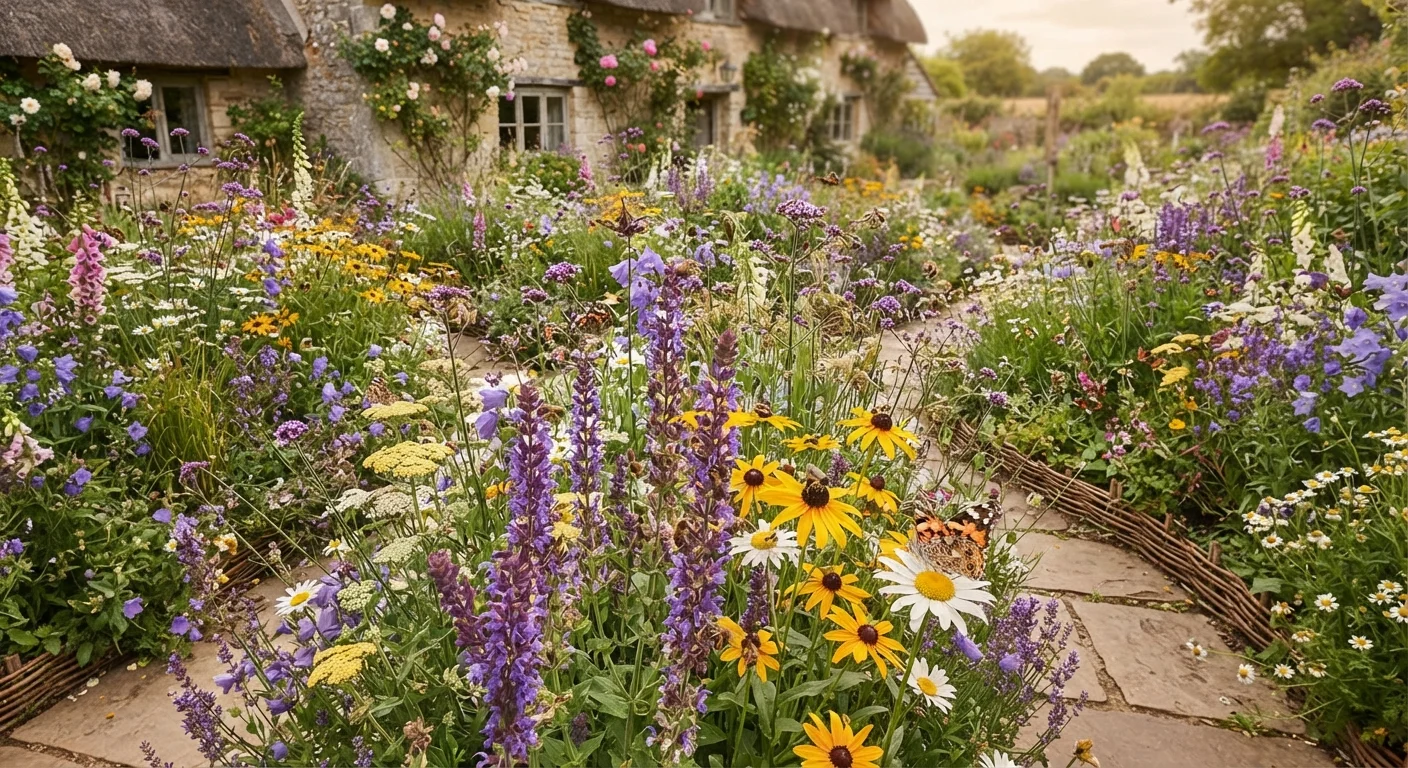
Photo: DockedReads.com | Information Made Easy editorial
Key Takeaways
- Choose native plants suited to your region to provide reliable food sources for local pollinators.
- Stagger bloom times across spring, summer, and fall to support pollinators throughout the season.
- Avoid broad-spectrum pesticides, which harm bees and butterflies regardless of the target pest.
- Incorporate shelter features like bare soil patches, brush piles, and bee houses to support nesting.
- Even small containers or window boxes can meaningfully contribute to pollinator habitat.
Why Pollinator Gardens Matter
Bees, butterflies, and other pollinators are essential to the health of both wild ecosystems and food production. According to the U.S. Department of Agriculture, pollinators contribute to the reproduction of roughly 75% of flowering plant species and assist in producing many of the fruits and vegetables grown in American gardens and farms. Yet habitat loss, pesticide exposure, and reduced plant diversity have placed many pollinator populations under pressure.
The good news is that home gardens — even modest ones — can make a genuine difference. By making a few deliberate choices about what you plant and how you manage your outdoor space, you can turn your yard into a reliable source of food and shelter for local pollinators. This isn't about creating a wild, unmanaged meadow (unless you want to). It's about designing thoughtfully within whatever space you have.
75%
Flowering plant species aided by pollinators
The U.S. Department of Agriculture estimates that pollinators support the reproduction of approximately 75% of the world's flowering plant species.
4,000+
Native bee species in the United States
The USDA Natural Resources Conservation Service recognizes more than 4,000 native bee species across the U.S., many of which depend on specific native plant hosts.
Plant Selection: Native Plants Are the Foundation
The single most impactful decision you can make is to plant native species. Native plants have co-evolved with local pollinators over thousands of years, making them far more nutritionally valuable than many ornamental varieties. Cultivars bred for double blooms, for instance, often have reduced or inaccessible pollen and nectar.
Good native pollinator plants vary by region, but widely adapted options across the U.S. include purple coneflower (Echinacea purpurea), black-eyed Susan (Rudbeckia hirta), native milkweed species (critical for monarch butterflies), wild bergamot (Monarda fistulosa), and goldenrod (Solidago spp.). Your local cooperative extension office is an excellent resource for region-specific plant lists.
Herbs are also valuable — flowering basil, lavender, thyme, and borage attract a wide range of bee species and are easy to grow. If you're working with limited space, see our guide to container gardening for ideas on growing pollinator-friendly herbs and flowers in pots.
Check Before You Buy: Neonicotinoid-Treated Plants
Designing for Continuous Bloom
A garden that flowers for only two weeks in June is of limited use to pollinators that need food from early spring through late fall. Aim for overlapping bloom times so that something is always flowering in your garden. Early spring bloomers like Virginia bluebells and redbud bridge the gap before summer plants establish. Mid-season workhorses like coneflower and bee balm carry through the warmer months. Late-season plants like goldenrod, asters, and sedum are particularly important — they fuel migrating butterflies and help bees build winter fat reserves.
Mixing perennials and annuals is one practical way to achieve this. Perennials return year after year and anchor the bloom calendar, while annuals fill gaps and can be swapped out as your garden evolves. Our article on perennials vs. annuals can help you strike the right balance for your goals and schedule.
Plant in clusters of the same species rather than scattering individual plants.
Include at least one early-spring and one late-fall blooming plant in every pollinator garden.
Choose single-flowered varieties over double-flowered ornamental cultivars.
Leave some areas of your garden intentionally undisturbed through winter.
Avoid applying any pesticide — including organic options — during bloom hours.
Shelter, Water, and Pesticide-Free Management
Food is only part of what pollinators need. Many native bee species — including bumble bees and over 4,000 other native bee species in the U.S. — nest in the ground or in hollow stems. You can support them by leaving patches of bare or lightly mulched soil, allowing hollow plant stems to stand through winter, and adding a simple bee house for cavity-nesting species. Brush piles and leaf litter also shelter overwintering butterfly pupae and moth caterpillars.
A shallow water source helps too — a dish filled with clean pebbles and water gives small insects a safe place to drink without drowning. Change the water every few days to prevent mosquito breeding.
Perhaps the most important management choice is reducing or eliminating broad-spectrum pesticide use. Even products labeled for specific pests can harm beneficial insects when applied during bloom. Our guide to managing pests without pesticides outlines physical and biological alternatives that protect your garden without undermining the pollinators working in it.
Putting It All Together
A successful pollinator garden doesn't require a large plot or a complete yard overhaul. Start by identifying one or two sunny areas — pollinators generally prefer open, warm spots — and plant a small cluster of native flowering plants with staggered bloom times. Group plants in drifts of three or more rather than scattering single specimens; this makes it easier for pollinators to locate and revisit food sources efficiently.
As your garden matures, consider how plant combinations work together. Our article on companion planting explores which plant pairings have real evidence behind them — some combinations attract beneficial insects while deterring pests. Adding mulch strategically around (not directly against) plant stems helps retain soil moisture and moderate soil temperature, supporting plant health without blocking the bare soil patches that ground-nesting bees depend on.
“The monarch butterfly's struggle highlights a broader truth: when we remove the plants that native insects depend on, we unravel the food web from the bottom up. Restoring those plants, even in small patches, starts to reverse that process.”
— Doug Tallamy, Professor of Entomology and Wildlife Ecology, University of Delaware, and author on native plant ecology
The most important thing is to begin. Even a single window box of native flowers signals that your yard is open for business — and pollinators will find it.
The content on this site is for informational purposes only and is not a substitute for professional advice. Always consult a qualified professional for guidance specific to your situation.