
Dealing with Common Garden Pests Without Reaching for Pesticides

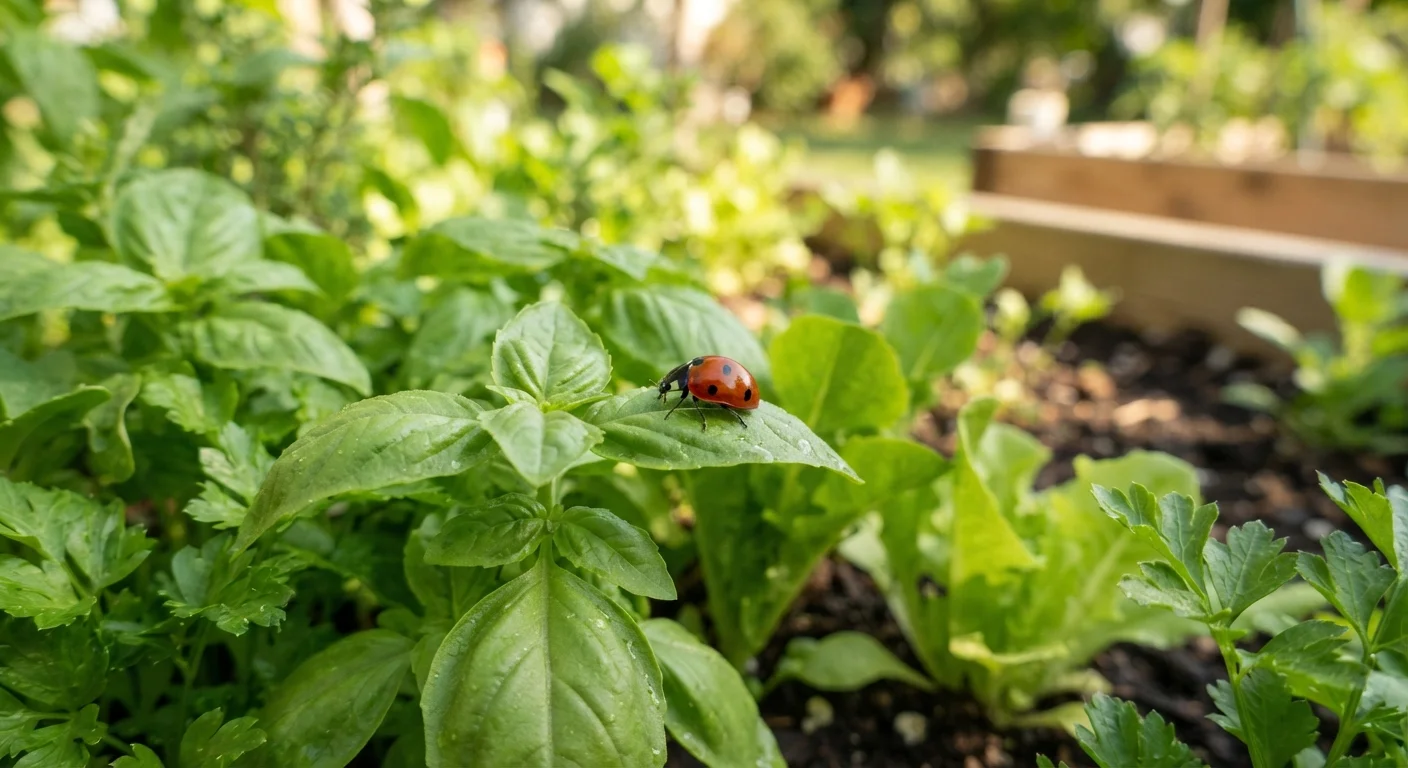
Photo: DockedReads.com | Information Made Easy editorial
Key Takeaways
- Regular monitoring helps you catch pest problems before they become serious infestations.
- Physical barriers, hand-picking, and row covers are effective first-line defenses against many common pests.
- Encouraging beneficial insects like ladybugs and parasitic wasps provides natural, ongoing pest control.
- Healthy soil and proper plant spacing reduce plant stress and pest vulnerability significantly.
- Crop rotation and companion planting disrupt pest life cycles and can deter feeding damage.
Why Pesticide-Free Pest Management Makes Sense
Synthetic pesticides can offer fast results, but they often create longer-term problems: disrupted soil biology, resistance buildup in pest populations, and harm to beneficial insects that your garden depends on. A pesticide-free approach — sometimes called Integrated Pest Management (IPM) — uses a layered set of strategies that work together to keep pests at tolerable levels rather than attempting eradication.
The goal isn't a pest-free garden (an unrealistic aim in any outdoor space) but a garden where pest pressure stays low enough that plants remain healthy and productive. This approach is also gentler on your soil's microbiome, which supports plant nutrition in ways that complement choices you make about fertiliser selection.
Avoid Pesticides Near Pollinators
Tools and Materials You'll Need
Pesticide-free pest control relies on observation and a modest set of physical tools rather than a cabinet full of sprays. Gather the following before you begin your first scouting session:
What you will need
Hand lens or magnifying glass
Helps identify small pests like spider mites, aphids, or thrips that are difficult to see with the naked eye.
Row covers (floating fabric)
Physical barrier that excludes flying insects such as cabbage moths, squash vine borers, and flea beetles from vulnerable crops.
Garden hose with adjustable nozzle
Used to dislodge soft-bodied pests like aphids from plant stems and leaves with a direct water spray.
Yellow sticky traps
Monitors flying pest populations — such as whiteflies and fungus gnats — and helps gauge infestation severity.
Diatomaceous earth (food grade)
A physical deterrent sprinkled around plant bases to discourage slugs, beetles, and other crawling pests.
Step-by-Step: Managing Pests Without Pesticides
Follow these steps in order during the growing season. The earlier in the pest cycle you intervene, the less effort each step requires.
Scout Your Garden Regularly
Walk through your garden at least twice a week during the growing season. Flip leaves over, inspect stems, and check the soil surface near plant bases. Look for chewed edges, stippled or yellowing foliage, sticky residue (honeydew), wilting without drought stress, and visible insects or egg clusters.
Early detection is the single most important factor in keeping pest pressure manageable without chemical intervention.
Correctly Identify the Pest
Before doing anything else, confirm what you're dealing with. Common culprits include aphids (small, soft-bodied clusters on new growth), slugs (irregular holes with slime trails), cabbage loopers (smooth green caterpillars on brassicas), squash vine borers (sawdust-like frass at vine bases), and Japanese beetles (skeletonized leaves).
Your local university cooperative extension service offers free or low-cost identification resources and is a reliable, regionally specific source of guidance.
Remove Pests Physically
For many pest situations, physical removal is the fastest and most direct solution:
- Hand-pick caterpillars, beetles, and slugs into a bucket of soapy water.
- Blast aphids off stems with a firm jet of water from your garden hose — repeat every two to three days.
- Scrape egg masses from the undersides of leaves and dispose of them in the trash, not the compost.
Install Physical Barriers
Prevent pests from reaching your plants in the first place:
- Floating row covers draped over hoops keep flying insects off brassicas, cucurbits, and other vulnerable crops. Remove them during flowering if the plants require pollination.
- Copper tape around container rims can deter slugs and snails.
- Collars made from cardboard tubes placed around seedling stems at soil level block cutworms.
Encourage Beneficial Insects
Many insects prey on garden pests naturally. Ladybugs, lacewings, ground beetles, parasitic wasps, and hoverflies all help keep pest populations in check. To attract and retain them:
- Plant small-flowered nectar sources like dill, fennel, yarrow, and sweet alyssum near vegetable beds.
- Avoid broad-spectrum treatments that kill beneficial insects alongside pests.
- Leave some leaf litter or undisturbed ground areas where ground beetles can overwinter.
This approach pairs naturally with a thoughtful planting strategy — our guide on balancing perennials and annuals can help you plan for year-round habitat.
Apply Cultural Controls
Healthy, well-sited plants resist pest damage more effectively than stressed ones. Practical cultural strategies include:
- Crop rotation: Move plant families to different beds each year to disrupt soil-dwelling pest and disease cycles.
- Proper spacing: Good airflow reduces the humid microclimates that favor fungal issues and some pests.
- Mulching: A 2–3 inch layer of organic mulch suppresses weeds, regulates moisture, and can deter some soil-surface pests. See our mulching guide for material options and technique.
- Remove plant debris promptly: Diseased or pest-damaged material left in the garden harbors overwintering eggs and larvae.
Keep a Simple Garden Journal
Troubleshooting Persistent Pest Problems
If a pest returns season after season despite your efforts, consider these adjustments:
- Reassess plant placement. Some microclimates — consistently shaded, poorly drained, or very warm spots — favor specific pests. Moving susceptible plants may resolve the issue permanently.
- Evaluate plant health holistically. Chronic pest pressure often signals underlying stress from poor soil nutrition, compaction, or inconsistent watering. Addressing root causes pays off more than repeated treatments.
- Try trap crops deliberately. Planting a small sacrifice crop (such as nasturtiums for aphids or blue hubbard squash to lure squash beetles away from zucchini) can concentrate pests where they're easier to manage or remove.
Misidentification Wastes Time and Harms Plants
At the end of the growing season, a thorough garden clear-out is one of your best pest-prevention investments for the following year. Our end-of-season tidy-up checklist walks you through exactly what to tackle before winter sets in.
The content on this site is for informational purposes only and is not a substitute for professional advice. Always consult a qualified professional for guidance specific to your situation.