
Seasonal Car Maintenance: Preparing Your Vehicle for Changing Conditions

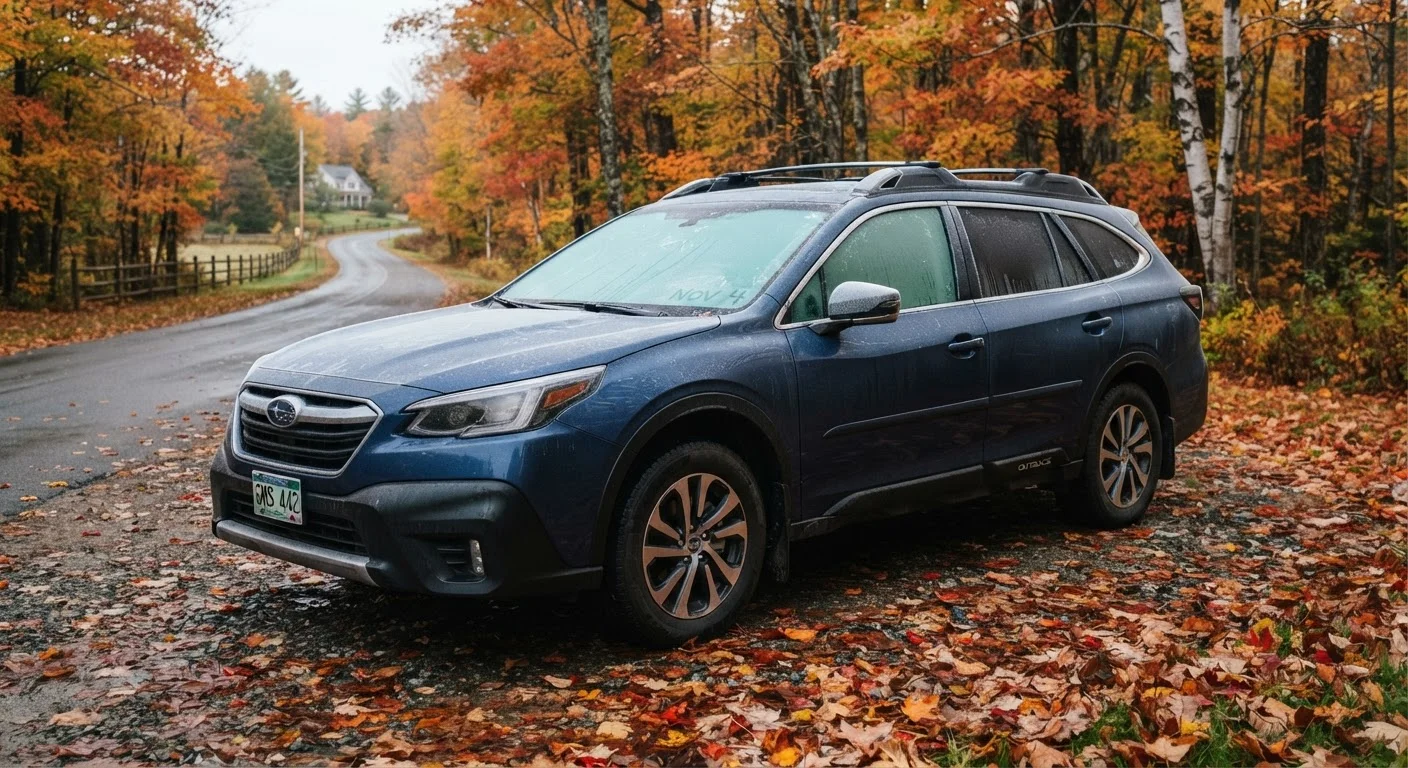
Photo: DockedReads.com | Information Made Easy editorial
Key Takeaways
- Tires, battery, and fluids are the most weather-sensitive components on any vehicle.
- Cold temperatures reduce tire pressure and weaken battery output — check both before winter.
- Spring is the best time to inspect for undercarriage corrosion and replace worn wiper blades.
- Summer heat accelerates coolant breakdown and can cause tire blowouts if pressure is too high.
- Proactive seasonal checks catch problems early, often before they become expensive repairs.
Why Seasonal Maintenance Matters
Vehicles are exposed to a wide range of temperature extremes, road chemicals, and driving conditions throughout the year. Each season brings a distinct set of stresses — freezing temperatures contract metals and thicken fluids, summer heat strains cooling systems, and wet fall roads demand reliable brakes and tires. Ignoring these transitions is one of the most common reasons otherwise healthy vehicles break down unexpectedly.
Seasonal maintenance isn't about overhauling your car four times a year. It's about knowing which components are most vulnerable at each transition and addressing them before problems develop. This approach is also significantly cheaper than reactive repairs — a worn battery costs far less to replace in October than it does when it fails on a January morning.
For a broader view of vehicle upkeep that often gets skipped, see our guide to annual car ownership tasks drivers commonly overlook.
~1 PSI
Tire pressure lost per 10°F temperature drop
This is a widely cited automotive engineering principle used by tire manufacturers and vehicle OEMs.
3–5 years
Typical car battery lifespan in average climates
Extreme heat and cold can shorten battery life; AAA research has found that heat is the leading cause of battery failure.
45°F
Temperature threshold where all-season tires lose grip
Tire manufacturers and safety organizations commonly cite this threshold for when winter tire performance advantages become significant.
Fall Preparation: Getting Ready for Cold and Wet
Fall is the most valuable window for preventive maintenance because it gives you time to address problems before harsh winter conditions arrive. Prioritize the following:
- Battery test: Cold weather reduces a battery's cranking power. Most auto parts stores will test your battery for free. If it's more than three years old and showing reduced output, replacing it in the fall is far preferable to a dead battery in January.
- Wiper blades and washer fluid: Rain and early snow demand clear visibility. Replace blades that streak or skip, and switch to a washer fluid rated for freezing temperatures.
- Brake inspection: Wet and icy roads demand maximum braking performance. Have a qualified mechanic inspect pad thickness and rotor condition if you haven't done so recently.
- Tire tread depth: Worn tires lose grip dramatically on wet pavement. Insert a quarter into the tread — if you can see the top of Washington's head, tread depth is getting low.
Check Your Battery Before the Cold Hits
If you live in a region with heavy snowfall, fall is also the time to consider dedicated winter tires, which offer significantly better grip than all-season tires below 45°F.
Winter Readiness: Cold-Weather Essentials
Once temperatures drop consistently below freezing, a few specific systems deserve close attention:
- Tire pressure: Tire pressure drops roughly 1 PSI for every 10°F decrease in temperature. Under-inflated tires reduce fuel efficiency, handling, and tread life. Check pressure monthly in cold weather — always against the spec on your door jamb sticker, not the tire sidewall.
- Engine oil viscosity: Thicker oil flows more slowly in cold temperatures, making cold starts harder on the engine. Check your owner's manual for cold-weather oil recommendations. Understanding oil change intervals can help clarify when a switch in viscosity grade may be appropriate.
- Coolant (antifreeze) concentration: A 50/50 mix of coolant and distilled water is standard, but in extreme cold climates a higher coolant concentration may be needed. An inexpensive tester strip or refractometer can confirm your mixture is adequate.
- Four-wheel or all-wheel drive systems: If your vehicle has 4WD or AWD, test engagement before you need it. These systems can develop faults that aren't obvious until you're already on a slippery road.
For guidance on handling the conditions winter roads produce, see driving in fog, ice, and high winds.
Don't Warm Up a Modern Engine Excessively
Spring Checks: Undoing Winter's Damage
Winter is hard on vehicles in ways that only become visible once the snow melts. Spring is the time to assess and correct that damage.
- Undercarriage inspection: Road salt accelerates rust on brake lines, exhaust components, and structural metal. A visual inspection — or a professional undercarriage wash and look-over — can catch corrosion early before it compromises safety.
- Wiper blades (again): Winter wipers, if you used them, should come off in spring. Standard blades perform better in rain and are less likely to streak.
- Tire swap and inspection: If you ran winter tires, spring is when they come off and your all-season or summer tires go back on. Inspect for uneven wear patterns, which can indicate alignment or suspension problems.
- Fluid top-offs: Check brake fluid, power steering fluid, and windshield washer fluid levels. Our fluid checks guide walks through this process safely without specialist tools.
When inspecting for rust after winter, pay specific attention to brake lines running along the undercarriage — these are thin metal tubes that corrode faster than structural components and are a genuine safety concern.
Check tire pressure first thing in the morning before the vehicle has moved — once you've driven even a short distance, friction heat inflates the reading and you'll get a false high.
Summer Prep: Heat and Long-Distance Driving
Summer heat creates its own category of vehicle stress, particularly for cooling systems and tires. Before peak summer driving — especially before long road trips — address these areas:
- Coolant system: High ambient temperatures push your cooling system harder. Check coolant level and condition; degraded coolant loses its ability to transfer heat efficiently. If the coolant looks brown or has a sludgy texture, a flush may be warranted.
- Tire pressure (upper limit): Heat causes air to expand, which can push already over-inflated tires toward dangerous pressure levels. Check pressure in the morning before driving, when tires are cold.
- Air conditioning: A failing A/C compressor often shows early signs — reduced cooling output or unusual noises — before it fails entirely. Addressing these signs in early summer avoids a miserably hot breakdown.
- Cabin and engine air filters: Summer often brings more dust and pollen. A clogged engine air filter reduces fuel efficiency; a clogged cabin filter degrades interior air quality.
Use our annual vehicle inspection checklist to build a complete picture of your car's condition heading into summer road trip season.
Year-Round Habits That Protect Your Vehicle
Beyond seasonal transitions, a few consistent habits have a disproportionate impact on vehicle longevity and safety:
- Monthly tire pressure checks: Takes two minutes and prevents uneven wear, poor fuel economy, and blowout risk.
- Pre-trip walkarounds: A quick check of lights, tires, and fluid levels before a long drive can catch problems before they strand you. See our pre-trip vehicle safety checklist for a structured approach.
- Following your owner's manual: Manufacturer-specified maintenance intervals are based on engineering data specific to your vehicle — not generic rules of thumb. When in doubt, the manual is the most reliable reference you have.
Staying ahead of seasonal demands doesn't require mechanical expertise — it requires attention and consistency. Building these checks into your calendar each season is one of the most practical things you can do to extend your vehicle's life and stay safer on the road.
Climate Affects Which Checks Matter Most
The content on this site is for informational purposes only and is not a substitute for professional advice. Always consult a qualified professional for guidance specific to your situation.