
The Annual Vehicle Inspection Checklist

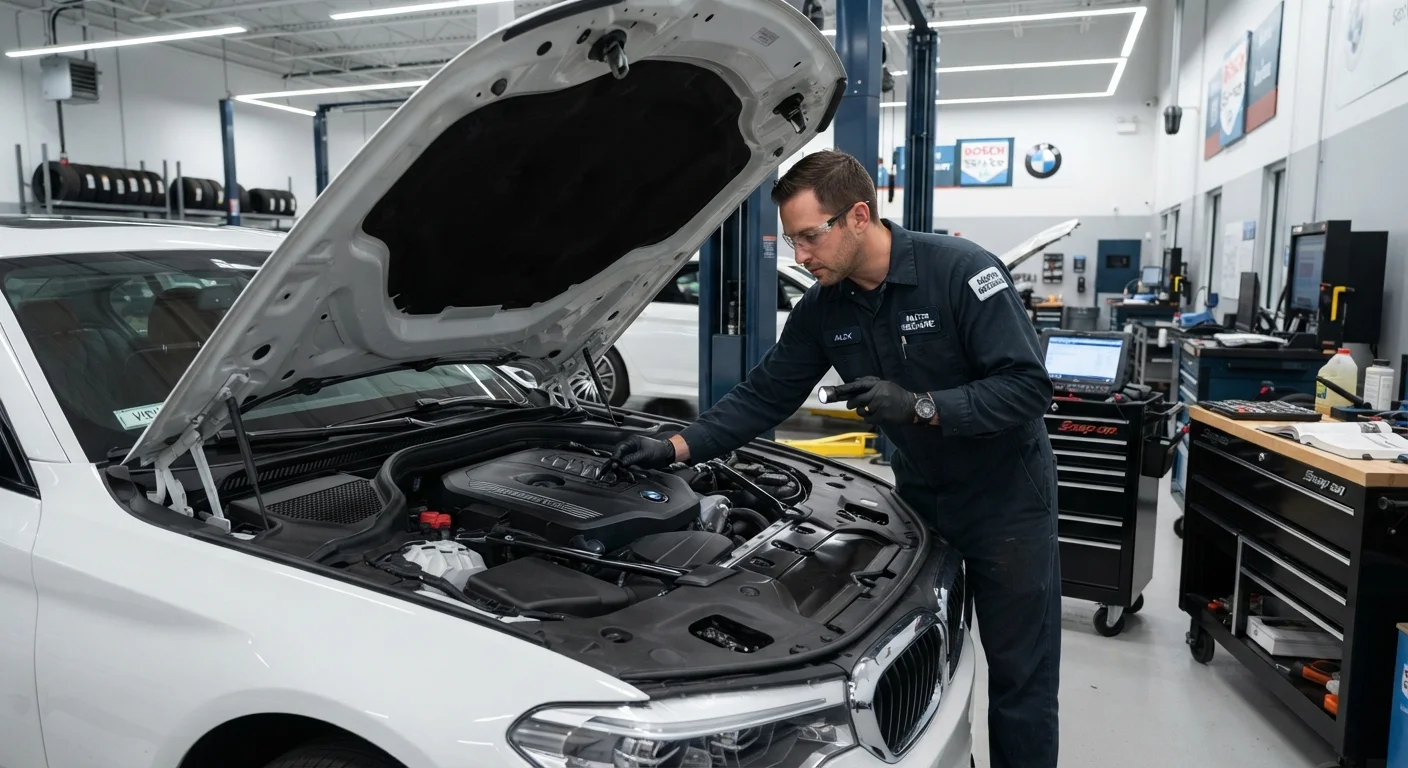
Photo: DockedReads.com | Information Made Easy editorial
Key Takeaways
- Completing a self-inspection before a formal state inspection can help you catch fixable issues in advance.
- Tyres, brakes, lights, and fluids are the most commonly cited failure points during vehicle inspections.
- Many inspection items require no tools and can be assessed visually in your driveway.
- Some findings — particularly brake or suspension concerns — warrant a qualified mechanic's review before driving further.
- Annual inspections complement, but do not replace, regular maintenance intervals recommended in your owner's manual.
Why a Pre-Inspection Walkthrough Matters
State-mandated vehicle safety inspections exist to keep improperly maintained cars off public roads — but showing up unprepared can mean a failed inspection, a return trip to the shop, and added time and expense. A structured self-assessment done a few weeks beforehand gives you an opportunity to spot obvious issues, address easy fixes on your own schedule, and arrive at the inspection station with confidence.
This checklist is designed for everyday drivers, not mechanics. Most items require nothing more than your own observation, a flashlight, and basic reference tools. For deeper context on fluid checks specifically, see our step-by-step fluid inspection guide which walks through each reservoir safely and without specialist equipment.
Keep in mind: this checklist is a preparation tool. It helps you understand your vehicle's current condition, prioritise what needs attention, and have more productive conversations with your mechanic — it is not a certification of roadworthiness.
This Checklist Does Not Replace a Professional Inspection
What You'll Need Before You Start
Gather a few basic items before beginning your walkthrough. Working on a level surface with the engine cold (for accurate fluid readings) and in good lighting will improve your accuracy significantly.
Tyre pressure gauge
Accurately measures PSI in each tyre so you can compare against the manufacturer's recommended inflation level.
Tread depth gauge or penny
Provides a quick, reliable measurement of remaining tyre tread depth.
Flashlight or work light
Illuminates dark areas under the hood, beneath the vehicle, and inside wheel wells for a thorough visual inspection.
Owner's manual
Lists your vehicle's specific fluid capacities, recommended PSI, and maintenance intervals — the authoritative reference for your car.
Mechanic's creeper or floor mat
Allows you to safely slide under the front of the vehicle to check for fluid leaks or visible undercarriage damage.
Plan to spend 30 to 60 minutes working through the checklist items methodically. Rushing through reduces the value of the exercise. If you discover multiple issues, consider whether any require immediate professional attention before the vehicle is driven again.
The Full Inspection Checklist
Work through the six categories below in order. Each item is tagged by priority: must items are typically evaluated during formal inspections; should items are strongly recommended for safety and longevity; nice-to-have items are administrative or preparatory steps that reduce friction later.
Tyres & Wheels
Lights & Electrical
Fluids
Brakes & Suspension
Wipers, Windows & Mirrors
Safety Equipment
Brake and Suspension Concerns: Stop and Seek Help
State Inspection Standards Vary
For a broader view of the annual tasks that support keeping your vehicle legal and well-maintained — beyond the inspection itself — see our guide on annual car ownership tasks most drivers overlook.
After the Checklist: Next Steps
Once you've worked through all categories, tally any items that need attention. Group them into three buckets: things you can address yourself (replacing wiper blades, topping off washer fluid, adjusting tyre pressure), things that need a mechanic's hands before your inspection appointment, and things to monitor over time.
If your vehicle hasn't had a seasonal maintenance review recently, conditions like cold weather accelerate tyre pressure loss and battery wear in ways that may not be obvious during a single walkthrough. Our seasonal car maintenance overview covers how weather affects different vehicle systems throughout the year.
For a shorter, habit-forming version of vehicle awareness, the pre-trip safety check offers a quick walk-around routine you can build into every drive — complementing, not replacing, the annual review covered here.
This article is intended for general informational purposes only. It does not constitute professional mechanical advice. For any safety-critical concern identified during your self-assessment, consult a qualified, licensed mechanic before operating your vehicle.
The content on this site is for informational purposes only and is not a substitute for professional advice. Always consult a qualified professional for guidance specific to your situation.