
The Logic Behind Oil Change Intervals

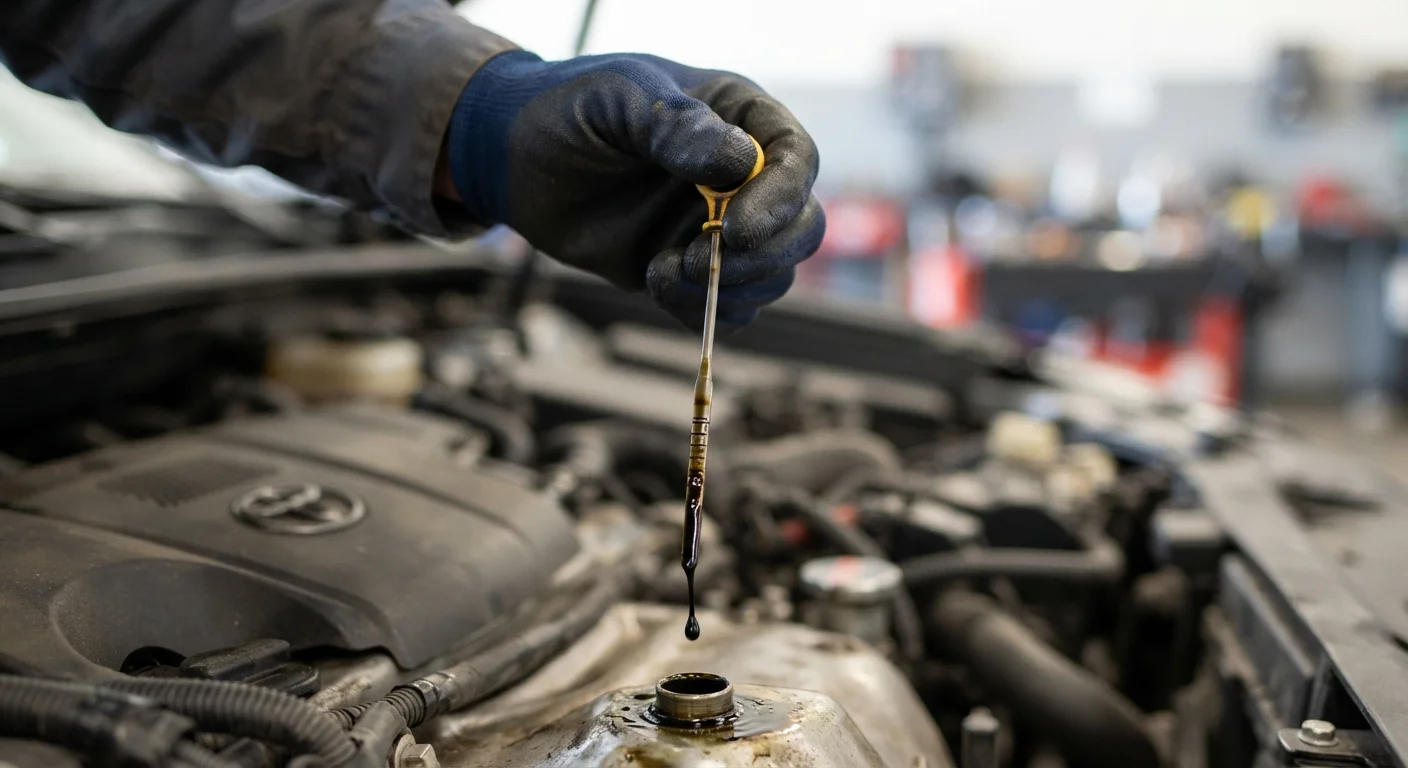
Photo: DockedReads.com | Information Made Easy editorial
Key Takeaways
- The 3,000-mile oil change rule is outdated for most modern vehicles.
- Your owner's manual — not a quick-lube reminder sticker — is the authoritative source for your specific interval.
- Driving conditions such as frequent short trips, towing, or extreme temperatures can shorten recommended intervals.
- Many newer cars include an oil life monitoring system that calculates when a change is actually needed.
- Using the correct oil type specified for your engine is as important as the timing of the change.
Why Engine Oil Doesn't Last Forever
Motor oil has two core jobs: lubricate moving metal parts to reduce friction, and carry away heat and combustion byproducts. Over time, both functions degrade. Exposure to high temperatures causes the oil's base molecules to break down — a process called oxidation. Simultaneously, soot, moisture, fuel dilution, and metal particles accumulate in the oil, overwhelming the detergent and dispersant additives engineered to neutralize them.
The result is oil that becomes thicker, more acidic, and less able to flow through tight engine clearances. When oil can no longer form a stable protective film between moving surfaces, wear accelerates. This is the fundamental reason oil changes are necessary — not because oil gets dirty in a cosmetic sense, but because its chemistry and physical properties deteriorate with use.
Oil Color Is Not a Reliable Indicator
Where the 3,000-Mile Rule Came From — and Why It No Longer Applies
The 3,000-mile interval became automotive folklore during the era of older engine designs, conventional oil formulations, and looser manufacturing tolerances. Under those conditions, it was a reasonable conservative guideline. Quick-lube businesses reinforced it heavily through marketing, and the number stuck in the public consciousness long after the underlying conditions changed.
Modern engines are machined to tighter tolerances, run cleaner combustion, and are designed around more advanced lubricants. Synthetic and synthetic-blend oils — now standard or recommended in millions of vehicles — contain additive packages that remain effective far longer than earlier formulations. Automakers routinely specify intervals of 5,000 to 10,000 miles for conventional oil and up to 15,000 miles for full synthetic in some models. Changing oil at 3,000 miles in these vehicles discards oil that still has substantial service life remaining. For more on how oil types affect longevity, see our comparison of conventional vs. synthetic motor oil.
5,000–10,000 mi
Typical modern oil change interval
Most major automakers now specify intervals of 5,000 to 10,000 miles for conventional oil in current vehicle models, with full synthetic intervals often extending further.
Up to 15,000 mi
Extended synthetic oil interval (select models)
Certain vehicles using full synthetic oil and oil life monitoring systems carry manufacturer-approved intervals as high as 15,000 miles between changes.
~1 billion
Gallons of oil changed annually in the US
The US EPA has noted that Americans generate enormous volumes of used motor oil each year, underscoring the environmental importance of avoiding unnecessarily frequent changes.
What Actually Determines Your Interval
Several factors shape how quickly oil degrades in a specific vehicle:
- Oil type: Full synthetic oil generally lasts longer than conventional oil under equivalent conditions.
- Engine design: High-performance, turbocharged, or diesel engines often place greater thermal stress on oil and may require more frequent changes or a specific oil grade.
- Driving patterns: Short trips that don't allow the engine to fully warm up prevent moisture from evaporating out of the oil, accelerating degradation. This is classified as severe or harsh service by most manufacturers.
- Climate: Sustained high temperatures or very cold starts both affect how quickly oil breaks down or thickens.
- Towing and load: Pulling a trailer or carrying heavy cargo raises engine temperatures and accelerates oil degradation.
Many modern vehicles address this complexity with an oil life monitoring system (OLMS) — an onboard algorithm that tracks engine starts, temperatures, RPM patterns, and mileage to estimate remaining oil life as a percentage. When the system prompts a change, the oil has genuinely reached the end of its effective service window for those specific conditions.
Check Your Oil Level Between Changes
Using Your Owner's Manual as the Authoritative Source
The single most reliable guide to your vehicle's oil change interval is the owner's manual. Manufacturers invest significant engineering resources into determining service schedules, and those recommendations account for your specific engine, approved oil specifications, and expected operating conditions. The manual typically lists both a normal interval and a shorter severe service interval — review your driving patterns honestly to determine which applies.
Staying current with oil changes is also part of broader routine upkeep. Our annual car ownership tasks checklist covers other maintenance items that are easy to overlook alongside oil. Consistent upkeep also has a practical financial dimension: well-documented maintenance history can slow the rate at which a vehicle loses resale value over time.
Frequently Asked Questions
The content on this site is for informational purposes only and is not a substitute for professional advice. Always consult a qualified professional for guidance specific to your situation.