
Sun, Altitude, and Heat: Environmental Health Risks by Destination Type

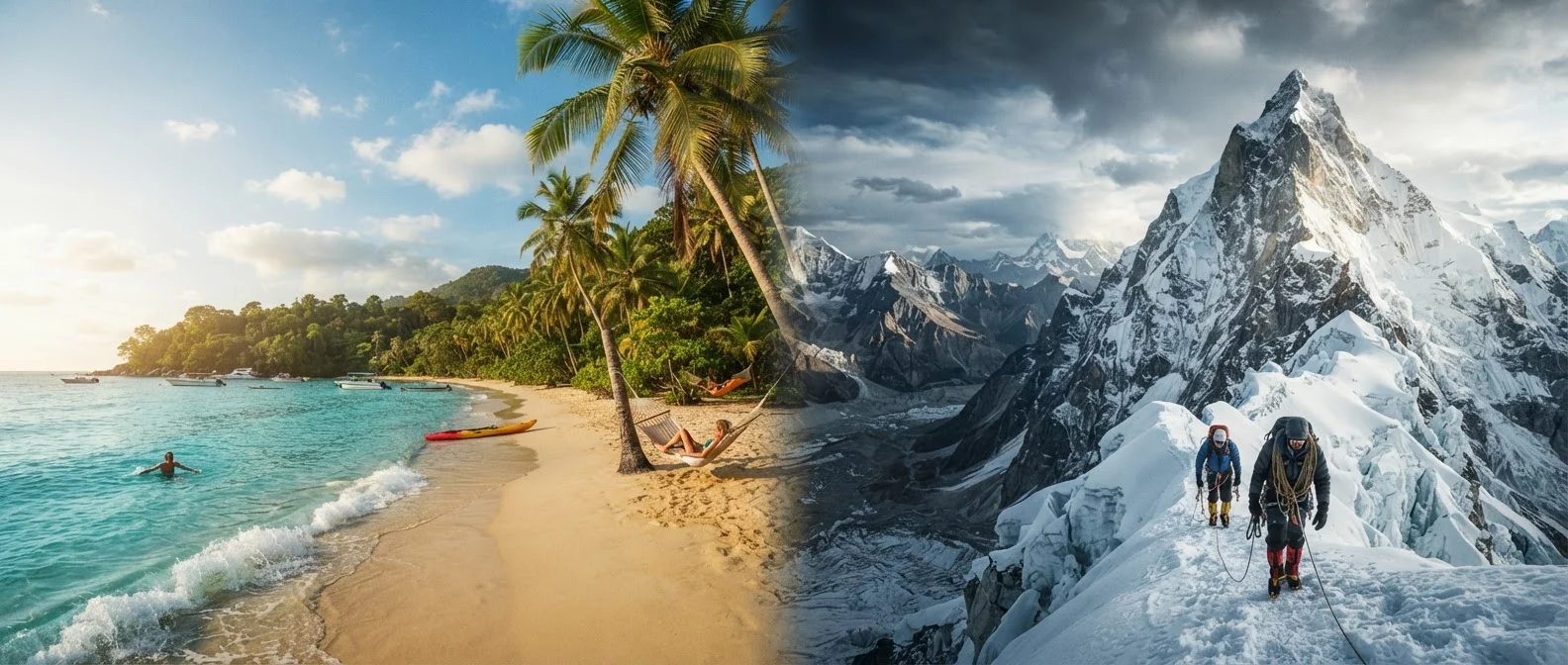
Photo: DockedReads.com | Information Made Easy editorial
Why Destination Type Changes Your Health Risk Profile
Most travelers pack sunscreen and call it preparation. But the environmental hazards you'll encounter on a mountain trek differ fundamentally from those on a humid coastal holiday — and conflating them can leave you genuinely underprepared. Altitude sickness, UV amplification, heat-related illness, and humidity-driven infection risk each operate by different mechanisms and demand different responses.
This reference is designed to help you understand which hazards cluster around which terrain and climate types, so you can take that knowledge into your trip planning. It is general health information only — not medical advice. Before any trip involving significant environmental exposure, particularly if you have an underlying health condition, consult a qualified healthcare provider.
International trips often amplify these risks because you may be crossing climate zones, adjusting to altitude, or entering unfamiliar disease environments all at once. But domestic destinations carry genuine hazards too — a summer hike in the American Southwest or a ski trip to Colorado both warrant environmental health awareness.
High-Altitude Destinations: Thin Air and UV Exposure
Destinations above roughly 8,000 feet present two compounding hazards: reduced atmospheric oxygen and intensified ultraviolet radiation. Acute Mountain Sickness (AMS) is the most common altitude-related condition and can affect otherwise healthy adults who ascend too quickly. Symptoms typically include headache, fatigue, nausea, and disrupted sleep. More serious forms — High Altitude Pulmonary Edema (HAPE) and High Altitude Cerebral Edema (HACE) — are medical emergencies requiring immediate descent and professional care.
UV radiation increases by roughly 10–12% for every 1,000 meters of elevation gain, according to the World Health Organization, because there is less atmosphere to filter solar radiation. Snow and ice further intensify exposure by reflecting UV back upward. Travelers in alpine environments should treat sun protection as a priority regardless of temperature — cold conditions can mask the sensation of burning.
Acute Mountain Sickness (AMS)
A common condition caused by rapid ascent to high altitude, where reduced oxygen levels trigger symptoms including headache, nausea, and fatigue. It is generally reversible with rest or descent.
Heat exhaustion
A heat-related illness characterized by heavy sweating, weakness, and cool, pale skin, typically resulting from prolonged exposure to high temperatures. It requires prompt cooling and hydration and can progress to heat stroke if untreated.
UV Index (UVI)
A standardized scale developed by the WHO to measure the intensity of ultraviolet radiation at the Earth's surface on any given day. Higher values indicate greater risk of skin and eye damage from sun exposure.
Acclimatization
The physiological process by which the body gradually adapts to a new environment, such as higher altitude or extreme heat. It typically takes several days and reduces but does not eliminate environmental health risk.
For those managing ongoing health conditions, altitude demands particular care. Traveling with a chronic condition such as a heart or lung disorder may require a physician's sign-off before visiting high-elevation destinations, since reduced oxygen availability places additional strain on cardiopulmonary systems.
Tropical and Coastal Destinations: Heat, Humidity, and Waterborne Risk
Hot, humid climates present a different hazard cluster. Heat exhaustion and heat stroke are real risks when travelers overexert themselves in high temperatures, especially in the first few days before any acclimatization occurs. The body's ability to cool itself through sweating is less efficient in high humidity, making apparent temperature feel — and function — considerably higher than the thermometer reading.
~80%
UV radiation that penetrates cloud cover
According to the Skin Cancer Foundation, overcast skies offer far less protection than most travelers assume.
10–12%
UV radiation increase per 1,000 m elevation gained
Cited by the World Health Organization as a key reason alpine travelers face elevated burn and skin damage risk.
104°F+
Core body temp signaling heat stroke emergency
The U.S. Centers for Disease Control and Prevention identifies this threshold as requiring immediate emergency care.
Tropical and subtropical destinations also carry elevated risks from waterborne and insect-borne illness. Travelers should verify current health advisories and recommended vaccinations with official sources such as the U.S. Centers for Disease Control and Prevention (CDC) and consult a travel health clinic well ahead of departure. A pre-trip health checklist is a practical starting point for ensuring vaccinations, prescriptions, and protective measures are in order.
Coastal UV exposure can be severe even on overcast days, as up to 80% of UV radiation penetrates cloud cover. Reflected UV from water and sand adds further exposure. Sunscreen, protective clothing, and midday shade are consistently recommended by dermatological and public health authorities.
Humidity Changes How Heat Feels — and Harms
Timing your visit thoughtfully also matters. Shoulder seasons in tropical regions often mean reduced heat intensity and lower mosquito pressure — worth weighing against crowd and cost considerations. Solo travelers face additional vulnerability when illness or injury strikes far from familiar support systems; solo health safety deserves specific planning attention.
This article is for general informational purposes only and does not constitute medical advice. Always consult a qualified healthcare professional before making health-related decisions for your trip.
The content on this site is for informational purposes only and is not a substitute for professional advice. Always consult a qualified professional for guidance specific to your situation.