
The Traveler's Pre-Trip Health Checklist

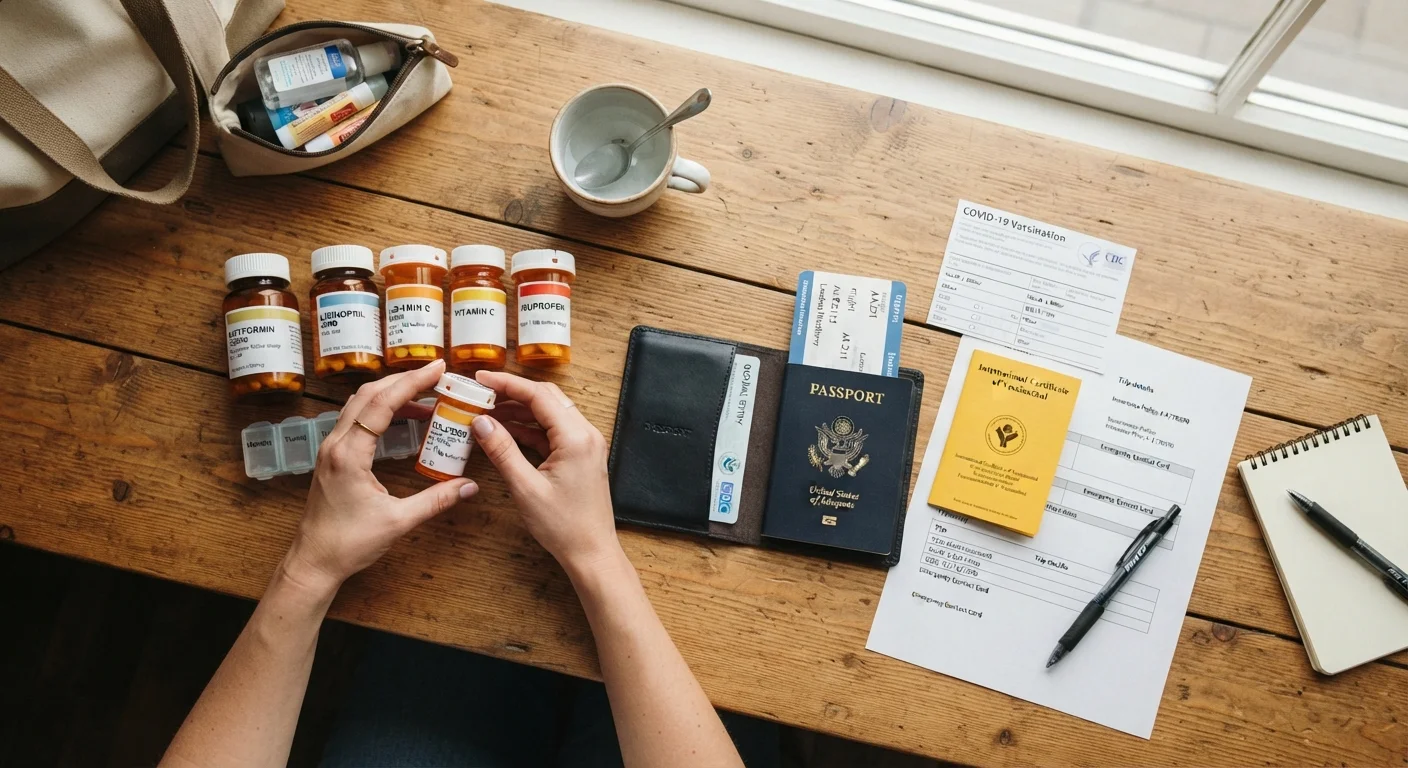
Photo: DockedReads.com | Information Made Easy editorial
Key Takeaways
- Schedule a pre-travel health consultation at least 4–6 weeks before international trips.
- Carry copies of all prescriptions and a written summary of your medical history.
- Verify required and recommended vaccinations using official sources before departure.
- Travel insurance with medical evacuation coverage is worth understanding before any trip.
- Mental wellness and fatigue management deserve as much planning as physical health.
Why Your Health Deserves Its Own Pre-Trip Checklist
Most travelers spend hours researching restaurants and accommodation but give health preparation only a passing thought — a quick scan of which vaccinations might be required, and maybe tossing a box of ibuprofen into a bag. The reality is that health disruptions are among the most common reasons trips go sideways, and many of them are preventable with a modest amount of advance planning.
This checklist is designed to walk you through the practical health groundwork that applies to nearly any trip, whether you're driving two states over for a long weekend or boarding an international flight. It's organized so you can work through it in stages, starting well before departure and finishing the night before you leave. For travelers managing ongoing conditions, the guide to traveling with a chronic condition offers deeper, condition-specific planning support.
Keep in mind that this checklist provides general health information and education — it is not a substitute for advice from your own healthcare provider, who knows your individual circumstances.
Medical Consultations (4–6 Weeks Before Departure)
Prescriptions and Medications
Health Documentation
Physical Readiness and Mobility
Mental Wellness and Fatigue Planning
Tools and Resources You'll Want Nearby
Before you start working through the items below, gather what you'll need. Some steps require a few minutes on a government website; others mean a phone call to your doctor's office. Having everything in one place makes the process faster and less stressful.
CDC Travelers' Health Website (wwwnc.cdc.gov/travel)
Look up destination-specific health notices, recommended vaccinations, and disease outbreak alerts before your trip.
Your Health Insurance Card and Policy Documents
Confirm your coverage abroad and locate emergency contact numbers required for overseas medical claims.
Printed Medical Summary
A one-page document listing diagnoses, medications, allergies, and emergency contacts to share with healthcare providers if you become ill abroad.
Secure Digital Storage (cloud or encrypted app)
Store copies of prescriptions, vaccination records, and your medical summary so they're accessible even if physical documents are lost.
Travel Medicine Clinic Appointment
A specialist visit to assess destination-specific risks and administer any required or recommended vaccines.
If you're planning a trip abroad and haven't yet nailed down your entry requirements, the guide to visa types and entry requirements is a useful companion read — some countries tie vaccination proof directly to entry eligibility.
A Note on Packing Your Health Kit
Running through this checklist will naturally surface questions about what to carry with you on the trip itself. A well-assembled personal health kit can handle minor issues before they escalate, but it's easy to overpack and end up with a bag full of products you'll never touch. The breakdown of what's worth carrying versus what wastes space helps you make those calls deliberately.
For solo travelers, health preparation carries additional weight — there's no companion to help if something goes wrong. The solo travel health safety considerations article covers several angles that even experienced solo travelers tend to overlook.
Don't Wait Until the Week Before You Leave
Once your health checklist is solid, connect it to the broader pre-travel checklist covering documents, finances, and home security so nothing slips through the cracks before departure.
This article is for general informational and educational purposes only and does not constitute medical advice. Always consult a qualified healthcare professional before making decisions about your health, medications, or travel vaccinations.
The content on this site is for informational purposes only and is not a substitute for professional advice. Always consult a qualified professional for guidance specific to your situation.