
What Shapes a Destination's Shoulder Season—and Why It Often Matters More Than Peak

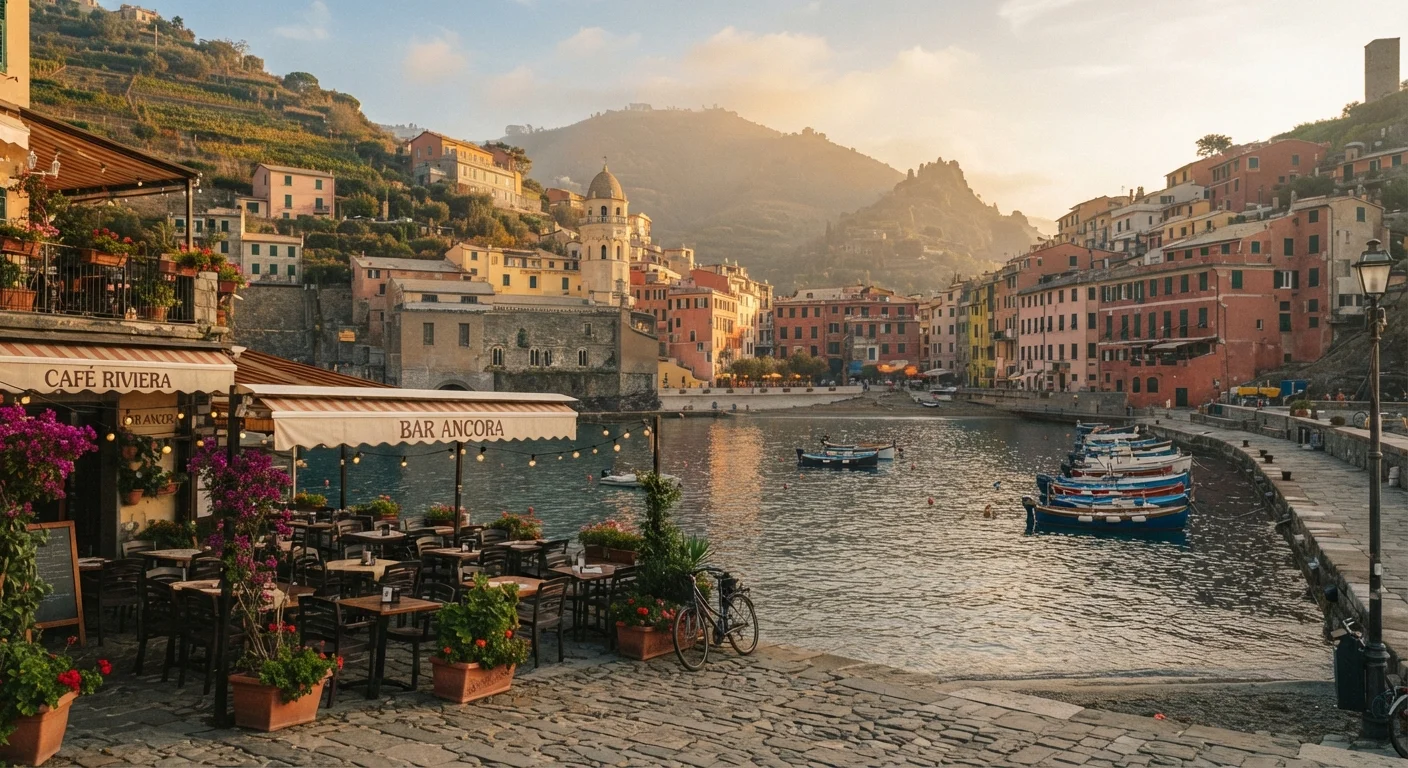
Photo: DockedReads.com | Information Made Easy editorial
Key Takeaways
- Shoulder season is shaped by climate, local events, and tourism economics — not just calendar months.
- A destination's shoulder period differs significantly based on who its peak travelers are and why they visit.
- Weather during shoulder season is transitional, meaning conditions can be favorable or unpredictable depending on the place.
- Visiting in shoulder season often means fewer crowds at major sites without the full inconveniences of off-season closures.
- Understanding shoulder season helps travelers assess a destination more honestly before committing to dates.
Why Shoulder Season Isn't Just a Calendar Concept
Most travelers encounter the phrase "shoulder season" when searching for ways to avoid summer crowds or stretch a travel budget. But the concept is more layered than a simple before-and-after bracket around a busy month. Shoulder season is, at its core, a reflection of how a destination's supply and demand actually work — and understanding it reveals something genuine about the place itself.
Consider that a ski resort's shoulder season looks nothing like a beach destination's. In a mountain town, the lull between the end of ski season and the beginning of summer hiking sees hotels half-empty and some restaurants shuttered. A coastal Mediterranean village, by contrast, might have its quietest weeks in late spring before European school holidays begin — warm days, blooming hillsides, and a rhythm of life that belongs entirely to locals. Same concept, completely different texture.
This is why travelers who've learned to read shoulder season often find they understand a destination far better than those who only see it at its most crowded. As part of building a well-planned trip, recognizing a destination's seasonal rhythm is one of the most clarifying pieces of research you can do before committing to dates.
The Forces That Actually Define a Shoulder Period
Three interlocking forces shape when a destination's shoulder season falls: climate, visitor origin, and local events.
Climate is the most obvious driver. Weather doesn't flip from perfect to difficult overnight, and the gradual transitions — warm but not sweltering, mild but occasionally rainy — define most shoulder periods. For a destination like coastal Portugal, the weeks before mid-June and after mid-September offer ocean temperatures and sunshine that many travelers find preferable to the baking heat of July. Choosing which stretch of that coastline to visit matters too, since microclimates along even a single coastline can be surprisingly different.
Visitor origin matters enormously and is often overlooked. A destination that draws heavily from European markets will peak when European school holidays fall — late July and August. The same destination may see relatively fewer American visitors during that period, meaning an American traveling in late June encounters a different crowd profile entirely. Shoulder timing is relative to who's going, not just when.
Local events — festivals, harvests, cultural calendars — can punch a destination's demand temporarily into peak territory even in a nominally shoulder month. A quiet wine region in October might be anything but quiet during a regional harvest festival. These micro-peaks are worth researching individually.
30–50%
Typical accommodation price reduction in shoulder vs. peak
Travel industry analyses consistently show significant rate differences between peak and shoulder periods, though the range varies widely by destination type and region.
2–4 weeks
Average length of a destination's shoulder window
Most destinations experience two shoulder windows per year — one on each side of peak season — each typically lasting several weeks before transitioning to off-season conditions.
What Shoulder Season Actually Feels Like on the Ground
The honest reality of shoulder travel is that conditions are genuinely transitional — which is both the appeal and the caveat. You may encounter a week of perfect weather followed by an unsettled few days. A famous viewpoint might require no advance booking at all, or a single unexpected holiday could make it surprisingly busy. The experience resists tidy prediction.
That unpredictability is part of why flexible travel planning tends to suit shoulder season particularly well. Travelers who can shift a day trip, adjust a restaurant booking, or pivot from one activity to another when rain arrives tend to come away with a richer impression of a place than those locked into rigid schedules.
It's also worth noting that shoulder season weather can carry specific environmental considerations. Transitional climates sometimes bring stronger UV exposure, variable altitude conditions, or early-season heat that builds differently than summer heat. The environmental health risks by destination type are worth understanding before you travel, especially if you're visiting a destination with significant altitude changes or intense sun exposure.
Research the Visitor Origin, Not Just the Month
Using Shoulder Season to Assess a Destination More Honestly
Perhaps the most underappreciated value of shoulder travel is diagnostic: visiting a place when it isn't performing for tourists gives you a clearer read on what it actually is. A beach town in September reveals whether local life genuinely continues when the crowds thin, or whether the whole place shuts down. A city in late spring shows you its parks, markets, and neighborhoods at a human scale that peak season can obscure entirely.
This kind of honest assessment matters for trip planning. Seasonality is one of the clearest factors shaping what a trip costs, but it also shapes what a trip feels like — whether the destination has the depth to sustain your interest, whether the infrastructure holds up when tested by real conditions rather than peak-season preparation.
For travelers planning longer journeys or multi-stop itineraries, recognizing each destination's shoulder period individually becomes essential. A multi-destination trip that crosses climate zones or mixes urban and coastal stops may encounter two or three different shoulder seasons simultaneously, each with its own logic. Understanding them separately, rather than assuming a single seasonal truth applies to the whole route, is what separates a well-researched trip from a lucky one.
Frequently Asked Questions
The content on this site is for informational purposes only and is not a substitute for professional advice. Always consult a qualified professional for guidance specific to your situation.