
Solo Travelers and Health Safety: Considerations Often Overlooked

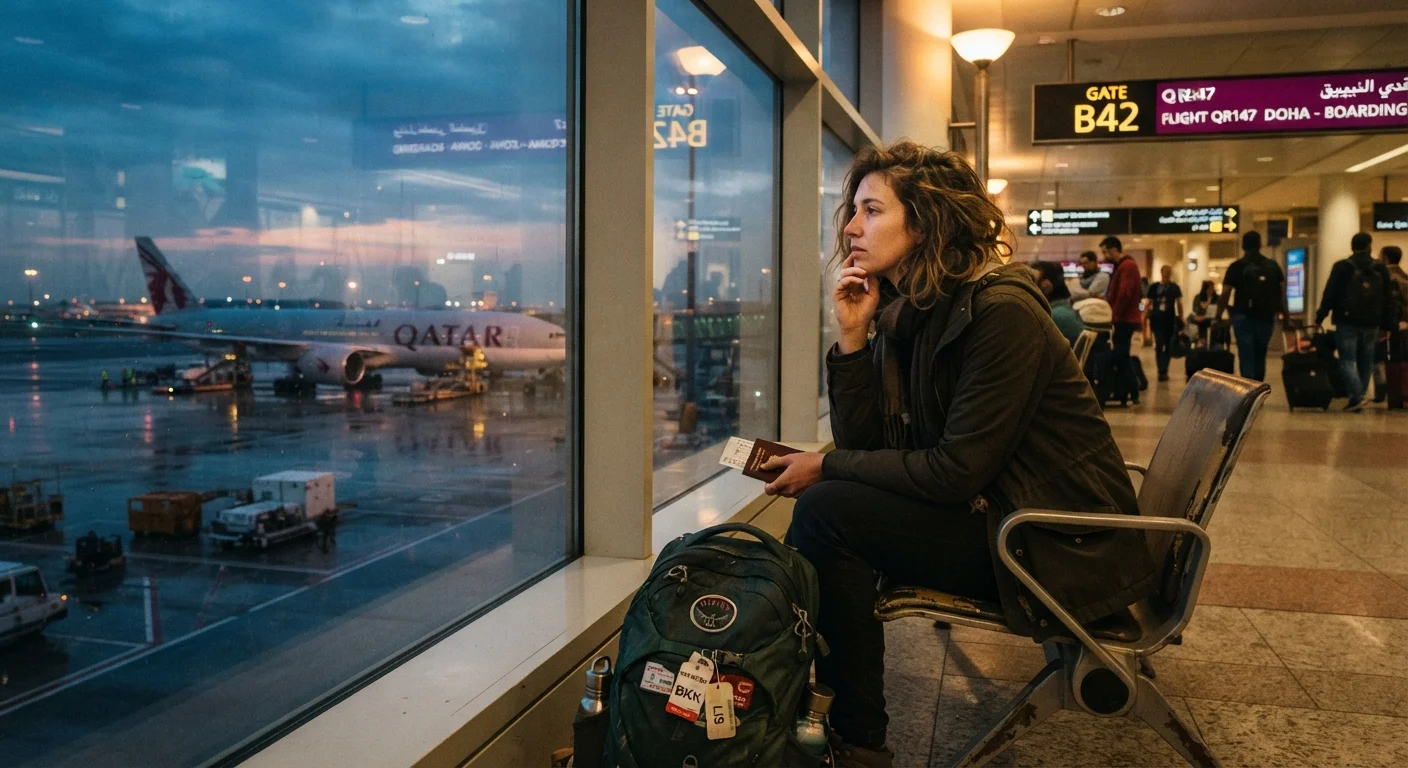
Photo: DockedReads.com | Information Made Easy editorial
Key Takeaways
- Solo travelers have no built-in backup when a health emergency strikes, making preparation more critical.
- Mental wellness challenges — including isolation and decision fatigue — are as real as physical health risks on the road.
- Medication storage, chronic condition documentation, and local healthcare awareness are frequently underplanned.
- Travel insurance that covers medical evacuation is especially important when traveling without companions.
- Knowing your own warning signs and having a check-in protocol can be genuinely life-saving.
When There's No One to Notice
Group travelers take for granted something they rarely name: the quiet safety net of being seen. A travel companion notices when you seem off — when your color is wrong, when you've been in the bathroom too long, when you've grown unusually quiet. Solo travelers don't have that. When something goes wrong, you are both the person in distress and the one who has to do something about it.
That asymmetry shapes everything. It's not a reason to avoid solo travel — for many people, going alone is the most fulfilling way to explore the world. But it does mean the standard travel-safety advice isn't quite enough. The considerations below address the gaps that solo travelers are most likely to overlook, from practical logistics to the quieter challenge of mental wellness on the road. Before any of this, a solid foundation of health preparation helps; our Traveler's Pre-Trip Health Checklist is a good place to start.
Share Your Documents Before You Leave
What Solo Travelers Need to Think Through
Know what your travel insurance actually covers
Many travelers buy travel insurance without reading what it does — and doesn't — include. For solo travelers, the critical coverage isn't trip cancellation; it's emergency medical care and, especially, medical evacuation. If you become seriously ill or injured in a remote area or a country with limited hospital infrastructure, evacuation to a facility that can properly treat you can cost tens of thousands of dollars out of pocket. Solo travelers don't have a companion who can manage that process on their behalf, so understanding your policy before you need it is essential.
Look specifically at whether your policy covers pre-existing conditions, requires pre-authorization before seeking care, and how to contact your insurer from abroad. Keep that information somewhere accessible — not just your phone, in case it's lost or dead.
Medical evacuation can cost tens of thousands of dollars — solo travelers have no companion to manage it for them.
Set up a real check-in protocol before you leave
Telling someone back home your rough itinerary is not a check-in protocol. A real protocol means a trusted contact knows where you're staying each night, has copies of your key documents, and expects to hear from you at defined intervals. It also means they know what to do — and who to contact — if they don't hear from you. This is a plan, not a text thread.
Think through who that person is realistically. They need to be reliably reachable, take the responsibility seriously, and have enough information to act. Our article on what solo travelers should confirm before booking covers how to structure this before a trip starts.
A real check-in protocol means someone knows what to do if they don't hear from you — not just that they're vaguely aware you're away.
Manage medications more deliberately than you think you need to
Running out of a critical medication abroad is a genuine medical emergency, not a minor inconvenience. Solo travelers need enough supply for the full trip plus a meaningful buffer for delays, plus a plan for what to do if medication is lost or stolen. Many medications aren't available under the same name abroad, require a local prescription, or are controlled substances with strict importation rules.
Keep medications in two separate locations — carry-on and a backup in checked luggage, or split between your bag and a money belt. Carry a letter from your prescribing physician describing your condition and medications, ideally in the language of your destination. If you manage a chronic condition, our piece on managing a chronic condition while traveling addresses the deeper logistics in detail.
Many medications aren't available under the same name abroad — running out isn't a minor inconvenience, it's a medical emergency.
Understand the local healthcare landscape before you need it
Solo travelers tend to research restaurants and neighborhoods in advance but not hospitals. Knowing in advance where the nearest reputable medical facility is — and roughly how to reach it — can meaningfully change outcomes when you're disoriented, sick, or in pain. Healthcare quality, cost structures, and what languages are spoken at facilities vary enormously by country and even by city.
Before arriving in a new destination, do a quick search for international hospitals or clinics in the area, and note the local emergency number (it's not always 911). Some countries have dedicated medical tourism infrastructure; others have very limited care outside the capital. Your travel insurer may also have a 24-hour assistance line that can direct you to appropriate care — this is worth saving before you travel, not after.
Knowing where the nearest reputable hospital is before you need it can meaningfully change outcomes when you're sick and disoriented.
Take mental wellness as seriously as physical safety
Solo travel can be deeply energizing — and it can also be isolating, disorienting, and quietly exhausting in ways that compound over time. Decision fatigue is real: when you're navigating every meal, route, accommodation, and uncertainty alone, the cumulative cognitive load can erode your judgment and your mood. Extended solo trips sometimes produce a creeping loneliness that travelers don't want to name because they feel they should be enjoying themselves.
This matters for health and safety because poor mental states affect decision-making. A traveler who is exhausted, anxious, or isolated is more likely to take shortcuts, ignore gut instincts about safety, or push through symptoms rather than rest. Our explainer on travel anxiety covers how this can appear unexpectedly even for experienced travelers. Build in genuine rest days, structured social interaction if you need it, and honest self-assessment as part of your trip planning — not as an afterthought.
Decision fatigue and isolation erode judgment — and poor mental states make solo travelers more likely to ignore warning signs.
Don't underestimate environmental and food-related risks
Environmental hazards — altitude, heat, UV exposure — affect solo travelers the same way they affect everyone, but without a companion to observe that you're getting worse. Altitude sickness can escalate while you're convinced you're fine; heat exhaustion can impair your judgment right as you need it most. Know the risks of your specific destination type before you arrive. Our reference on environmental health risks by destination type breaks these down by terrain and climate.
Food and water safety is another area where solo travelers tend to rely on confidence rather than caution. Misjudgements here are among the most common causes of illness abroad, and being sick alone — genuinely ill, not just uncomfortable — is a significantly harder experience than being sick with company. Our piece on what travelers get wrong about food and water safety covers the most common mistakes.
Being seriously ill alone abroad is a fundamentally different experience — and environmental and food risks are consistently underestimated.
When to Seek Care, Not Wait It Out
Preparation Is the Real Safety Net
The honest truth about solo travel health safety is that most of the protection happens before you leave home. Thinking through your medications, your insurance, your check-in contacts, and your mental bandwidth isn't pessimism — it's the thing that frees you to actually enjoy the trip. As you work through these considerations, our comprehensive pre-travel checklist can help ensure nothing critical slips through. Solo travel rewards those who plan thoughtfully — and the planning itself, once done, is easy to forget about entirely.
This article is for general informational purposes only and does not constitute medical advice. Always consult a qualified healthcare professional before traveling, especially if you have a pre-existing condition, and verify entry, vaccination, and health requirements with official government and provider sources before your trip.
The content on this site is for informational purposes only and is not a substitute for professional advice. Always consult a qualified professional for guidance specific to your situation.