
Signs Your Pet Is Stressed During Training (And What to Do About It)

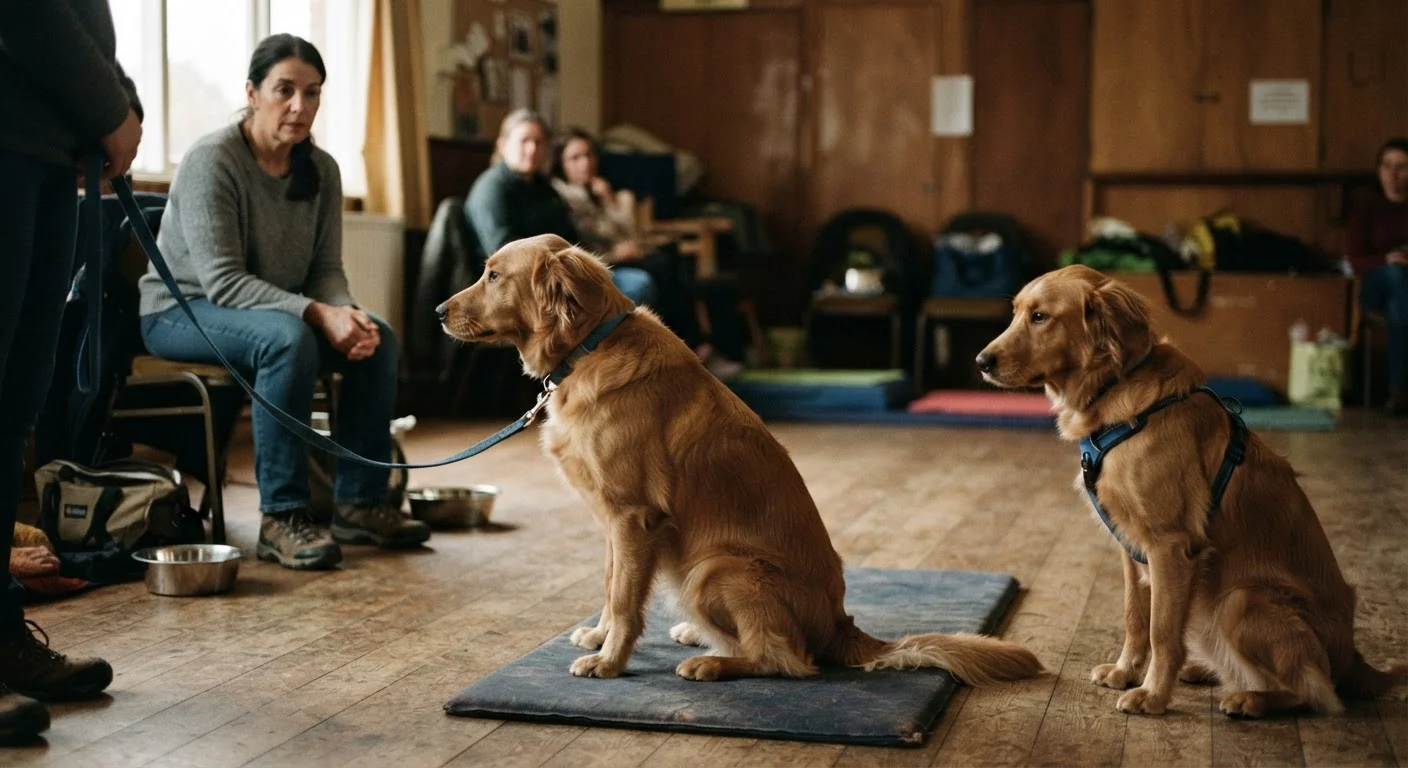
Photo: DockedReads.com | Information Made Easy editorial
Key Takeaways
- Stress signals in pets during training are often subtle and easy to misread as distraction or stubbornness.
- Dogs, cats, and small mammals each display stress differently — knowing species-specific cues matters.
- Pushing through stress rather than pausing can damage trust and slow long-term learning.
- Short, calm, reward-rich sessions consistently outperform longer, pressure-heavy ones.
- Persistent stress signals during training may indicate an underlying anxiety issue worth discussing with a vet or behaviorist.
Why stress during training matters more than you think
Training is one of the most powerful ways to build trust and communication with your pet — but only when the animal feels safe enough to engage. When stress creeps into a session, learning shuts down. The part of the brain managing survival responses takes priority over the part that processes and retains new information, a pattern supported by basic behavioral science across species.
The challenge is that many stress signals are quiet. A dog yawning mid-sit, a cat suddenly grooming, a rabbit freezing mid-hop — these can look like boredom or distraction to an untrained eye. But they're often the animal's way of saying this is too much. Learning to read these cues is the first step toward keeping training humane and enjoyable for both of you.
The checklist below covers the most common stress signals by species group and gives you concrete in-session and structural adjustments to protect your pet's wellbeing — and your training progress.
High-value training treats
Soft, small, species-appropriate treats serve as reliable positive reinforcers and double as a real-time stress gauge — a pet refusing their favorite food is a clear warning sign.
Clicker or marker word
A consistent marker (click or verbal cue like 'yes') helps communicate precisely which behavior earned a reward, reducing confusion and the frustration that feeds stress.
Training log or notebook
Tracking which behaviors, environments, or session lengths trigger stress signals helps you identify patterns and make targeted adjustments over time.
Video recording device
Recording sessions lets you review your pet's subtle body language cues that are easy to miss in real time, especially useful when learning to read stress signals.
The full stress-signal checklist
Work through each group below. If you recognize three or more signals in a single species category, it's worth reviewing your session structure and — if signals are persistent — speaking with a veterinary behaviorist. Different species communicate differently, so it helps to also consult resources on how training needs vary across species.
Stress signals to watch for in dogs
Stress signals to watch for in cats and small mammals
In-session adjustments when stress is detected
Structural changes to prevent training stress
Persistent stress may signal a deeper issue
For owners noticing signs that go beyond training sessions — such as chronic hiding, elimination changes, or over-grooming at rest — the broader picture of stress and anxiety causes owners often overlook is worth exploring. Physical symptoms that accompany stress should also prompt a check of physical symptoms that warrant a vet call.
Stress signals are not stubbornness or defiance
Aversive tools carry documented welfare risks
This article is for general informational and educational purposes only and is not a substitute for professional veterinary or behavioral advice. If your pet is showing significant signs of fear, anxiety, or stress, consult a licensed veterinarian or certified veterinary behaviorist.
The content on this site is for informational purposes only and is not a substitute for professional advice. Always consult a qualified professional for guidance specific to your situation.