
Reading the Signs: Physical Symptoms in Pets That Warrant a Vet Call

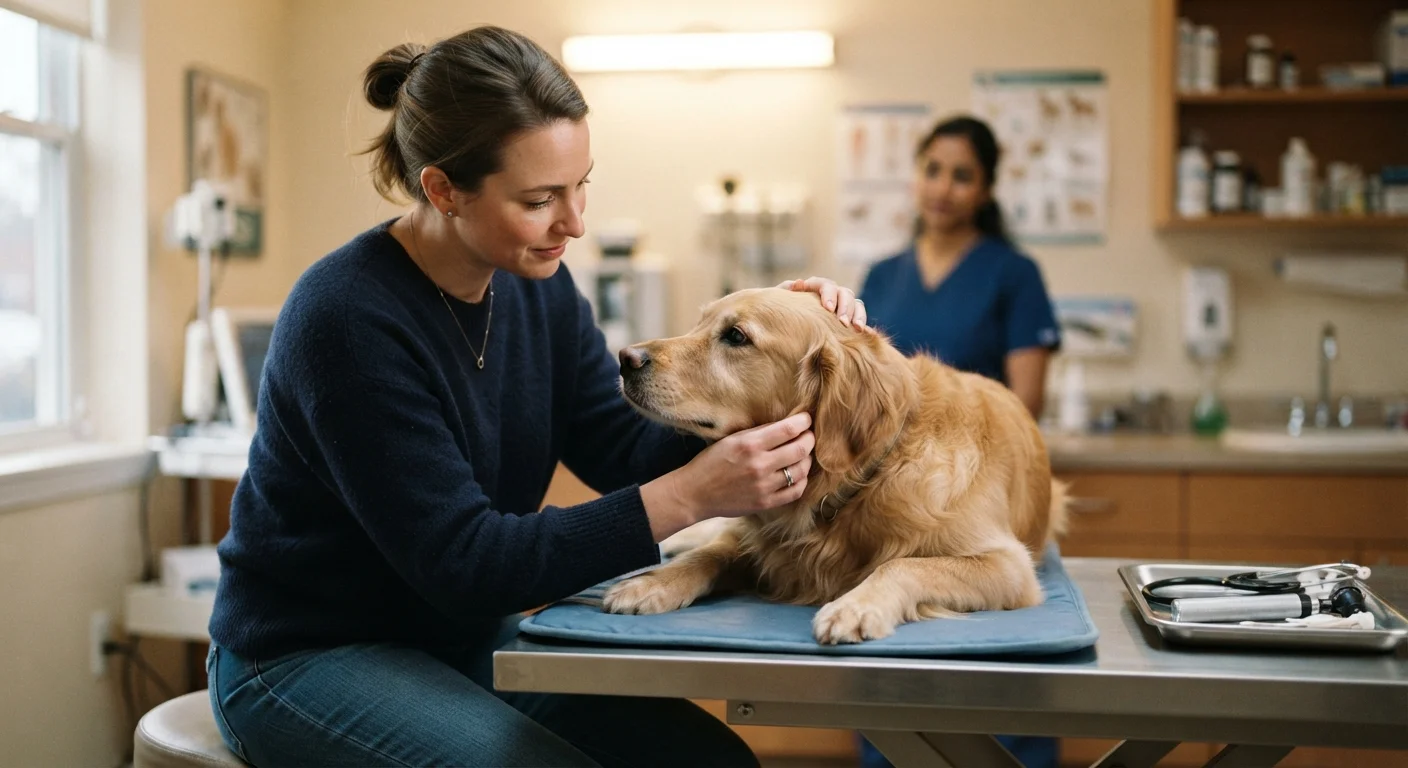
Photo: DockedReads.com | Information Made Easy editorial
Why Physical Symptoms Deserve a Second Look
Pets cannot describe how they feel, which means owners must do the observing. The challenge is distinguishing between a minor, self-resolving issue and a symptom that signals something serious. Most veterinarians agree that when in doubt, a call to the clinic is always the right move—early intervention routinely leads to better outcomes than a watchful wait that goes too long.
This guide is organized as a practical reference: consult it when you notice something off about your cat or dog, and use it to decide how urgently you need professional help. It is not a substitute for veterinary evaluation. Always consult a licensed veterinarian for any health concern specific to your pet.
Symptoms That Are Always an Emergency
The following signs require immediate veterinary or emergency care—do not wait to see if they resolve on their own.
- Difficulty breathing: Open-mouth breathing in cats (outside of panting during heat), labored chest heaving, or blue-tinged gums are oxygen-crisis signals.
- Collapse or sudden inability to stand: Can indicate heart failure, internal bleeding, or neurological events.
- Uncontrolled bleeding: Wounds that do not slow with direct pressure within a few minutes.
- Suspected poisoning: Tremors, excessive drooling, vomiting after known or suspected toxin exposure. Contact the ASPCA Animal Poison Control Center (888-426-4435) and your vet simultaneously.
- Bloated, distended abdomen with distress: In large or deep-chested dogs, this combination may indicate gastric dilatation-volvulus (GDV), a life-threatening condition.
- Seizures lasting more than two minutes, or multiple seizures in 24 hours.
- Straining to urinate with no output: Especially in male cats, this can indicate a urinary blockage—a fatal emergency if untreated within hours.
When to Use a 24-Hour Emergency Clinic
Symptoms That Warrant a Same-Day or Next-Day Call
These signs are not necessarily emergencies, but they should prompt a veterinary conversation within 24 hours rather than a wait-and-see approach.
Hepatic Lipidosis
A potentially fatal liver condition in cats triggered by prolonged lack of eating, where fat accumulates in liver cells and impairs function. It develops faster in overweight cats.
Gastric Dilatation-Volvulus (GDV)
A life-threatening emergency in which a dog's stomach fills with gas and twists on itself, cutting off blood supply. It requires immediate surgical intervention.
Jaundice (Icterus)
A yellowing of the skin, eyes, or mucous membranes caused by elevated bilirubin levels, often indicating liver, gallbladder, or red blood cell problems.
Hyperthyroidism
A condition, common in older cats, in which the thyroid gland produces excessive hormone. Signs include weight loss despite a good appetite, increased thirst, and restlessness.
- Vomiting or diarrhea more than twice in a day, or any vomiting or diarrhea containing blood.
- Refusal to eat for more than 24 hours (cats especially: prolonged anorexia risks hepatic lipidosis, a serious liver condition).
- Limping or reluctance to bear weight that does not resolve after a few minutes of rest.
- Excessive thirst and urination: Classic early markers for diabetes mellitus and chronic kidney disease in both dogs and cats.
- Sudden weight loss without a dietary change—particularly in cats, this can indicate hyperthyroidism or kidney disease.
- Eye discharge, cloudiness, or squinting in one or both eyes; eye conditions can deteriorate rapidly.
- Head shaking or repeated ear scratching, which often signals infection or a foreign body in the ear canal.
For older animals, these thresholds shift. Senior pets have less physiological reserve, making early intervention even more important. Similarly, behavioral changes like increased hiding or sudden aggression can be physical-pain indicators—see our guide on stress and anxiety in cats and dogs for more context.
Subtle Signs Owners Commonly Miss
Some of the most clinically significant changes are easy to dismiss as personality quirks or normal aging. Pay attention to:
- Changes in posture or gait: Hunching, reluctance to jump, or a stiff walk can reflect musculoskeletal or abdominal pain.
- Altered grooming habits: Cats that stop grooming may be in pain or feeling unwell; over-grooming can indicate skin irritation or anxiety.
- Changes in vocalization: Increased yowling in cats (especially at night) or sudden whimpering in dogs may communicate discomfort.
- Pale, yellow, or tacky gums: Gum color is a fast clinical check—healthy gums are pink and moist. Pale gums suggest shock or anemia; yellow gums point to jaundice.
Understanding your pet's baseline is the foundation of good monitoring. Annual wellness visits give veterinarians the chance to establish that baseline and catch gradual changes you might not notice day to day. For cats specifically, reading body language is an equally valuable layer of information alongside physical symptoms.
~1 in 3
Pets affected by a serious illness annually
According to the American Veterinary Medical Association, roughly one in three pets will experience a significant health event each year.
24–48 hrs
Window before anorexia becomes medically urgent
Veterinary guidelines generally recommend a vet call if a cat refuses food for more than 24 hours, or a dog for more than 48 hours.
This article is for general informational purposes only and is not a substitute for professional veterinary advice, diagnosis, or treatment. Always consult a licensed veterinarian with questions about your pet's health.
The content on this site is for informational purposes only and is not a substitute for professional advice. Always consult a qualified professional for guidance specific to your situation.