
Keeping Training Humane, Effective, and Enjoyable for Both of You

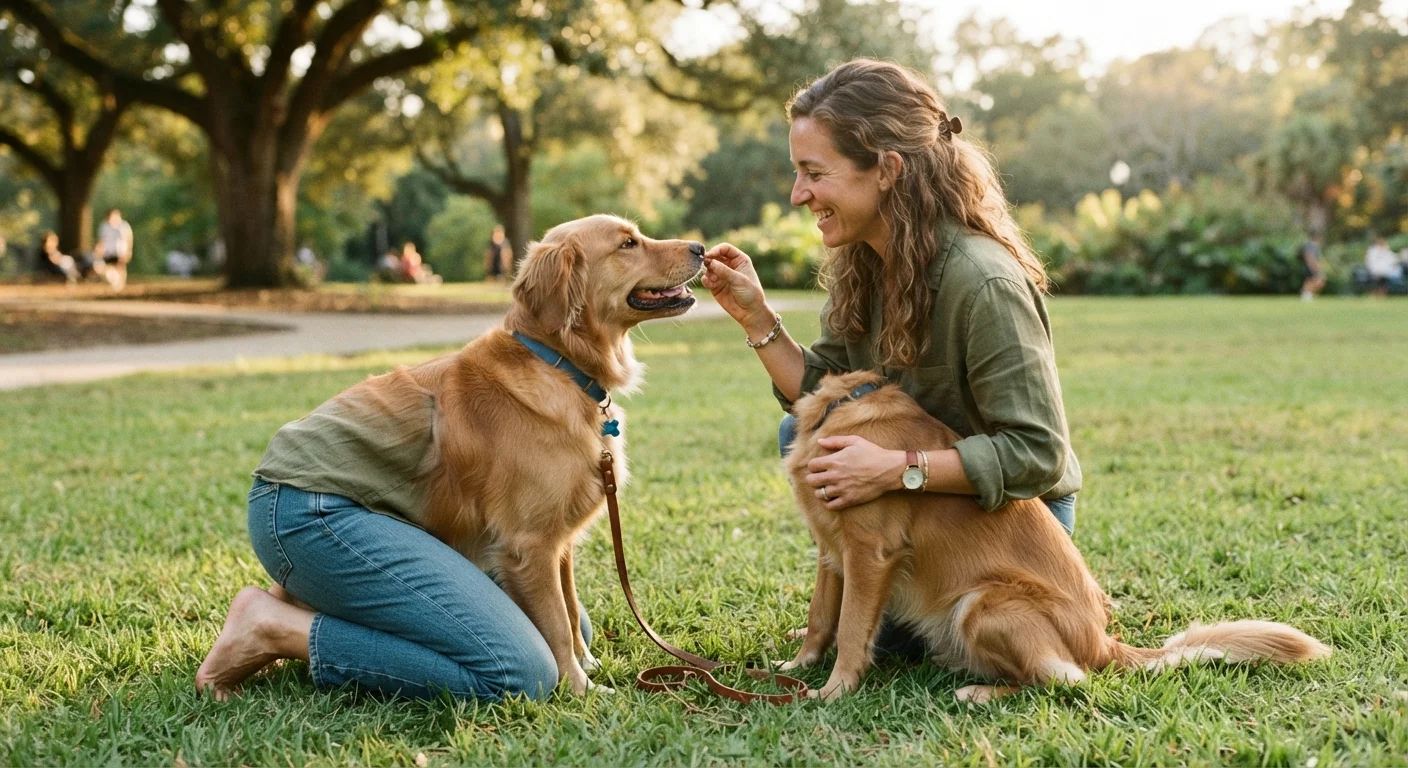
Photo: DockedReads.com | Information Made Easy editorial
Key Takeaways
- Short, focused training sessions are more effective than long, exhausting ones for most animals.
- Reward timing matters — reinforcement delivered within seconds of the behavior is far more meaningful.
- Reading your pet's stress signals prevents frustration and keeps sessions productive.
- Punishment-based methods carry documented risks to animal welfare and the human-animal bond.
- Consistency across all household members is one of the strongest predictors of training success.
Why Humane Training Matters — and What the Science Says
Effective pet training is no longer just a matter of opinion — decades of behavioral science have shaped a clear evidence base. Research consistently shows that positive reinforcement (rewarding desired behavior) produces reliable results across species while preserving the animal's emotional wellbeing. Methods that rely on fear, pain, or intimidation may suppress behavior in the short term, but they carry real risks: increased anxiety, fear-based aggression, and damaged trust between pet and owner.
Understanding the foundational concepts behind how animals learn is the first step. Our guide to the building blocks of a well-behaved pet covers reinforcement, timing, and environment in detail. What follows here are the practical principles that keep training humane, effective, and genuinely enjoyable for everyone involved.
Structuring Sessions for Success
How you design your training sessions has an outsized effect on outcomes. Animals — particularly those new to structured learning — benefit from short, predictable interactions rather than marathon drills. Most dogs and cats absorb new skills best in sessions of three to five minutes, repeated two or three times daily. Fatigue and frustration are learning's biggest enemies.
Session endings matter too. Always aim to close on a success, even if that means reverting to a skill your pet already knows well. This reinforces confidence and ensures the animal associates training with positive outcomes. Different species have distinct learning profiles — see our comparison of training across dogs, cats, birds, and small mammals for species-specific guidance.
Reading Your Animal and Handling Setbacks
One of the most underrated training skills is knowing when to stop. Animals communicate stress, confusion, and disengagement through body language — a dog that repeatedly looks away, yawns excessively, or flattens its ears during a session is telling you something important. Pushing through these signals typically deepens the problem rather than resolving it.
Stress Signals Vary by Species
Setbacks are a normal part of the learning process, not evidence of failure. When a behavior breaks down, trainers typically look to three causes: the environment became too distracting, the task jumped in difficulty too quickly, or the reward is no longer motivating. Each has a straightforward fix. Revisit simpler steps, reduce distractions, or experiment with higher-value reinforcers. Consistency across all people in the household is equally critical — mixed signals from different family members are among the most common reasons progress stalls.
73%
Owners reporting faster learning with consistent cues
A survey published in the journal Applied Animal Behaviour Science found that households using consistent verbal cues across all family members reported significantly faster skill acquisition in their dogs.
2–3x
More effective short vs. long training sessions
Behavioral research on animal learning suggests distributed short practice sessions produce retention rates two to three times higher than single extended sessions of equivalent total time.
For complex behaviors like a reliable stay cue, incremental progression is essential. Our step-by-step guide to teaching a stay illustrates exactly how to build skills gradually without overwhelming your dog.
Keeping It Enjoyable — for Both of You
Training is most sustainable when it feels less like work and more like a shared activity. Owners who genuinely enjoy sessions tend to train more frequently, which accelerates progress. Playfulness, brief breaks, and varied reward types — including praise, play, and food — keep animals engaged and prevent the routine from becoming stale.
“The purpose of training is not to produce perfect obedience but to build a relationship — one in which the animal has learned that its behavior reliably influences outcomes in a positive way.”
— Dr. Karen Overall, Veterinary behaviorist and author of 'Clinical Behavioral Medicine for Small Animals'
Remember that your pet's overall health influences their capacity to learn and engage. A comfortable, well-nourished animal is a more responsive training partner. Explore advice on feeding your pets a balanced diet and essential pet health and care guidance to ensure your animal's foundational needs are met. When training feels like a chore, take a break — your attitude is visible to your pet, and negative emotional states are contagious across species.
This article is for general informational and educational purposes only. For concerns about your pet's behavior, health, or welfare, consult a qualified veterinarian or a certified animal behavior professional.
The content on this site is for informational purposes only and is not a substitute for professional advice. Always consult a qualified professional for guidance specific to your situation.