
Stress and Anxiety in Cats and Dogs: Causes Owners Often Overlook

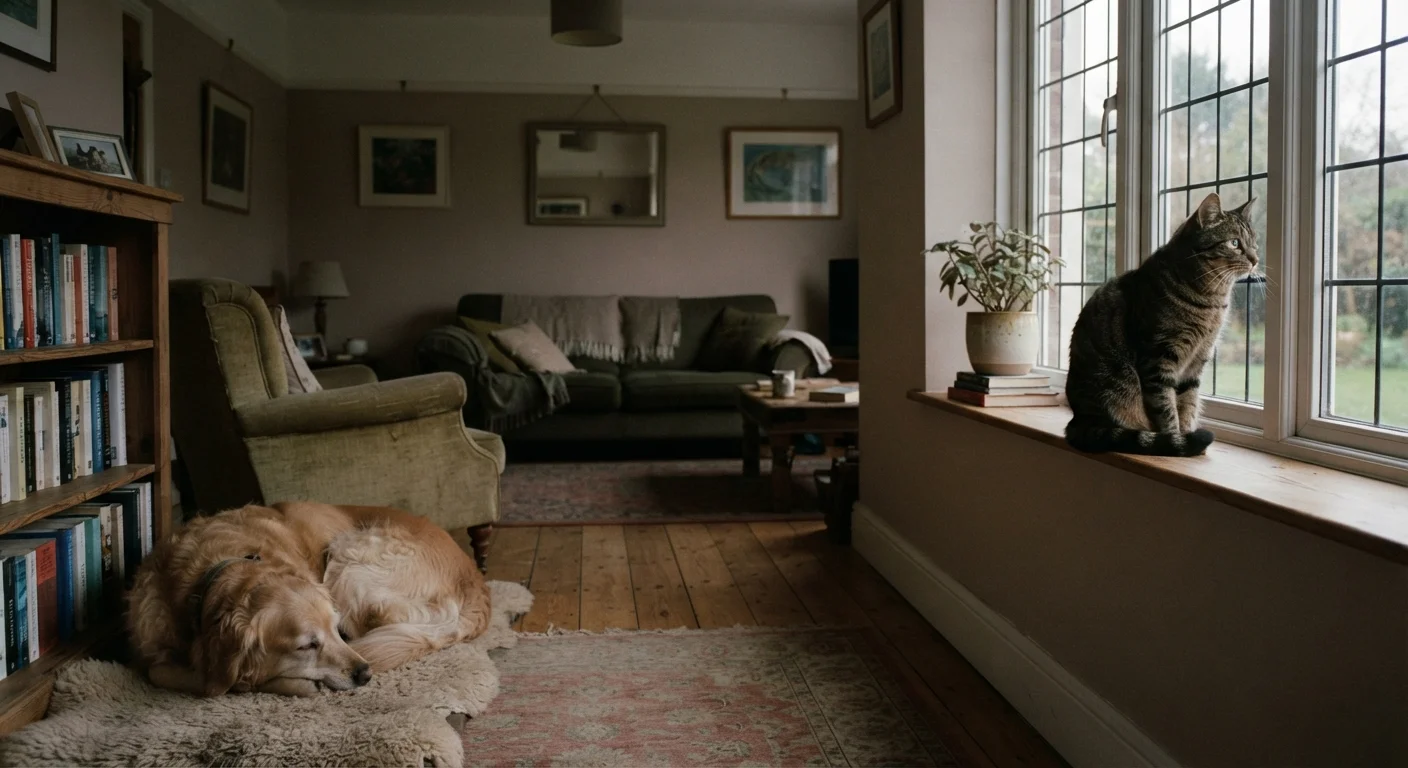
Photo: DockedReads.com | Information Made Easy editorial
Key Takeaways
- Chronic stress in pets can manifest as physical symptoms, not just behavioral changes.
- Many common household triggers — like scent changes or schedule shifts — go unrecognized by owners.
- Early identification and a veterinary consultation lead to better outcomes for anxious animals.
- Punishment-based responses to stress behaviors can worsen anxiety significantly.
- Both cats and dogs communicate stress through subtle body language most owners miss.
Why Pet Stress Is So Frequently Missed
Stress and anxiety in cats and dogs rarely announce themselves dramatically. Unlike a limping leg or a visible wound, chronic psychological distress tends to surface gradually — through shifts in appetite, altered sleep patterns, or low-level behavioral changes that owners attribute to aging, boredom, or personality quirks. By the time many pet owners seek veterinary guidance, the animal has been experiencing sustained stress for weeks or months.
Understanding the less obvious triggers is the first step. Environmental stressors like new household scents, construction noise, altered feeding schedules, or even a rearranged piece of furniture can activate a threat response in sensitive animals. For cats in particular, the indoor environment is their entire territory, making it especially vulnerable to disruption. See our guide to indoor vs. outdoor cats for context on how environment shapes feline wellbeing.
Dogs, meanwhile, are highly attuned to their owners' own emotional states. Research in animal behavior suggests that dogs can detect cortisol changes in humans, meaning household tension — even when not directed at the pet — may contribute to canine anxiety. The Pet Training & Behavior hub covers broader strategies for understanding what drives your pet's responses.
Dismissing subtle behavioral changes as normal aging or personality traits.
Overlooking household scent and sound changes as significant stressors.
Using punishment or correction when a stressed pet displays unwanted behavior.
Assuming a pet is fine because it isn't vocalizing or showing obvious fear.
Treating physical symptoms without investigating stress as a contributing cause.
Physical Consequences Owners Underestimate
Stress is not just a behavioral issue — it has measurable physical effects. Chronically stressed cats are more prone to feline idiopathic cystitis (FIC), a painful bladder condition strongly linked to psychological stress rather than infection. Dogs under sustained anxiety often show gastrointestinal disruption, skin conditions from excessive licking, and suppressed immune function.
~70%
Dogs showing anxiety-related behaviors
A large-scale study published in Scientific Reports found that approximately 72% of dogs showed some form of anxiety-related behavior, with noise sensitivity being the most common.
~50%
Feline lower urinary tract cases linked to stress
Veterinary research estimates that feline idiopathic cystitis, strongly associated with psychosocial stress, accounts for around half of lower urinary tract disease cases in cats under 10 years old.
Compounding the problem, some physical stress responses get treated medically without addressing the underlying cause. A cat prescribed urinary medication without environmental modification, or a dog given anti-itch treatments for stress-induced overgrooming, may see only partial, temporary improvement. Our guide to physical symptoms that warrant a vet call can help you distinguish stress-related signs from other medical concerns.
Don't Self-Prescribe Calming Supplements
Learning to read body language accurately is foundational. The cat body language field guide offers detailed guidance on interpreting feline posture and signals. For training contexts specifically, recognizing stress during training addresses how anxiety can interfere with learning and what to do about it. If stress persists despite environmental adjustments, consult a veterinarian or a board-certified veterinary behaviorist for a personalized assessment.
This article is for general informational purposes only and is not a substitute for professional veterinary advice. Always consult a qualified veterinarian regarding your pet's health and behavior.
The content on this site is for informational purposes only and is not a substitute for professional advice. Always consult a qualified professional for guidance specific to your situation.