
The Vet Visit Experience Through Your Pet's Eyes—and How to Make It Less Stressful

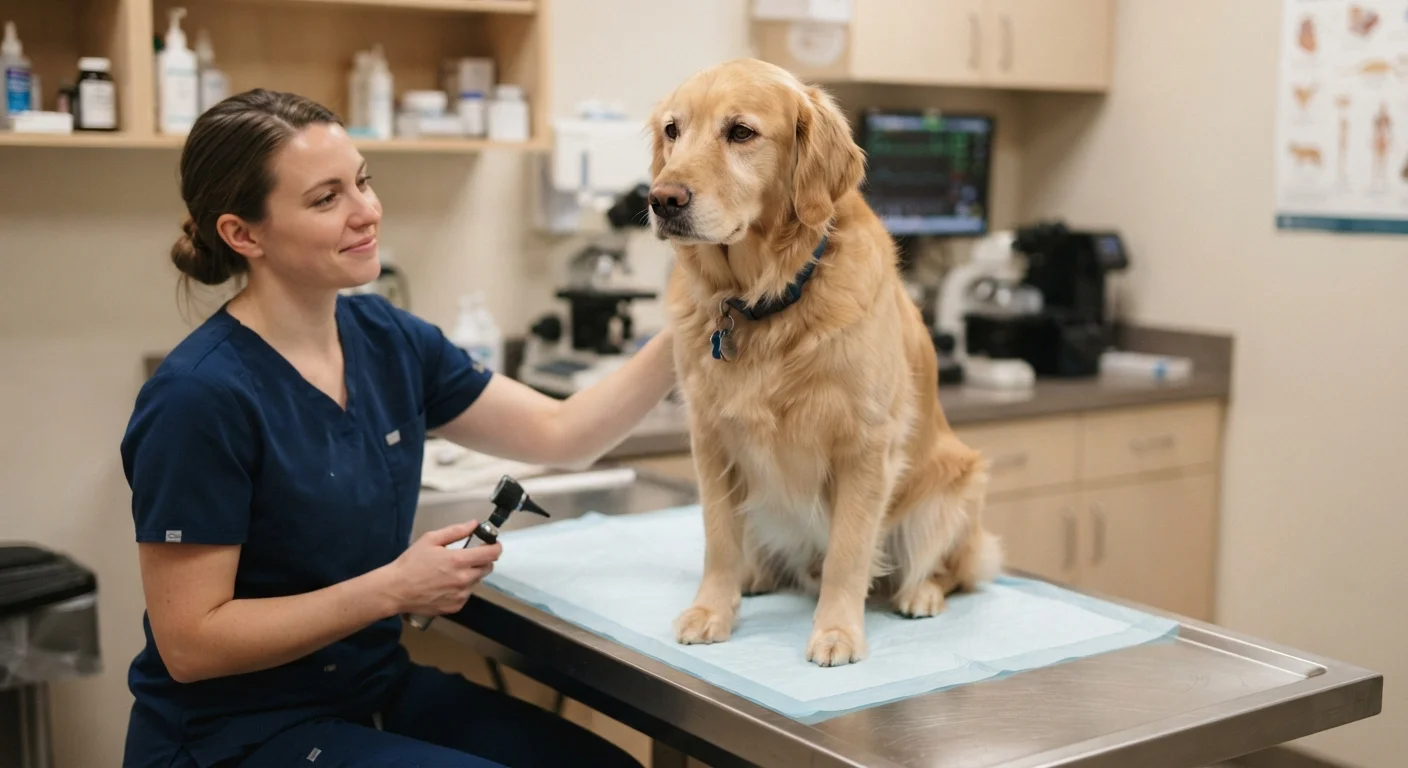
Photo: DockedReads.com | Information Made Easy editorial
Key Takeaways
- Most pets find vet visits stressful due to unfamiliar smells, sounds, and handling — not just the procedures.
- Fear-free and low-stress handling techniques are evidence-supported and widely adopted in modern veterinary practice.
- Simple owner actions before, during, and after the visit can significantly reduce a pet's anxiety response.
- Carrier and car ride conditioning are among the most overlooked yet effective preparation strategies.
- Persistent severe anxiety may warrant a conversation with your vet about behavioral support or pre-visit medications.
Why the Clinic Feels Threatening to Your Pet
To a dog or cat, a veterinary clinic is an environment stacked with stressors. The antiseptic smell, the sounds of other anxious animals, the slippery exam table, and the hands of strangers — each element signals potential danger to an animal that relies on familiarity and predictability to feel safe. For many pets, these experiences accumulate into a learned fear response, meaning each subsequent visit becomes harder, not easier.
Research in veterinary behavioral medicine has established that a large proportion of cats and dogs show physiological stress markers during routine exams — elevated cortisol, increased heart rate, defensive posturing — even when no painful procedure occurs. Understanding this from your pet's perspective is the first step toward changing the dynamic. For a deeper look at how anxiety manifests beyond the clinic, see stress and anxiety triggers owners often overlook.
Make Positive Vet Visits a Habit
Practical Strategies to Make Every Visit Calmer
Condition the carrier long before the appointment
For cats especially, the carrier signals doom because it only appears when something unpleasant is about to happen. Reversing this association requires weeks of low-key exposure: leave the carrier out as furniture, place bedding and treats inside, and let your pet enter and exit voluntarily. For dogs, the same principle applies to the car. Associating travel with neutral or positive experiences reduces the anticipatory dread that builds before you even leave home.
Weeks of voluntary carrier exposure can undo a lifetime of negative association.
Arrive calm and keep your own energy regulated
Pets are acutely sensitive to their owner's emotional state. Studies in human-animal interaction consistently find that owner anxiety is transmitted to pets through subtle postural and vocal cues. Arriving early to avoid rushing, speaking in a measured tone, and avoiding tense pulling on the leash or anxious cooing all help signal to your pet that the situation is manageable. Your composure is one of the most effective calming tools available.
Your own calm is one of the most underrated tools in reducing your pet's vet anxiety.
Request a fear-free or low-stress handling approach
Many veterinary practices now train staff in Fear Free® or Low Stress Handling® protocols, which involve minimizing restraint, allowing pets to sniff and explore, and using high-value treats throughout the exam. You can ask your clinic whether they use these approaches. If your pet has a known fear response, calling ahead to explain the situation allows staff to prepare — such as placing you directly into an exam room rather than waiting in a stress-inducing lobby with other animals.
Calling ahead to flag your pet's anxiety lets clinic staff tailor their approach before you arrive.
Use food strategically — when it's safe to do so
High-value treats used throughout the visit can help create positive associations with handling, the exam table, and the clinic environment itself. Check with your vet in advance about whether your pet should be fasted before certain procedures; in many routine wellness contexts, a small amount of food is not only acceptable but encouraged as a counterconditioning tool. Letting your pet eat small treats from the vet's hand during the exam can shift the emotional register of the whole experience.
Treats from a vet's hand during the exam can meaningfully shift how a pet perceives the visit.
Consider the waiting room a variable you can control
Shared waiting rooms mix dogs, cats, and other species in a confined space — a recipe for elevated stress all around. Many clinics offer the option to wait in your car and receive a text when the exam room is ready. Cats in carriers benefit from a cover or towel over the carrier to reduce visual stimulation. Positioning the carrier elevated rather than on the floor can also reduce the threat response, since floor-level contact with unfamiliar animals is particularly alarming for cats.
Waiting in your car instead of the lobby removes one of the most stressful parts of the entire visit.
Talk to your vet about pre-visit medication if anxiety is severe
For pets with profound fear responses — those who become so distressed that the exam cannot be completed safely or humanely — behavioral pre-visit medications prescribed by a veterinarian are a legitimate and well-supported option. These are not sedatives that simply immobilize a frightened animal; modern options are designed to reduce anxiety without masking the pet's ability to communicate. This is a clinical conversation for your vet, not a decision to make independently. For pets with broader anxiety patterns, understanding the roots of canine anxiety may also provide useful context.
Pre-visit medications for severe anxiety are a legitimate veterinary tool, not a last resort.
Species Differences Matter
The goal isn't to eliminate all stress — some mild arousal is unavoidable — but to keep it below the threshold where your pet becomes overwhelmed or begins associating veterinary care with lasting fear. If your pet's anxiety is severe, discuss options with your veterinarian; behavioral interventions and pre-visit medications exist and are supported by evidence. This article is general educational information and not a substitute for professional veterinary advice tailored to your individual pet.
Building a Healthier Relationship with Veterinary Care
The habits you build between visits matter as much as what you do in the waiting room. Regular, brief handling at home — touching ears, paws, and gums in a calm, treat-paired context — desensitizes your pet to the types of examination they'll encounter. This is a core principle of positive behavioral training, and it pays dividends at every wellness exam.
Understanding your pet's stress signals is equally important. Yawning, lip licking, flattened ears, tucked tails, or excessive vocalization are not misbehavior — they are communication. Recognizing these early means you can advocate for your pet during the visit, ask for a pause, or request a different handling approach. For related guidance on reading stress during learning contexts, see signs your pet is stressed during training.
Routine wellness visits remain the foundation of long-term health. What actually happens during an annual wellness exam can reassure both you and your pet by replacing the unknown with the familiar. And knowing which physical symptoms warrant a vet call helps ensure you visit with purpose and confidence rather than anxiety.
This article is for general informational purposes only and does not constitute veterinary medical advice. Always consult a licensed veterinarian for guidance specific to your pet's health and behavioral needs.
The content on this site is for informational purposes only and is not a substitute for professional advice. Always consult a qualified professional for guidance specific to your situation.