
Your Pet's Annual Wellness Visit: What Actually Happens and Why It Matters

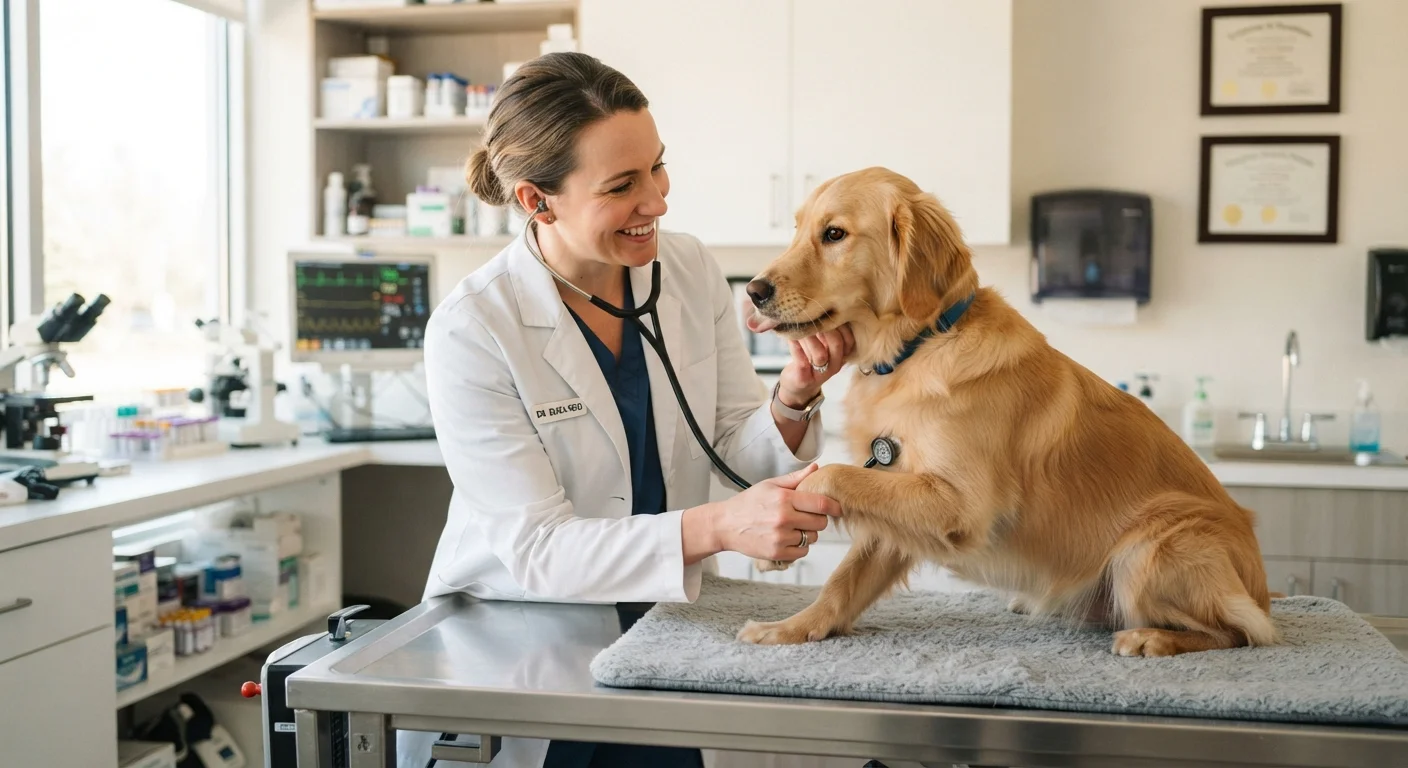
Photo: DockedReads.com | Information Made Easy editorial
Key Takeaways
- Vets assess over a dozen body systems during a single wellness exam, not just vaccines.
- Many conditions — including dental disease and organ dysfunction — have no obvious symptoms in early stages.
- Annual exams are recommended for most adult pets; senior pets often benefit from twice-yearly visits.
- Owners should bring a list of behavioral or dietary changes to discuss with their vet.
- Preventive care identified at wellness visits is generally less costly and less invasive than treating advanced disease.
What the Vet Is Actually Evaluating
When your vet says they're doing a "head-to-tail" exam, that's not just a phrase. A structured wellness examination systematically evaluates more than a dozen body systems in a single visit. Understanding what's being assessed helps owners recognize the real clinical value of these appointments.
The exam typically begins with vitals: weight, temperature, heart rate, and respiratory rate. Even subtle weight changes — a pound lost or gained — can signal metabolic shifts that warrant monitoring. From there, the vet will assess:
- Eyes, ears, and nose — for discharge, inflammation, or structural changes
- Oral cavity — checking teeth, gums, and tongue for signs of periodontal disease, which affects the majority of adult pets yet is often invisible to owners
- Lymph nodes — palpated for enlargement that may indicate infection or immune activity
- Heart and lungs — auscultated for murmurs, arrhythmias, or abnormal breath sounds
- Abdomen — palpated to assess organ size and detect masses or tenderness
- Skin and coat — evaluated for parasites, lesions, or signs of allergic disease
- Musculoskeletal system — joints and gait assessed for early arthritis or mobility issues
Dental findings are particularly worth noting. Dental disease in pets is far more common than most owners realize, and a wellness exam is often when early periodontal changes are first flagged.
How Often Is "Annual" for Your Pet?
Preventive Care: Vaccines, Parasites, and Screening
The physical exam is only part of what happens at a wellness visit. Preventive care protocols are reviewed and updated based on your pet's age, lifestyle, and geographic region.
Vaccines are assessed on an individual basis. Not every pet needs every vaccine every year — recommendations depend on factors like whether your dog visits dog parks, whether your cat goes outdoors, or whether you live in a tick-heavy region. For a detailed breakdown, vaccination schedules explained for dogs and cats can help you understand which vaccines are considered core versus lifestyle-dependent.
Parasite screening typically includes a fecal exam to check for intestinal parasites, and may include heartworm testing depending on your pet's preventive history. Many parasites shed eggs intermittently, so even a pet that appears healthy can harbor a low-level infestation.
Bloodwork becomes increasingly valuable in middle-aged and senior pets. A complete blood count (CBC) and biochemistry panel can reveal early kidney dysfunction, liver changes, thyroid imbalances, and anemia — often before clinical symptoms appear. Senior pets have shifting health needs that make these screenings particularly worthwhile as your animal ages.
Keep a Simple Health Journal for Your Pet
The Conversation That Makes the Visit Count
The most underused part of any wellness visit is the owner-vet conversation. Vets can only observe your pet for the 20–30 minutes they're in the exam room — you observe your pet every day. That makes your observations clinically relevant.
Come prepared to discuss any changes in:
- Appetite, water intake, or elimination habits
- Activity level, mobility, or willingness to exercise
- Sleep patterns or behavioral shifts — increased hiding, anxiety, or aggression
- Any lumps, bumps, or skin changes you've noticed at home
If your pet has been diagnosed with a chronic condition, the wellness visit is also the right time to revisit dietary management. Pet nutrition for common health conditions intersects closely with conditions like kidney disease, obesity, and diabetes — all of which a vet may want to address during the exam.
It's also worth knowing what might indicate your pet needs a visit sooner than the annual schedule. Physical symptoms that warrant a vet call outlines warning signs that shouldn't wait for a routine appointment.
If your pet experiences significant anxiety at the clinic, preparation can make a meaningful difference. Understanding the vet visit from your pet's perspective offers evidence-supported approaches for making exams calmer for stress-prone animals.
This article is for general informational purposes only and is not a substitute for professional veterinary advice. Always consult a licensed veterinarian for guidance specific to your pet's health needs.
~70%
Adult pets with signs of dental disease by age 3
According to the American Veterinary Medical Association, most dogs and cats show evidence of periodontal disease by their third year of life.
2x
Recommended exam frequency for senior pets
Veterinary guidelines broadly support biannual wellness exams for dogs and cats entering their senior years, compared to once yearly for healthy adults.
Early
Stage when treatment is most effective
Conditions like kidney disease, hyperthyroidism, and heart disease are most manageable when identified before clinical symptoms appear — a key benefit of routine bloodwork.
Frequently Asked Questions
The content on this site is for informational purposes only and is not a substitute for professional advice. Always consult a qualified professional for guidance specific to your situation.