
How to Read the Warning Signs of a Failing Roof

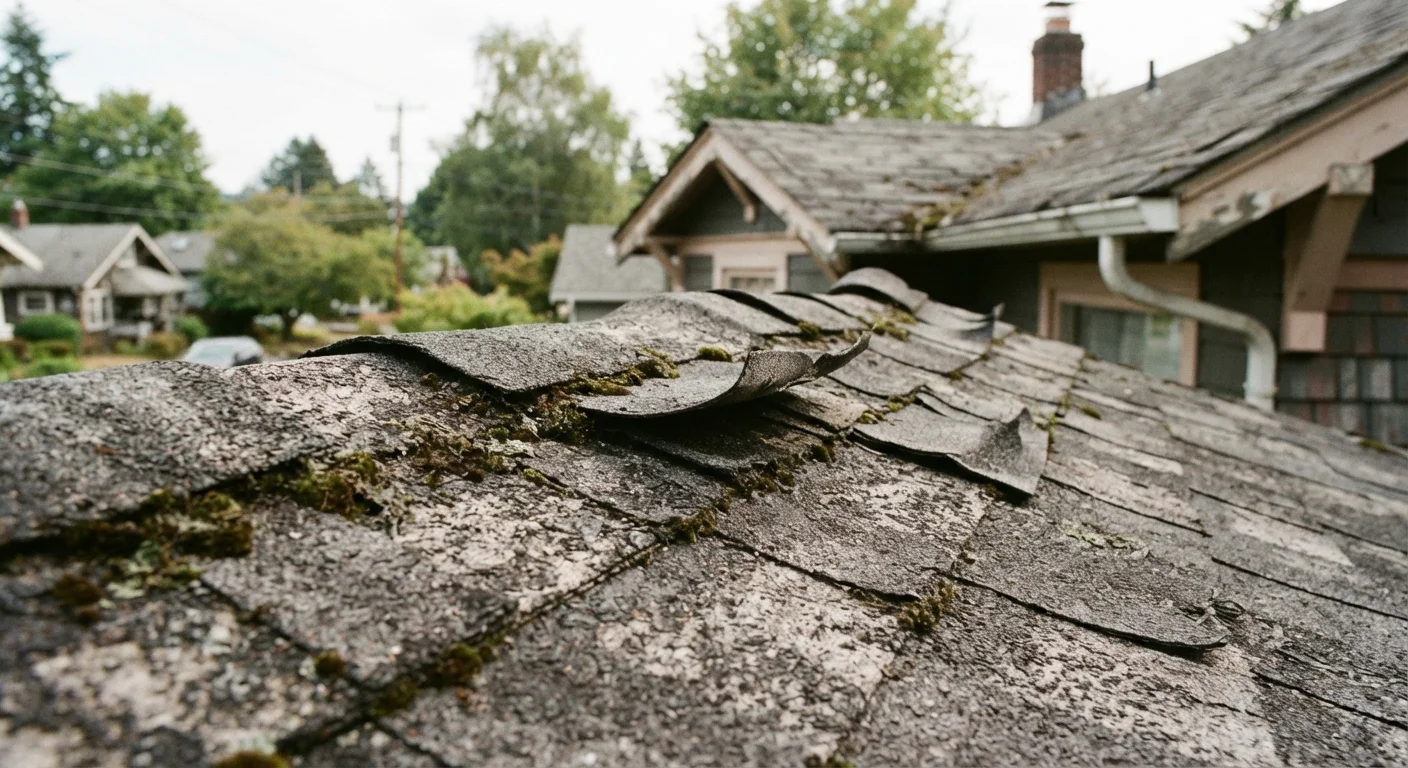
Photo: DockedReads.com | Information Made Easy editorial
Why Roof Warnings Matter Before the Drip Starts
Most roof failures don't happen overnight. They develop gradually through a sequence of deterioration that's often visible — if you know what to look for. Waiting until water appears on your ceiling means the damage has already moved past the shingles and into the decking, insulation, or framing below.
A proactive roof check twice a year — typically in spring and fall — and after any major storm gives you the best chance of catching problems early. You don't need to climb onto the roof to spot most warning signs. Many are visible from the ground or from inside your attic. Just like understanding subtle signals in other systems around the house, reading a roof requires knowing which clues to look for. See our guide on what small leaks can actually signal for a parallel example of early-warning thinking.
| Average asphalt shingle lifespan | 20–30 years (General industry estimate; varies by climate and installation quality) |
| Recommended inspection frequency | Twice yearly (spring and fall) plus after major storms |
| Most common entry point for leaks | Flashing around chimneys, vents, and skylights |
| When to call a pro immediately | Sagging roofline, structural damage, interior water staining |
| Ground-level inspection tool | Binoculars — avoid climbing without proper safety equipment |
Exterior Warning Signs to Check From the Ground
Walk the perimeter of your home and scan the roofline carefully. Use binoculars if needed — you're looking for the following:
- Curling or buckling shingles: Shingles that cup upward at the edges or buckle in the middle are nearing the end of their lifespan. Both indicate moisture damage or an aging mat beneath the surface.
- Missing shingles: Gaps in coverage expose the underlayment — and eventually the decking — to water infiltration. Even one missing shingle creates a vulnerability.
- Granule loss: Check your gutters for an accumulation of coarse, sand-like granules. Shingles shed granules as they age, reducing their UV protection and water resistance. Heavy granule buildup in gutters is a strong sign of advanced wear. Our complete gutter maintenance guide explains what to do when gutters are overwhelmed.
- Sagging areas: Any visible dip or wave in the roofline suggests structural compromise — rotted decking, weakened rafters, or prolonged moisture damage. This warrants immediate professional evaluation.
- Moss, algae, or lichen growth: These retain moisture against the surface, accelerating shingle breakdown. Dark streaking down the slope often signals algae colonies.
- Damaged or missing flashing: Flashing seals the joins around chimneys, skylights, and vents. Cracked, lifted, or missing flashing is a primary entry point for water.
Flashing
Thin strips of metal (typically aluminum or galvanized steel) installed at roof joints and penetrations — chimneys, vents, skylights — to seal against water intrusion. Damaged flashing is one of the most common causes of roof leaks.
Granule loss
The shedding of the mineral coating embedded in asphalt shingles. Granules protect the shingle mat from UV degradation; heavy loss signals the shingle is nearing the end of its useful life.
Decking (roof sheathing)
The structural panel layer — usually plywood or OSB — that sits beneath the underlayment and shingles. Once decking becomes saturated or rots, repair becomes significantly more extensive and costly.
Underlayment
A water-resistant or waterproof barrier layer installed over the decking and beneath shingles. It provides a secondary line of defense if shingles are damaged or missing.
Lichen
A slow-growing organism (part fungus, part algae) that attaches firmly to roofing surfaces. Unlike algae streaks, lichen roots can physically erode shingle material over time.
Interior Signs That Point to Roof Trouble
Your attic is often the first place roof problems become detectible indoors. Check it with a flashlight during daylight hours.
- Daylight visible through the roof boards: Any pinprick of natural light entering through the decking means there's an opening for water too.
- Water stains or dark streaking: Staining on rafters, sheathing, or insulation indicates water has entered — even if you don't see an active drip.
- Sagging insulation or wet spots: Compressed or waterlogged insulation loses its thermal performance and can harbor mold.
- Mold or mildew smell: Persistent musty odors in the attic often precede visible mold and suggest chronic moisture accumulation.
On your ceilings and upper walls, watch for bubbling paint, yellowish stains, or plaster that feels soft. These signs often appear well away from the actual leak point, since water can travel along rafters before dripping down.
Attic Ventilation Affects Roof Longevity
When to Call a Professional
Some roof inspections and repairs are within range of a capable homeowner — clearing moss, replacing one or two shingles on a low-slope roof with proper safety precautions. However, significant repairs involving structural members, flashing replacement, widespread shingle failure, or anything requiring you to work on a steep or wet roof surface should be handled by a licensed roofing contractor.
If you observe sagging, widespread granule loss, interior water damage, or flashing failure, treat those as signals to schedule a professional assessment rather than attempt a patch. Most licensed roofers offer an initial inspection, giving you a documented assessment of the roof's condition and remaining lifespan.
Many local building codes also require permits for full roof replacements, and licensed contractors will be familiar with those requirements in your area. Cutting corners on a roof — a primary defense for the entire structure — is rarely worth the short-term savings.
40%
Of building-related insurance claims linked to water damage
Water intrusion — including from roofs — consistently ranks among the leading causes of property insurance claims in the US.
20–30 years
Typical lifespan of standard asphalt shingles
Climate, ventilation quality, and installation standards all influence how close to the upper or lower end a roof lands.
The content on this site is for informational purposes only and is not a substitute for professional advice. Always consult a qualified professional for guidance specific to your situation.