
Home Maintenance Myths That Cost Homeowners Time and Money

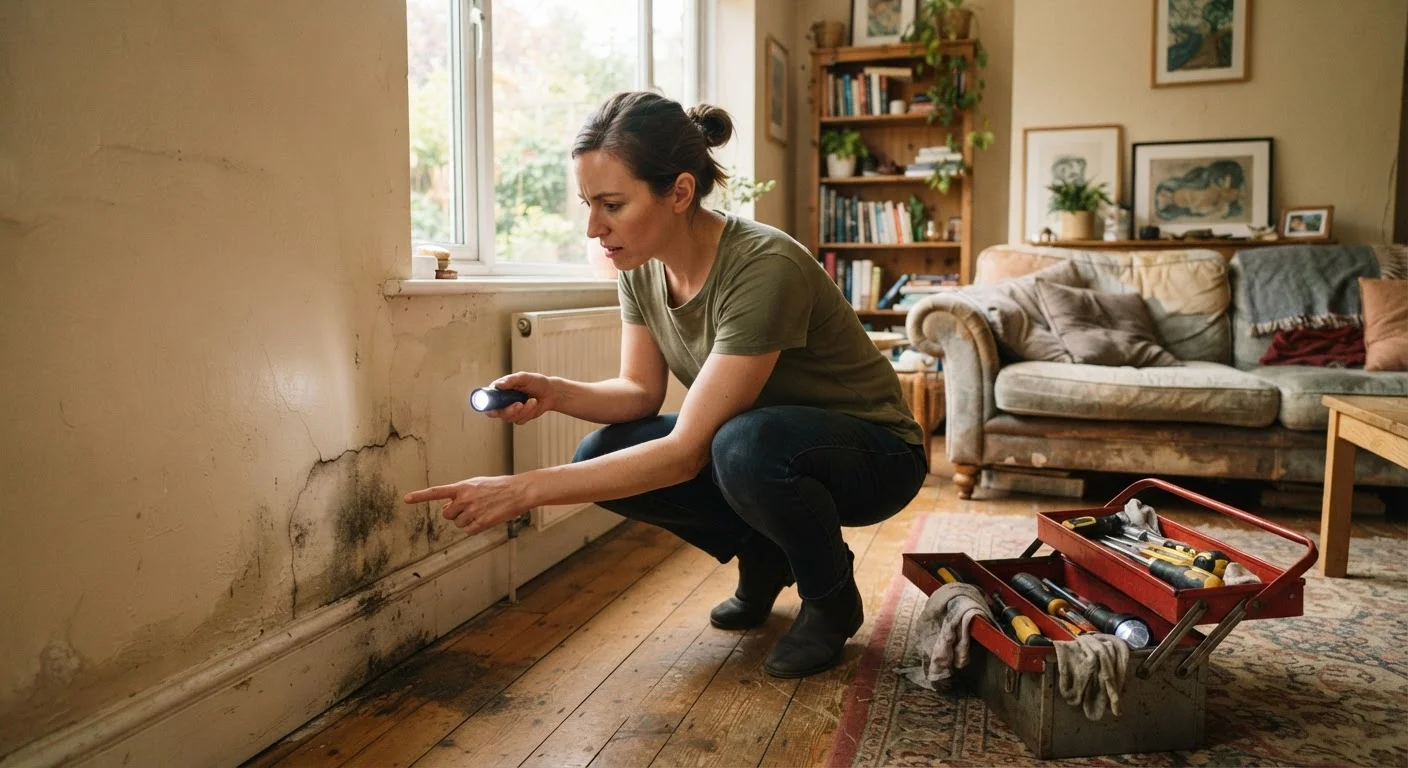
Photo: DockedReads.com | Information Made Easy editorial
Key Takeaways
- Bleach kills mould on the surface but does not eliminate it from porous materials like drywall.
- Popcorn ceilings in older homes may contain asbestos and should be professionally tested before removal.
- Running water while using a garbage disposal does not prevent all clogs — what you put in matters most.
- Caulking and weatherstripping require regular inspection; sealing every gap without ventilation awareness creates moisture problems.
- Flushing 'flushable' wipes is a leading cause of costly residential plumbing blockages.
- Annual professional HVAC servicing is worthwhile even when the system appears to be running normally.
Why Home Maintenance Myths Are So Persistent
Home maintenance advice travels fast — passed down through families, shared at hardware stores, and repeated across the internet without much scrutiny. The problem is that outdated or oversimplified guidance often sounds credible, especially when it involves products or techniques most people have used for years. Acting on a myth rarely produces immediate visible damage, so homeowners rarely connect the habit to the consequence until a costly repair is already needed.
The myths below cover some of the most common misbeliefs that regularly cost US homeowners real money. For a structured look at what upkeep tasks to schedule throughout the year, see our seasonal home maintenance guide.
Myth
Bleach kills mould and solves the problem permanently.
Fact
Bleach disinfects non-porous surfaces but cannot penetrate porous materials like drywall, wood, or grout, where mould roots remain alive.
The bleach-on-mould approach is one of the most widespread home maintenance errors. On a tile or glass surface, bleach can be effective at removing visible mould. But on drywall, wood studs, or unsealed grout, it evaporates before reaching the root structure (called hyphae) embedded beneath the surface. The mould appears gone, then regrows, often more aggressively.
The correct approach involves identifying and eliminating the moisture source first — without that step, no surface treatment is permanent. Porous materials with deep mould penetration typically need to be removed and replaced. For large areas (generally over 10 square feet), the US Environmental Protection Agency recommends consulting a professional remediation contractor.
Myth
Popcorn ceilings are just a cosmetic issue — scraping them off is a simple weekend project.
Fact
Popcorn ceilings applied before the mid-1980s may contain asbestos. Disturbing them without testing first poses a regulated health and legal risk.
Asbestos was commonly used in ceiling texture compounds until it was largely phased out following regulations in the late 1970s. Homes built or renovated before 1980 should have popcorn ceiling material tested by a certified inspector before any scraping or removal begins. Disturbing asbestos-containing material releases airborne fibres that are a known health hazard.
If asbestos is confirmed, removal must follow state and federal regulations and is typically performed by a licensed abatement contractor. Even if a ceiling tests asbestos-free, the project still involves managing significant dust and may require a permit depending on your local jurisdiction. Check with your local building department before starting.
Myth
Running water while using a garbage disposal flushes everything through cleanly.
Fact
Water flow helps, but certain foods — especially starchy, fibrous, or greasy items — will clog or damage a disposal regardless of how much water is used.
The running-water habit is useful but widely over-relied upon. Foods like pasta, rice, potato peels, celery, and coffee grounds are known to cause disposal clogs or motor strain even with water running. Grease and fats coat the interior of pipes and solidify downstream, causing blockages that water alone will not prevent.
The most effective approach is to avoid putting problematic materials in the disposal in the first place. Run cold water (not hot, which can liquefy grease and push it further into pipes before it resolidifies) before, during, and for a few seconds after grinding. When a clog does occur, avoid chemical drain cleaners in disposals — they can damage seals and blades.
Myth
'Flushable' wipes are safe to flush and won't cause plumbing problems.
Fact
Most so-called flushable wipes do not break down like toilet paper and are a leading cause of residential drain and sewer blockages.
Unlike toilet paper, which is designed to disintegrate rapidly in water, most wipes marketed as flushable retain their structure long enough to accumulate in drain pipes, catch on rough pipe joints, and combine with grease to form blockages. Plumbers and municipal sewer authorities across the US regularly cite these wipes as a major source of clog calls and sewer system maintenance costs.
The practical guidance: regardless of packaging claims, treat all wipes as non-flushable and dispose of them in a bin. If you've been flushing them for some time, it may be worth having a plumber inspect your drain lines, particularly in older homes with cast-iron pipes that have more interior roughness to catch debris.
Myth
If your HVAC system is running and producing air, it doesn't need a professional service visit.
Fact
A system can appear to function normally while quietly losing efficiency, accumulating coil buildup, or developing refrigerant or electrical issues.
HVAC systems degrade gradually. Dirty evaporator or condenser coils reduce efficiency significantly — the system works harder, uses more energy, and wears components faster — all without producing obvious symptoms early on. Refrigerant leaks, failing capacitors, and blocked condensate drains often build up over time and then cause sudden failures, typically during peak summer or winter demand when repair costs and wait times are highest.
Annual professional servicing — including coil cleaning, refrigerant level checks, electrical connection inspection, and filter replacement — is generally considered standard practice by HVAC professionals. It also preserves manufacturer warranties, which often require documented maintenance. See our guide to knowing when to call a pro for more on evaluating professional service needs.
Myth
You only need to recaulk windows and doors when you can see obvious gaps or feel a draught.
Fact
Caulk and weatherstripping degrade on a predictable cycle and should be inspected annually, even when no draught is perceptible.
Caulk contracts and expands with temperature cycling, typically becoming brittle or pulling away from surfaces within five to ten years. By the time a draught is noticeable, the seal has often failed enough to allow meaningful air and moisture infiltration. Water intrusion behind failed window caulk is a common cause of framing rot and interior wall moisture damage — problems that don't announce themselves until they're significant.
Annual inspection — especially before winter — lets you catch hairline separations and replace caulk proactively. Use paintable silicone or siliconized latex caulk rated for exterior use. If you want to go deeper on sealing strategy, our article on draught-proofing myths covers common sealing errors that actually raise energy bills.
When Myths Become Expensive Mistakes
The financial damage from acting on bad maintenance information tends to compound. A homeowner who repeatedly treats mould with bleach may spend years managing a recurring problem when the underlying moisture source and affected drywall need proper remediation. Similarly, ignoring HVAC servicing based on the assumption that a working system needs no attention can turn a routine filter or coil issue into a full system failure.
Hazardous Material Work Requires Licensed Professionals
Some tasks that seem straightforward carry genuine safety and legal considerations. Popcorn ceiling removal in homes built before 1980 is a prime example — what looks like a simple cosmetic project can involve regulated asbestos-containing material requiring licensed abatement. Always verify whether a permit or licensed contractor is required before starting any structural, electrical, plumbing, or hazardous-material work. Our guide on when DIY makes sense and when it doesn't lays out a practical framework for making that call.
~$15,000
Average mould remediation cost for significant infestations
Industry estimates from restoration contractors suggest moderate-to-severe residential mould remediation commonly runs between $10,000 and $30,000 depending on extent and materials affected.
90%+
HVAC efficiency drop from dirty coils
According to the US Department of Energy, a build-up of just 0.042 inches of dirt on a heat exchanger coil can reduce efficiency by over 21%, with cumulative impact growing significantly if servicing is deferred.
If you want to build a smarter upkeep routine, our article on annual maintenance tasks worth scheduling covers the checks that prevent the most common expensive surprises.
The content on this site is for informational purposes only and is not a substitute for professional advice. Always consult a qualified professional for guidance specific to your situation.