
Understanding Your Home's Water Shut-Off System

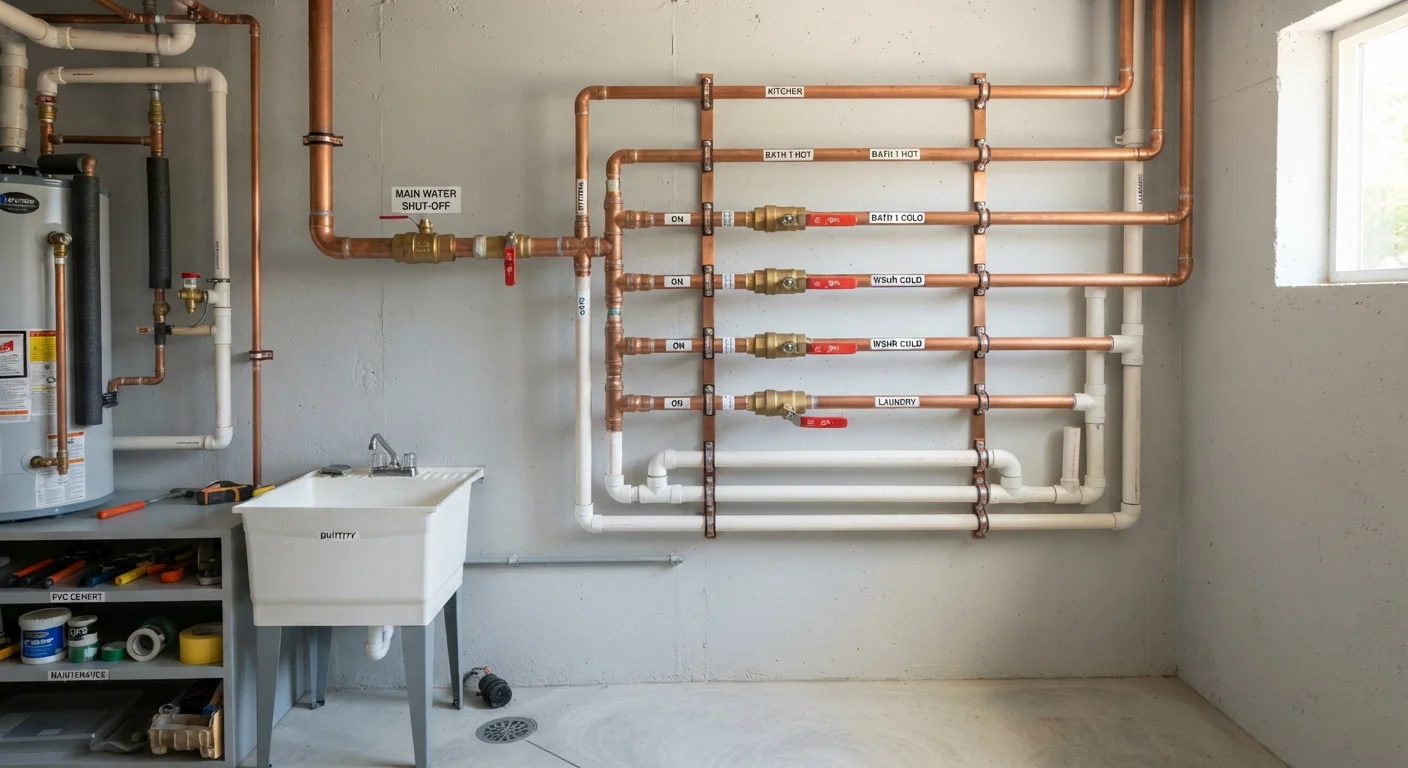
Photo: DockedReads.com | Information Made Easy editorial
Key Takeaways
- Every home has a main shut-off valve that stops all water flow when turned off.
- Individual fixture shut-offs let you isolate one area without cutting water to the whole house.
- Ball valves (lever handle) are generally easier to operate quickly than gate valves (round handle).
- Locating and testing your shut-offs before an emergency is strongly recommended.
- A slow drip or leak can escalate fast — acting on your shut-off knowledge early limits damage.
Why Shut-Off Knowledge Matters
Water damage is among the most common and costly problems US homeowners face. A burst pipe, a failing washing machine hose, or a cracked supply line can discharge dozens of gallons per minute. The difference between a minor cleanup and a major structural repair often comes down to one thing: how quickly the water was stopped.
That's exactly why understanding your home's shut-off system isn't optional maintenance knowledge — it's foundational. If you've ever wondered whether a small plumbing leak is serious, the answer often depends on how fast you can isolate the source. Shut-off valves are your first line of defense.
Do This Before Any Emergency Occurs
The Main Shut-Off Valve: Your Whole-House Control
Every home connected to a municipal water supply has one main shut-off valve that controls all water entering the property. Locating this valve before you ever need it is essential.
- Basement or crawl space: In colder climates, the main valve is typically found where the supply line enters through the foundation wall, often near a utility sink or water heater.
- Utility or mechanical room: In slab-foundation homes, check a dedicated utility closet near the water heater.
- Outside near the curb: A curb stop (street-side valve) is usually accessible only with a special tool and is controlled by the water utility — this is separate from your interior shut-off.
Once you locate the valve, identify what type it is. A ball valve has a lever handle and closes with a simple quarter-turn. A gate valve has a round wheel handle and requires several full rotations to close. Both work, but ball valves are generally faster and less prone to failure over time.
$11,000+
Average cost of water damage per US home claim
According to data published by the Insurance Information Institute, water damage and freezing claims are among the most frequent and expensive homeowner insurance losses in the US.
1 in 50
Homeowners file a water damage claim each year
Industry estimates suggest roughly 2% of US homeowners file a water-related insurance claim annually, making it one of the most common home loss events.
Individual Fixture Shut-Offs: Targeted Control
Beyond the main valve, most fixtures in your home have their own dedicated shut-off valves — sometimes called stop valves or angle stops. These allow you to isolate a problem to one location without disrupting water service to the rest of your home.
Common locations include:
- Toilets: Look for an oval handle on a small supply line coming out of the wall or floor behind the toilet base.
- Under sinks: Both hot and cold supply lines typically have individual knob or oval-handle valves inside the cabinet.
- Washing machines: Dedicated hot and cold valves are usually on the wall directly behind the appliance.
- Water heater: A shut-off on the cold-water inlet line allows service without affecting the rest of the house.
To close a stop valve, turn the handle clockwise — the old plumber's phrase "righty tighty" applies. These valves can stiffen over years of inactivity, so it's worth exercising them periodically.
When to Call a Licensed Plumber
Building a Habit: Test Before You Need It
Many homeowners only discover a seized or leaking shut-off valve during the emergency it was supposed to prevent. A simple annual walk-through changes that.
Walk each shut-off location in your home, turn each valve off and then back on fully, and note any that feel stiff, drip from the stem, or won't move at all. Write the locations down or take a quick photo — especially for the main valve. If you share your home with other household members, make sure they know where the main shut-off is too.
Smart leak detectors can complement this preparedness. For more on integrating these into a broader home system, see our introduction to smart home devices. Technology can alert you to moisture early, but it doesn't replace the ability to act manually and immediately.
This article is for general informational purposes only. For plumbing repairs, valve replacements, or any work involving permits or licensed trades, consult a qualified, licensed plumber in your area and verify local code requirements before proceeding.
Frequently Asked Questions
The content on this site is for informational purposes only and is not a substitute for professional advice. Always consult a qualified professional for guidance specific to your situation.