
Travel Wellness

What Travelers Often Get Wrong About Food and Water Safety Abroad

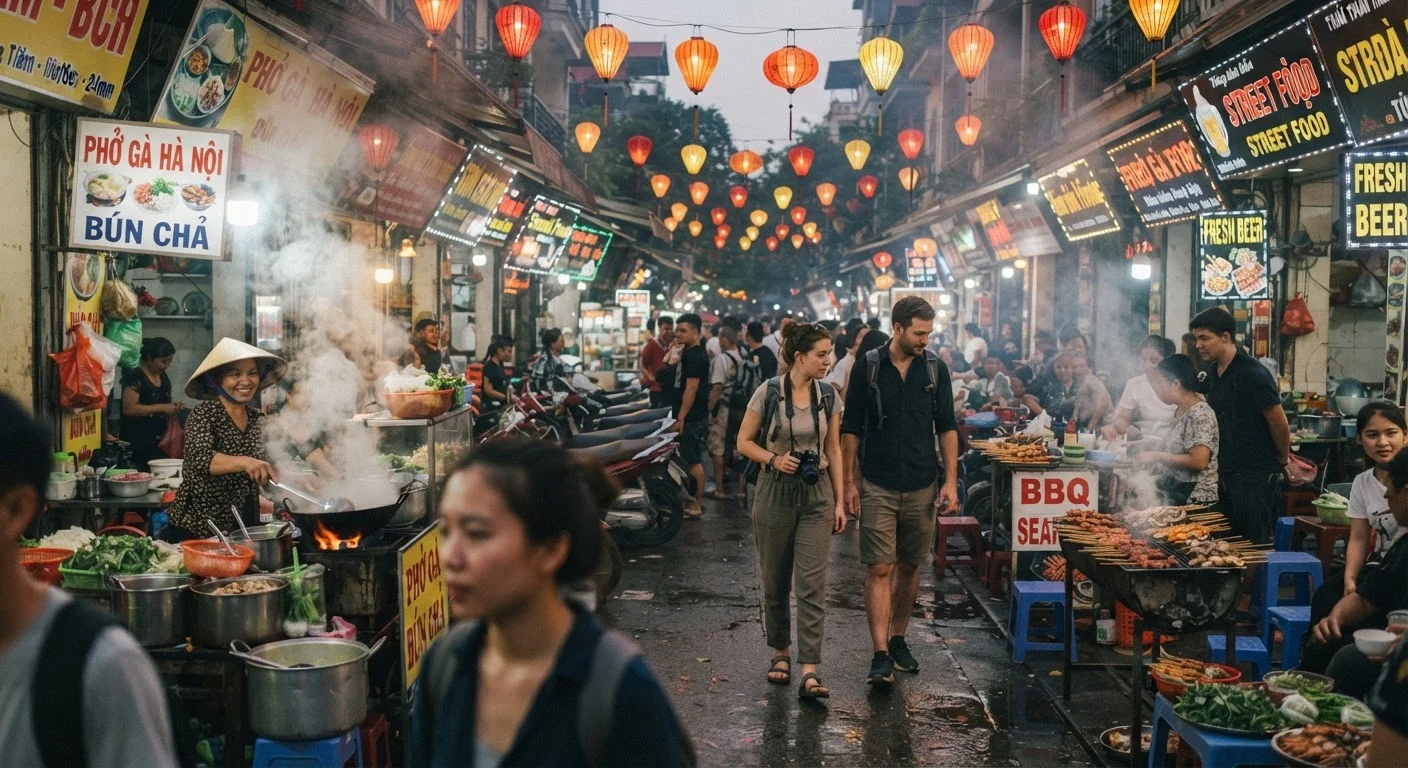
What Travelers Often Get Wrong About Food and Water Safety Abroad

Photo: DockedReads.com | Information Made Easy editorial

Traveler's diarrhea and foodborne illness are common but often preventable. Here are the misjudgements that lead most people into trouble.

Key Takeaways

  • Traveler's diarrhea affects an estimated 20–50% of international travelers, making it one of the most common travel illnesses.
  • Local immunity, not food quality alone, explains why locals can safely eat what makes visitors sick.
  • Ice, salads, and raw garnishes are among the most frequently overlooked vectors for waterborne illness.
  • Consulting a travel medicine specialist before departure can meaningfully reduce your risk of serious foodborne illness.
  • Bottled water is not automatically safe — seal integrity and local bottling standards vary widely by region.

The Gap Between Confidence and Reality

Most travelers who fall ill abroad weren't being reckless. They were following instincts that work perfectly well at home — ordering grilled meat, eating at a busy restaurant, assuming a cold drink was safe. The trouble is that food and water safety abroad operates by a different set of rules, and those rules shift depending on destination, season, and individual health. Understanding that gap is the first step toward navigating it more wisely.

Traveler's diarrhea and other foodborne illnesses are among the most common health complaints for people visiting developing regions, and they're frequently preventable. The mistakes that lead to them tend to be consistent and predictable. Here's what most people get wrong — and why.

1

Trusting busy restaurants as a proxy for food safety.

Why it happens: The logic seems sound: if a place is packed with locals, the food must be safe. But local diners have built up tolerance to regional microorganisms over years of exposure — visitors haven't.
How to avoid: Crowd density is a useful signal for quality and freshness, but it doesn't tell you about water source, ingredient handling, or kitchen hygiene. Look for food cooked to order at high heat and served immediately. Avoid buffets where food has been sitting at uncertain temperatures.
2

Assuming ice is safe because it came with a drink.

Why it happens: Ice feels like a minor detail, and in many countries it's genuinely fine. But in regions where tap water isn't reliably treated, ice made from that same water is a common and overlooked illness vector.
How to avoid: In destinations where tap water safety is uncertain, decline ice in drinks unless you can confirm it was made from purified water. Many higher-end hotels and restaurants use purified ice, but street vendors and local establishments may not.
3

Eating raw vegetables or salads without considering how they were washed.

Why it happens: Salads and fresh garnishes feel healthy and seem safer than meat. Travelers rarely think to question whether produce was rinsed in tap water.
How to avoid: In areas with unsafe tap water, raw produce washed in that water carries the same risk as drinking it. Stick to cooked vegetables or fruits you can peel yourself — like bananas, oranges, or mangoes — as a general precaution in higher-risk destinations.
4

Treating sealed bottled water as universally safe.

Why it happens: Bottled water feels like a universal fix, and travelers often stop questioning it once they've made the switch from tap. But bottling standards and seal integrity vary significantly.
How to avoid: Check that the seal is unbroken before opening. In some regions, there are documented reports of bottles being refilled and resealed. When in doubt, opt for carbonated water in sealed cans or glass bottles, which are harder to tamper with, or use a portable water purifier or iodine tablets.
5

Waiting too long to seek medical attention when symptoms develop.

Why it happens: Mild gastrointestinal upset feels like something to sleep off, and many travelers are reluctant to interrupt their itinerary for a stomachache.
How to avoid: Most traveler's diarrhea resolves on its own, but symptoms like high fever, blood in stool, severe dehydration, or illness lasting more than 48–72 hours warrant prompt medical evaluation. Know in advance how to access healthcare at your destination, and carry your travel insurance information.
6

Skipping pre-travel vaccination or medication consultations.

Why it happens: Many travelers — especially those visiting developing countries for the first time — underestimate destination-specific disease risk or assume standard vaccinations are sufficient.
How to avoid: Schedule a travel medicine consultation at least four to six weeks before departure. Hepatitis A, typhoid, and other food- and water-borne illness vaccines may be recommended depending on your destination and itinerary. A clinician can also discuss whether standby antibiotics are appropriate for your trip.

What You Should Know Before You Go

Prevention starts well before your departure date. A thorough pre-trip health checklist should include a conversation with a travel medicine specialist or your primary care physician — ideally four to six weeks before travel. They can advise on destination-specific risks, relevant vaccinations like hepatitis A and typhoid, and whether a prescription for standby treatment is appropriate for your situation.

Bottled Water Isn't Always the Safe Default

In some destinations, counterfeit or refilled water bottles are a documented problem. Always check the seal before drinking, and consider traveling with a portable water purification method as a backup. In areas of genuine uncertainty, carbonated drinks in sealed cans may be the more reliable option.

It's also worth consulting reliable trip-planning resources to understand the health infrastructure of your destination. Knowing whether safe drinking water is readily available, whether bottled water is trustworthy, or whether purification tablets are advisable shapes how you pack and prepare. Solo travelers face particular vulnerability here — as solo health safety guidance points out, there's no travel companion to help when illness strikes unexpectedly.

Hydration is another underappreciated variable. Travel consistently works against adequate hydration, and dehydration can amplify the effects of even mild gastrointestinal illness. Planning your fluid intake strategy is as important as planning what you'll eat.

This article is for general informational and educational purposes only. It is not a substitute for professional medical advice, diagnosis, or treatment. Always consult a qualified healthcare provider before traveling, especially regarding vaccinations, medications, or specific health concerns.

Travel & Exploration Editorial Team

DockedReads.com | Information Made Easy

Travel & Exploration Editorial Team is the collective byline for our editorial team and contributor network. Articles published under this byline or an editorial pen name are researched, written, and reviewed according to our editorial standards for clarity, consistency, and independence before publication.

Trip PlanningDestination GuidesTravel Wellness
View author profile

The content on this site is for informational purposes only and is not a substitute for professional advice. Always consult a qualified professional for guidance specific to your situation.