
Staying Hydrated When Every Part of Travel Works Against You

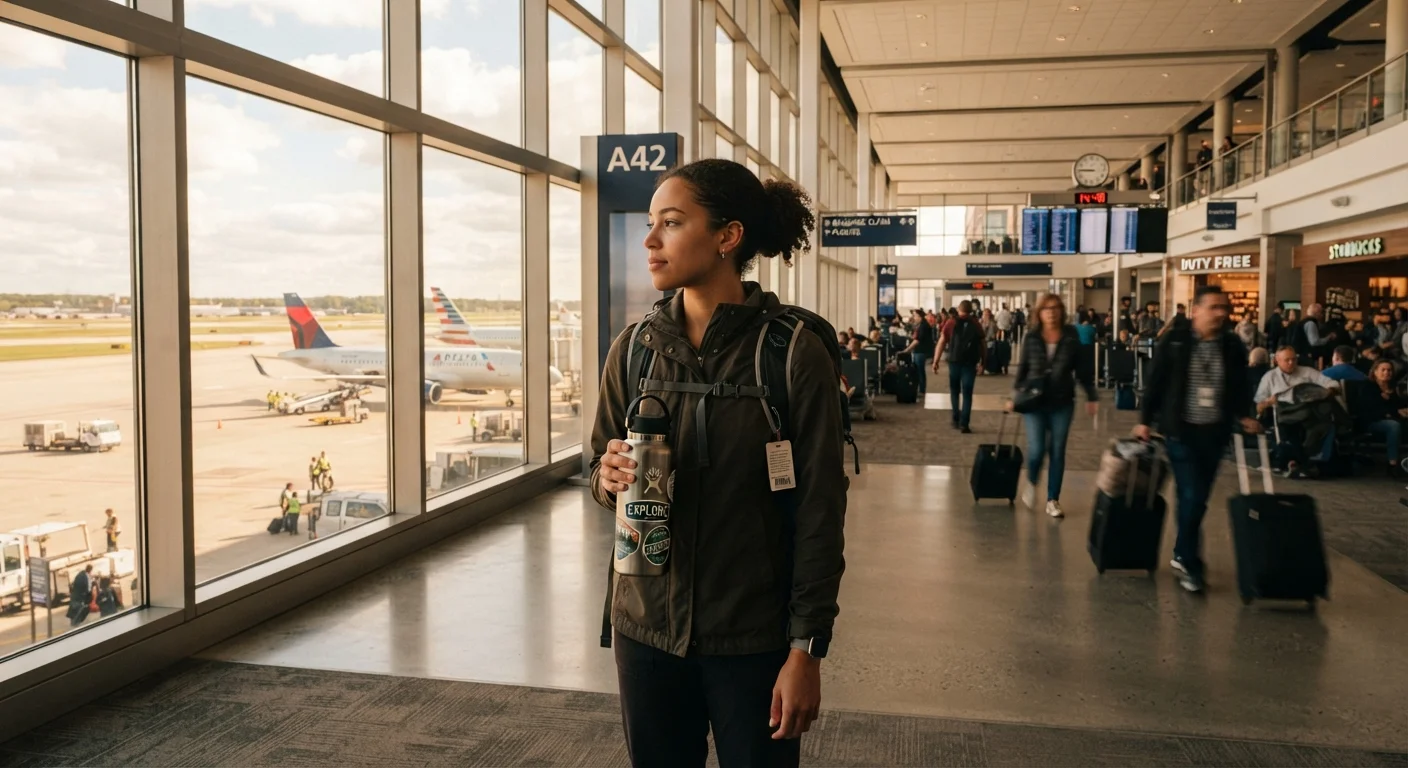
Photo: DockedReads.com | Information Made Easy editorial
Key Takeaways
- Airplane cabin air is extremely dry, accelerating fluid loss even when you feel calm and seated.
- Caffeine and alcohol — common travel companions — both increase dehydration risk.
- Carrying an empty reusable bottle through security is one of the most effective habits a traveler can build.
- Thirst is a lagging indicator; by the time you feel it, mild dehydration has often already set in.
- Destination water safety affects how you hydrate abroad — always verify before drinking tap water.
Why Travel Is a Perfect Storm for Dehydration
Most travelers don't think of a flight as physically demanding — you're seated, largely still, often distracted by a screen. But the environment inside a commercial aircraft cabin is surprisingly hostile to hydration. Humidity levels in aircraft cabins typically hover between 10 and 20 percent, far drier than most indoor environments on the ground. Your respiratory system and skin are quietly losing moisture the entire time you're in the air, and you may not register thirst until you've already slipped into mild dehydration.
That's only part of the picture. Before you ever board, airports tend to encourage behavior that compounds the problem: long walks between gates, warm terminal air, and the near-universal reach for coffee or a glass of wine to smooth the edges of travel anxiety. Both caffeine and alcohol act as diuretics, meaning they prompt your kidneys to excrete more fluid than the beverages actually deliver. Add a busy itinerary on arrival — sightseeing, long drives, unfamiliar food — and the body's fluid balance can fall behind quickly without any single obvious cause.
Understanding this accumulation effect is the first step. Dehydration during travel rarely happens dramatically; it sneaks in through a dozen small decisions across a long day. Headaches, fatigue, difficulty concentrating, and irritability are often early signals, though they're easy to mistake for jet lag or general travel stress. For a deeper look at how hydration connects to your body's overall functioning, the article Hydration and Nutrition: The Link Between Water Intake and How Your Body Uses Food offers useful context.
Practical Strategies That Actually Hold Up on the Road
Good intentions about drinking more water tend to evaporate the moment a trip gets complicated. The practices below are designed around what travel actually looks like — not an ideal scenario, but the real one, with security lines, cramped seats, and days when you barely sit down.
Carry an empty reusable water bottle through security and fill it immediately after the checkpoint.
Set a hydration reminder for every 60 to 90 minutes during travel days.
Treat coffee and alcohol as additions to your fluid intake, not substitutes for water.
Front-load your hydration in the morning before activity begins.
Include water-rich foods in meals as a supplementary hydration source.
If you're traveling with a chronic condition that affects fluid regulation or medication requirements, the additional considerations are significant. The guide on Managing a Chronic Condition While Traveling addresses planning strategies specific to those situations.
Quick Actions to Start Before Your Next Trip
Building better hydration habits doesn't require overhauling how you travel. A few small, deliberate adjustments — made before you leave home — can meaningfully shift how your body handles the journey.
Electrolytes Matter on Long or Hot Travel Days
Water safety abroad adds another layer of complexity to staying hydrated. In destinations where tap water isn't reliable, travelers often cut back on fluids rather than navigate the logistics of safe alternatives — which only deepens dehydration. The article What Travelers Often Get Wrong About Food and Water Safety Abroad is worth reading before any international trip. And when your itinerary is packed and movement-heavy, physical activity compounds fluid losses further — Keeping Up Physical Activity When Your Routine Is Completely Gone has strategies for balancing both.
This article is for general informational purposes only and is not medical advice. If you have a health condition that affects your fluid or electrolyte needs, consult a qualified healthcare professional before traveling.
The content on this site is for informational purposes only and is not a substitute for professional advice. Always consult a qualified professional for guidance specific to your situation.