
Evaluating a Pet Food: What to Check Before You Commit

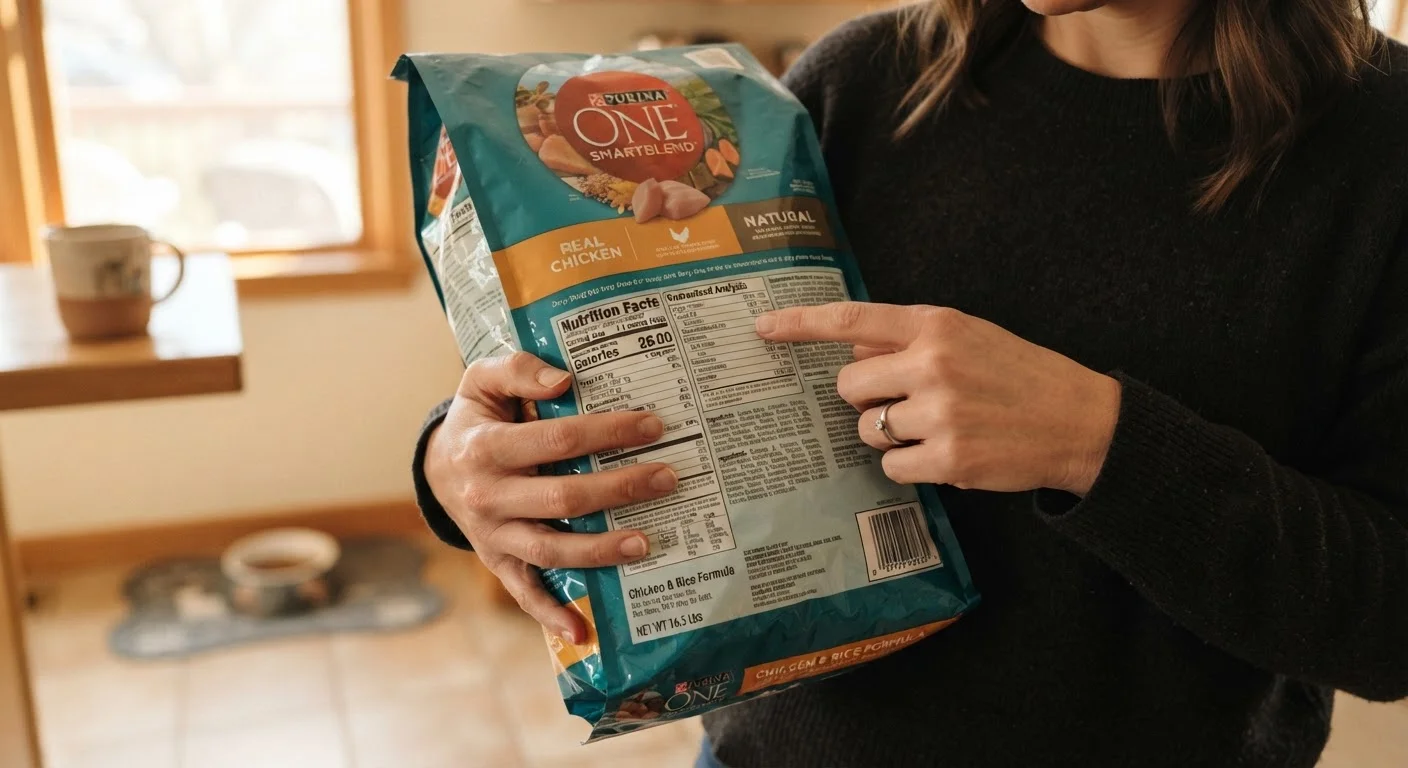
Photo: DockedReads.com | Information Made Easy editorial
Key Takeaways
- An AAFCO nutritional adequacy statement is the single most important line on any pet food label.
- Ingredient order reflects weight before cooking — moisture-heavy items naturally rank higher.
- Life-stage suitability matters: food formulated for adults may not meet a puppy's or kitten's needs.
- Manufacturer transparency — including a published feeding trial history — is a meaningful quality signal.
- No single nutrient percentage tells the full story; evaluate the whole label in context.
Why Label Literacy Matters More Than Marketing
Pet food packaging is designed to attract buyers, not necessarily to inform them. Front-of-bag claims like 'grain-free,' 'natural,' 'premium,' or 'ancestral recipe' are largely unregulated marketing terms — they carry no standardized nutritional meaning under U.S. law. The real information is on the back or side of the package, and knowing how to read it is the difference between a well-informed choice and one driven entirely by branding.
The Association of American Feed Control Officials (AAFCO) establishes the nutritional standards that define whether a pet food is 'complete and balanced' for a given life stage. Understanding what its statements mean — and what they don't — is your first line of defense against nutritionally inadequate products. For a deeper look at how to decode every section of a label, see our guide to what pet food labels actually tell you.
Use the checklist below with the product's actual label in hand. Work through each group in order; the groups are arranged from highest regulatory significance to practical everyday fit.
FDA Pet Food Recall Database
Search for active and historical recall alerts for any pet food brand you are evaluating.
AAFCO Official Website
Reference the current nutrient profiles and understand the standards behind nutritional adequacy statements.
Pet food label or packaging
The primary document you will work through using this checklist — have it in hand before you begin.
Manufacturer's website
Verify production location, staff credentials, and whether detailed nutrient data is publicly available.
Calculator or dry-matter basis worksheet
Convert moisture-adjusted nutrient percentages when comparing wet and dry foods side by side.
How to Work Through the Checklist
Each item is tagged with a priority level. Must items are non-negotiable — a product that fails any of these warrants serious reconsideration. Should items represent strongly recommended standards that most high-quality foods will meet. Nice-to-have items reflect the kind of additional transparency that signals a manufacturer's commitment to quality, but their absence alone is not disqualifying.
This Checklist Is Not a Substitute for Veterinary Guidance
Regulatory & Nutritional Adequacy
Ingredient List Review
Guaranteed Analysis Panel
Manufacturer Transparency
Practical Fit for Your Pet
Once you have completed the checklist and selected a food, the transition process itself matters. Abrupt changes can cause digestive upset in many pets. See our guide to transitioning a pet to a new food without digestive upset for a structured week-by-week approach.
Reading the Numbers in Context
The guaranteed analysis panel is frequently misread. Crude protein at 30% in a dry kibble and 10% in a wet food sounds very different — but once you remove moisture from the equation, those figures can be remarkably close. Our breakdown of the guaranteed analysis panel walks through the dry-matter conversion method and explains what each nutrient figure actually signals about diet quality.
Equally important: a strong protein percentage means little if the protein sources are low in biological availability. Named meat meals (e.g., 'chicken meal') are concentrated protein sources that can legitimately rank lower on the ingredient list yet contribute more protein per gram than a fresh meat listed first. Context and totality matter more than any single data point.
Life-Stage Mismatches Can Cause Real Harm
Recalls Can Happen Without Wide Media Coverage
For guidance on how much to feed once you've chosen a food, portion sizing principles for healthy weight maintenance explains why the bag's feeding chart is only a starting point and how body condition scoring helps you fine-tune amounts for your individual animal.
This article provides general educational information about evaluating pet food labels and is not a substitute for personalized veterinary nutrition advice. Consult your veterinarian before making significant dietary changes, especially for pets with health conditions.
The content on this site is for informational purposes only and is not a substitute for professional advice. Always consult a qualified professional for guidance specific to your situation.