
Transitioning a Pet to a New Food Without Digestive Upset

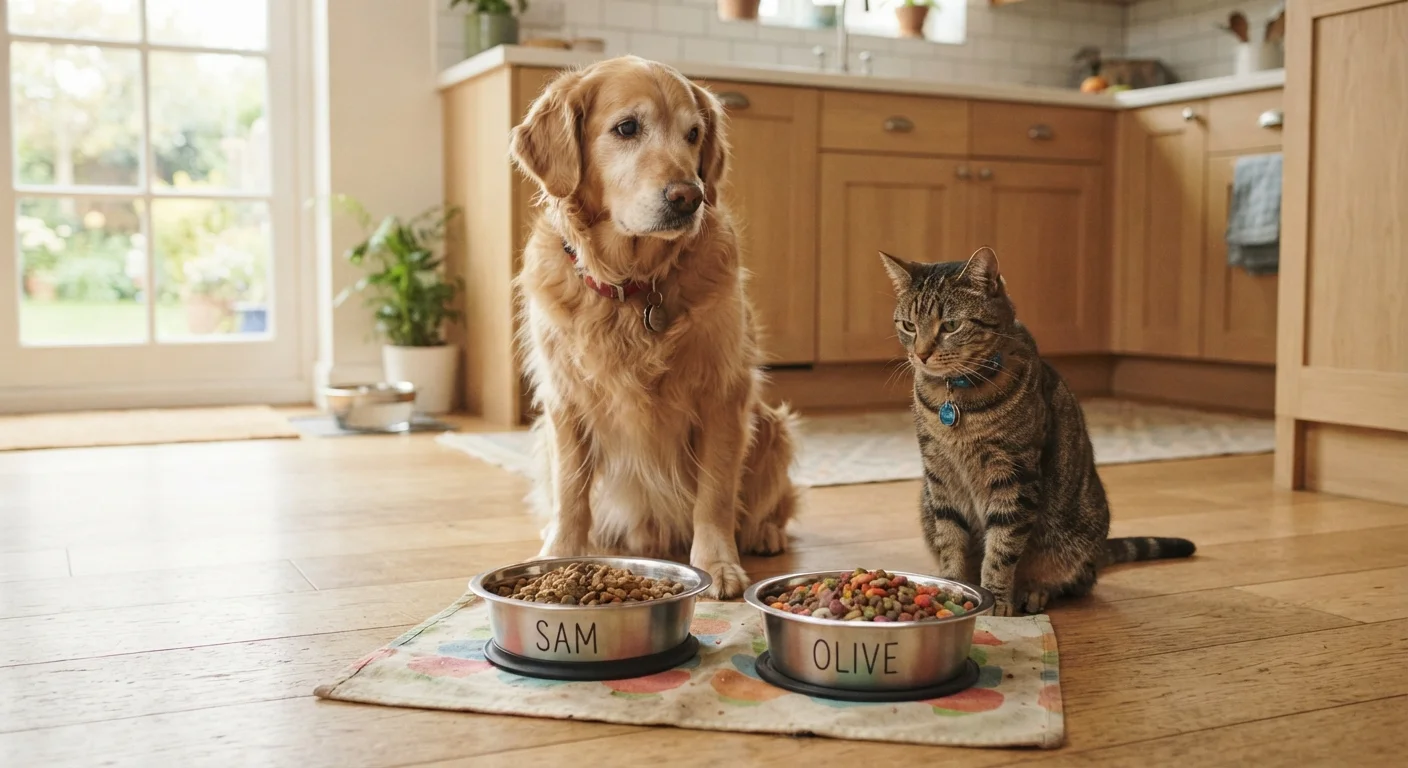
Photo: DockedReads.com | Information Made Easy editorial
Key Takeaways
- Switching pet food too quickly is the leading cause of avoidable digestive upset in dogs and cats.
- A standard 7–10 day transition schedule works for most healthy adult pets.
- Puppies, kittens, seniors, and pets with health conditions may need a slower, extended transition.
- Loose stool, vomiting, or refusal to eat for more than 2–3 days warrants a veterinary call.
- Always consult your vet before switching to a therapeutic or prescription diet.
Why the Gut Needs Time to Adjust
A pet's digestive tract is home to trillions of microorganisms — bacteria, fungi, and other microbes — that collectively make up the gut microbiome. This community is calibrated, over time, to the specific ingredients, fiber types, and protein sources in the food your pet eats regularly. When you introduce a new food, even a nutritionally superior one, the microbiome needs time to produce the right enzymes and shift its microbial balance to handle the new substrate.
Research in veterinary gastroenterology consistently supports gradual dietary transitions as the most reliable way to prevent food-related gastrointestinal disturbance. Sudden changes disrupt microbial populations faster than they can recover, producing the hallmark symptoms of an abrupt switch: loose or watery stool, vomiting, gas, and sometimes complete food refusal.
Understanding this biology makes the transition schedule below easier to follow with confidence, because you're working with your pet's physiology — not fighting it. If you're new to pet nutrition fundamentals, our pet nutrition primer covers macronutrients, label reading, and portion sizing as a starting point.
Never Switch Cold Turkey
What You'll Need Before You Start
Gather the following before beginning the transition. Having everything ready ensures you maintain consistent ratios throughout the process.
What you will need
Kitchen scale or measuring cup
Ensures accurate ratios of old to new food at each transition stage.
Transition log (notebook or app)
Tracks daily ratios and any digestive symptoms so patterns are easy to spot.
Probiotic supplement (vet-approved)
May support gut microbiome stability during the transition in sensitive pets.
If your pet is being brought into a new home, the first-30-days checklist for new pet owners addresses diet transitions alongside other essential health steps in one place.
The Step-by-Step Transition Schedule
Follow the steps below at the pace indicated. If your pet shows digestive symptoms at any stage, hold that ratio for two additional days before advancing rather than reverting completely — unless symptoms are severe or include blood.
Consult Your Vet Before Switching
Before purchasing a new food, confirm the switch is appropriate for your pet's life stage, weight, and health status. This is especially important if your pet is a senior, has a chronic condition, or is currently eating a prescription diet. See our overview on prescription vs. everyday pet food to understand when vet guidance is mandatory rather than optional.
Days 1–2: 75% Old Food, 25% New Food
Begin by replacing roughly one quarter of each meal with the new food. Mix thoroughly so the pet cannot easily sort one from the other. Serve at the regular feeding time and observe for soft stool or reluctance to eat over the next 24–48 hours.
Days 3–4: 50% Old Food, 50% New Food
Move to an equal blend once the pet has tolerated the first stage without significant digestive changes. A slightly softer stool than usual is common and not itself a reason to pause, as long as it resolves within a day or two. If diarrhea or vomiting occurs, hold at this ratio an extra two days before advancing.
Days 5–6: 25% Old Food, 75% New Food
At this stage, the new food is dominant in each meal. Most healthy adult dogs and cats pass through this phase without issue. Continue monitoring stool consistency and energy level. A pet that was already enthusiastic about the new food may show improved appetite at this point.
Days 7–10: 100% New Food
Complete the transition by serving the new food exclusively. For most healthy adult pets, the gut microbiome should have adapted adequately by this point. Continue monitoring stool quality for a further week, as some pets take slightly longer to fully stabilize after the transition is technically complete.
Keep a Simple Transition Log
Watch for These Red-Flag Symptoms
This article is for general informational purposes only and does not constitute veterinary advice. Always consult a licensed veterinarian before making significant changes to your pet's diet, particularly if your pet has a known health condition.
The content on this site is for informational purposes only and is not a substitute for professional advice. Always consult a qualified professional for guidance specific to your situation.