
Pet Health & Care

Dental Disease in Pets Is Far More Common Than Most Owners Realise

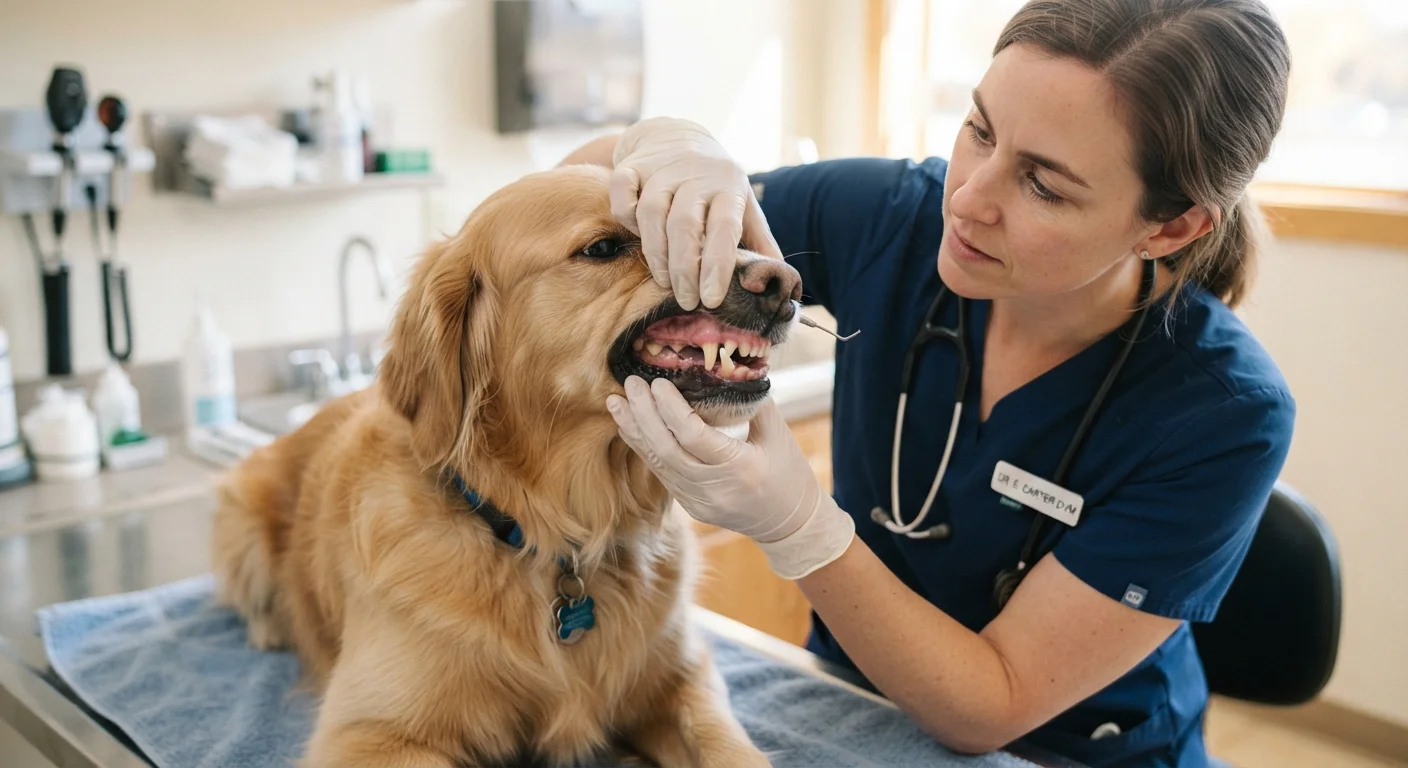
Dental Disease in Pets Is Far More Common Than Most Owners Realise

Photo: DockedReads.com | Information Made Easy editorial

Understand how periodontal disease progresses in dogs and cats, why it's often missed, and how oral hygiene habits can help.

Key Takeaways

  • By age three, most dogs and cats show early signs of periodontal disease, often without visible symptoms.
  • Dental disease can progress silently and lead to systemic health complications if left untreated.
  • Daily tooth brushing with pet-safe products is the most effective at-home prevention method.
  • Annual veterinary dental exams — and professional cleanings when recommended — are essential for oral health.
  • Early detection and consistent home care together significantly reduce the risk of painful tooth loss.

Why Dental Disease Is So Easy to Miss

Periodontal disease — infection and inflammation of the structures supporting the teeth — is the most commonly diagnosed health condition in adult dogs and cats in the United States. According to the American Veterinary Medical Association, studies suggest that by the age of three, the majority of pets already show some degree of periodontal disease. Yet most owners have little idea it's happening.

The reason is straightforward: pets rarely show obvious signs of oral pain. Instinctively, animals tend to continue eating even when their mouths are uncomfortable, masking the problem from owners who rely on behavioral cues. Halitosis (bad breath) is often dismissed as normal, when it is frequently an early indicator of bacterial buildup or infection below the gumline.

Dental disease progresses in four recognized stages, from mild gingivitis (gum inflammation) to severe bone and tissue loss. By the time Stage 3 or 4 is reached, irreversible damage has often occurred — including tooth loss and potential spread of bacteria into the bloodstream, which veterinary research has associated with strain on the kidneys, liver, and heart.

Dental Disease and Systemic Health: What the Research Suggests

Veterinary studies have found associations between severe periodontal disease and changes in kidney, liver, and heart function in dogs and cats. The proposed mechanism involves oral bacteria entering the bloodstream through inflamed gum tissue. While the causal relationship in pets is still an active area of research, veterinarians widely consider good oral hygiene to be a component of overall preventive health care — not a cosmetic concern.

Best Practices for Protecting Your Pet's Oral Health

Proactive oral care doesn't require perfection — it requires consistency. The following practices, grounded in veterinary guidance, give owners a reliable framework for keeping their pets' mouths healthier for longer.

1

Brush your pet's teeth daily using a veterinarian-approved toothbrush and pet-safe toothpaste.

Daily mechanical removal of plaque is the single most effective home intervention for preventing periodontal disease. Human toothpaste contains ingredients such as fluoride and xylitol that are toxic to pets, making pet-specific formulations essential. Consistency matters more than technique — even brief, gentle sessions build tolerance and reduce bacterial load.
Example: A dog owner who spends 60 seconds brushing the outer surfaces of their dog's teeth each evening after a walk can significantly slow plaque-to-tartar conversion over weeks and months.
2

Schedule a professional veterinary dental exam at least once a year.

A veterinarian can detect subgingival (below the gumline) disease, tooth resorption, and bone loss that owners cannot see or feel. Annual exams allow staging of any existing disease and informed decisions about whether a professional cleaning under anesthesia is warranted. Early intervention is less invasive and less costly than treating advanced disease.
Example: A cat brought in for a routine annual wellness visit is found to have Stage 2 gingivitis; the vet schedules a cleaning before it progresses to irreversible tissue damage.
3

Introduce mouth handling to puppies and kittens as early as possible.

Pets that are desensitized to having their mouths touched from a young age are far more tolerant of brushing and veterinary exams throughout their lives. Early habituation reduces stress for both the animal and the owner, making ongoing oral care sustainable. Tolerance built gradually through positive reinforcement is more durable than forcing compliance.
Example: A kitten owner gently touches the kitten's gums and lips for a few seconds each day from eight weeks old, gradually introducing a finger brush over several weeks.
4

Learn to recognize early warning signs of dental disease and act promptly.

Catching periodontal disease at Stage 1 or 2 is significantly better for long-term outcomes than waiting for obvious symptoms. Owners who know what to look for — persistent bad breath, red or swollen gums, visible tartar, pawing at the face, or changes in eating behavior — can seek veterinary input before irreversible damage occurs.
Example: An owner notices their dog is dropping kibble and has developed noticeably darker deposits along the gumline; a vet visit reveals early-stage periodontal disease that is addressed before tooth loss occurs.
5

Use veterinary-approved dental adjuncts as a complement to brushing, not a replacement.

Dental chews, water additives, and prescription dental diets recognized by the Veterinary Oral Health Council (VOHC) have demonstrated efficacy in reducing plaque and tartar in clinical studies. However, no adjunct has been shown to match the effectiveness of daily brushing, and none addresses subgingival disease. They are most valuable as supplementary tools.
Example: A dog owner whose pet tolerates brushing only a few times per week also offers a VOHC-accepted dental chew on non-brushing days to maintain some level of daily oral hygiene.

Quick Wins You Can Start Today

If your pet has never had their teeth brushed or their mouth examined, starting small is entirely appropriate. The habits below are achievable without specialist training and can meaningfully reduce plaque accumulation between vet visits.

high Lift your pet's lip today and look at their gums — healthy gums should be pink, not red, swollen, or pale, and teeth should not have heavy brown or yellow deposits.
high Purchase a finger brush and pet-safe enzymatic toothpaste and spend 30 seconds gently touching your pet's gum line tonight to begin desensitization.
high Call your veterinary practice and ask whether a dental exam has been included in your pet's most recent wellness visit — if not, schedule one.
medium Check that any dental treats or chews you currently use carry the Veterinary Oral Health Council (VOHC) seal, which indicates clinically evaluated plaque or tartar reduction.

Diet also plays a role in oral health. Certain food textures and formulations are designed to mechanically reduce plaque, though these should complement — not replace — brushing and professional care. For a broader view of how nutrition affects your pet's health conditions, see our overview of pet nutrition for common health conditions.

Senior pets are particularly vulnerable, as bone density changes and accumulated wear make dental disease more likely and more consequential. Our guide to caring for a senior pet covers how dental needs shift alongside other age-related changes.

This article is for general informational and educational purposes only and does not constitute veterinary advice. Always consult a licensed veterinarian for guidance specific to your pet's health needs.

Pets & Animals Editorial Team

DockedReads.com | Information Made Easy

Pets & Animals Editorial Team is the collective byline for our editorial team and contributor network. Articles published under this byline or an editorial pen name are researched, written, and reviewed according to our editorial standards for clarity, consistency, and independence before publication.

Pet Health & CarePet Training & BehaviorPet Nutrition & Diet
View author profile

The content on this site is for informational purposes only and is not a substitute for professional advice. Always consult a qualified professional for guidance specific to your situation.