
The Case For and Against DIY Home Repairs

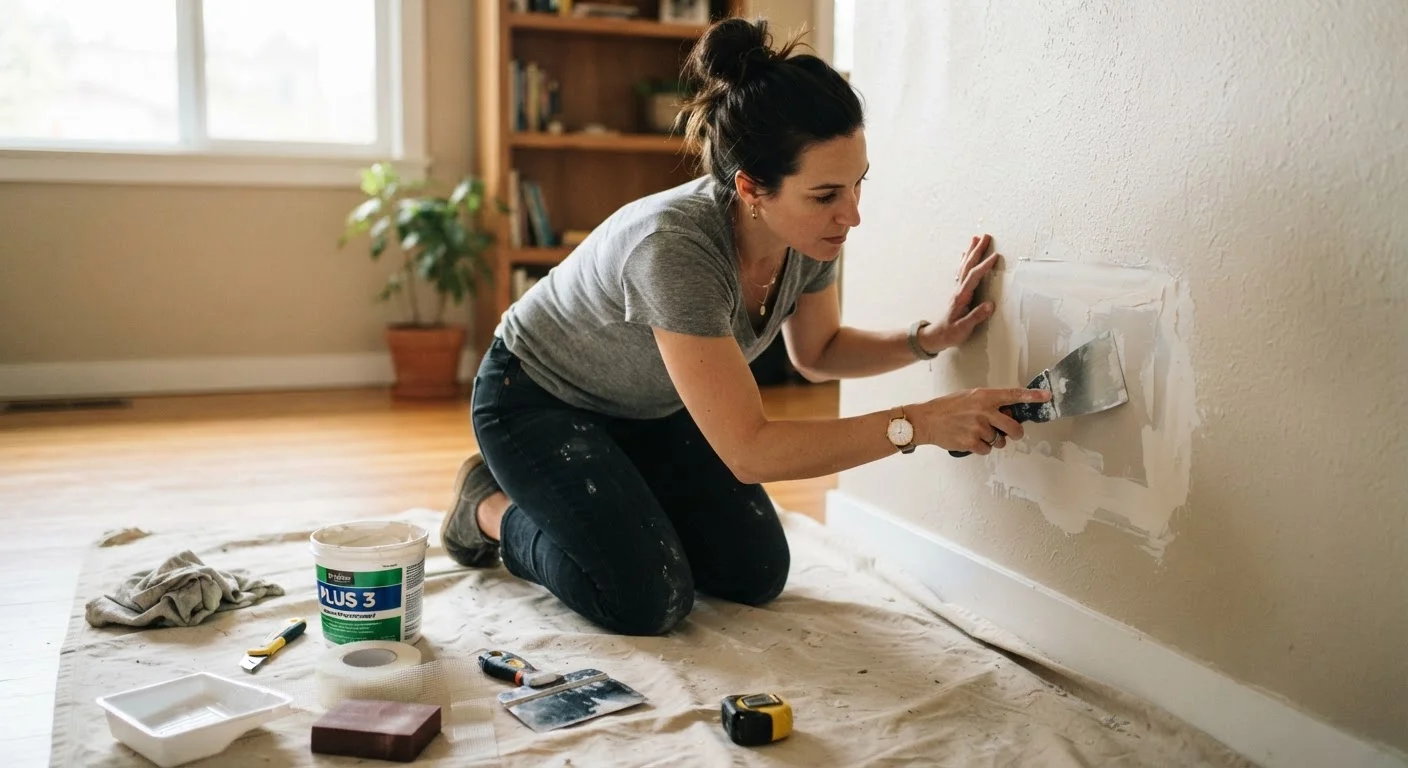
Photo: DockedReads.com | Information Made Easy editorial
Key Takeaways
- DIY repairs can reduce labor costs significantly on straightforward maintenance tasks.
- Some work — electrical, gas, structural, and roofing — carries safety and legal risks that typically require a licensed professional.
- Skill level, available tools, and local permit requirements should all factor into your DIY decision.
- A botched DIY repair can cost more to fix than hiring a pro from the start.
- Starting with low-stakes repairs builds confidence and practical knowledge over time.
Eliminates labor costs on straightforward repairs
Labor typically accounts for 50–70% of a professional repair bill. Handling simple fixes yourself — caulking, patching, basic fixture swaps — keeps that money in your pocket.
Builds lasting practical knowledge
Successfully completing a repair teaches you how your home works, making future maintenance easier to diagnose and address with greater confidence.
Repairs happen on your schedule
You don't need to coordinate availability with a contractor. For non-urgent fixes, this flexibility can prevent small issues from sitting unaddressed and worsening.
Develops an accurate sense of your home's systems
Hands-on work reveals details — pipe routing, wall construction, wiring layouts — that help you make smarter decisions about future improvements and hiring.
Safety risks on hazardous systems are serious
Electrical, gas, and structural work can cause fires, explosions, or collapse if done incorrectly. These categories should default to licensed professionals regardless of confidence level.
Errors can cost more than hiring out originally
A poorly executed repair often requires a professional to undo the DIY attempt before fixing the original problem — doubling the eventual cost.
Permit and code violations carry real consequences
Unpermitted work can halt a home sale, trigger fines, or void insurance claims. Many homeowners don't discover the problem until it becomes urgent and expensive.
Time investment is frequently underestimated
First-time repairs typically take two to three times as long as professional estimates, which can make 'quick fixes' consume entire weekends.
Tool costs reduce actual savings on one-off jobs
Specialty tools required for a single repair — tile saws, drain snakes, oscillating multi-tools — can eliminate the cost advantage if you won't use them repeatedly.
Why the DIY Question Matters
Every homeowner eventually faces a dripping faucet, a cracked tile, or a door that won't latch. At that moment, the question isn't just can you fix it yourself — it's whether you should. The answer depends on the specific repair, your skill level, local codes, and the true cost of getting it wrong.
This article lays out the honest advantages and real drawbacks of DIY home repairs so you can make a clear-eyed call. For a broader perspective on the same trade-offs in improvement projects, see our look at DIY home improvement.
A Note on Safety and Regulated Work
The Case For Doing It Yourself
DIY repairs offer genuine benefits that go beyond the obvious appeal of saving money.
Eliminates labor costs on straightforward repairs
Labor typically accounts for 50–70% of a professional repair bill. Handling simple fixes yourself — caulking, patching, basic fixture swaps — keeps that money in your pocket.
Builds lasting practical knowledge
Successfully completing a repair teaches you how your home works, making future maintenance easier to diagnose and address with greater confidence.
Repairs happen on your schedule
You don't need to coordinate availability with a contractor. For non-urgent fixes, this flexibility can prevent small issues from sitting unaddressed and worsening.
Develops an accurate sense of your home's systems
Hands-on work reveals details — pipe routing, wall construction, wiring layouts — that help you make smarter decisions about future improvements and hiring.
For smaller, well-documented tasks — patching drywall, replacing a showerhead, sealing a drafty window — the learning curve is manageable and the risk of serious error is low. Our guide to patching drywall holes shows just how approachable these tasks can be with basic tools and a methodical approach.
Building competence in stages matters too. Homeowners who start small and succeed tend to develop the judgment to recognize when a repair exceeds their skills — which is arguably the most valuable skill of all. See Home Improvement for First-Timers for a structured starting point.
~35%
Share of home repair costs typically from materials
Industry estimates generally place materials at roughly one-third of a professional repair bill, with the remainder covering labor — illustrating where DIY savings concentrate.
2–3×
Longer time for first-time DIY repairs vs. professional estimates
Experienced tradespeople complete familiar repairs significantly faster than first-timers; factoring in your own time helps frame the real cost of DIY.
The Case Against — Real Risks to Weigh
DIY enthusiasm, without honest limits, can create problems that are harder and costlier to resolve than the original issue.
Safety risks on hazardous systems are serious
Electrical, gas, and structural work can cause fires, explosions, or collapse if done incorrectly. These categories should default to licensed professionals regardless of confidence level.
Errors can cost more than hiring out originally
A poorly executed repair often requires a professional to undo the DIY attempt before fixing the original problem — doubling the eventual cost.
Permit and code violations carry real consequences
Unpermitted work can halt a home sale, trigger fines, or void insurance claims. Many homeowners don't discover the problem until it becomes urgent and expensive.
Time investment is frequently underestimated
First-time repairs typically take two to three times as long as professional estimates, which can make 'quick fixes' consume entire weekends.
Tool costs reduce actual savings on one-off jobs
Specialty tools required for a single repair — tile saws, drain snakes, oscillating multi-tools — can eliminate the cost advantage if you won't use them repeatedly.
Code compliance is a particularly common blind spot. Many US jurisdictions require permits for electrical work, plumbing modifications, structural changes, and HVAC work. Unpermitted repairs can complicate a home sale, void your homeowner's insurance claim, or create liability if an injury occurs. Before starting any significant repair, check with your local building department — not just YouTube.
It's also worth reading our piece on home maintenance myths that cost homeowners — several common DIY instincts turn out to be counterproductive or outright wrong.
A Practical Framework for Deciding
Before picking up a tool, run the repair through these four questions:
- Is it permitted work? Electrical panel changes, gas line work, and structural modifications typically require licensed contractors and inspections in most US states. Don't guess — verify locally.
- Do you have the tools — and the skill to use them? Some repairs require specialized equipment that's costly to rent and difficult to use safely without experience.
- What's the cost of failure? A misaligned cabinet door is forgiving. A leaking supply line behind drywall is not. Weight the stakes proportionally.
- Will it affect your insurance or warranty? Certain repairs — especially roofing and HVAC — can affect coverage if not completed by a licensed trade. Check your policy before proceeding.
For a complete picture of planning larger projects within these constraints, the end-to-end home renovation resource covers scoping, permitting, and knowing when to bring in professionals.
The content on this site is for informational purposes only and is not a substitute for professional advice. Always consult a qualified professional for guidance specific to your situation.