
Drywall Damage Explained: Holes, Cracks, and What Each Type Signals

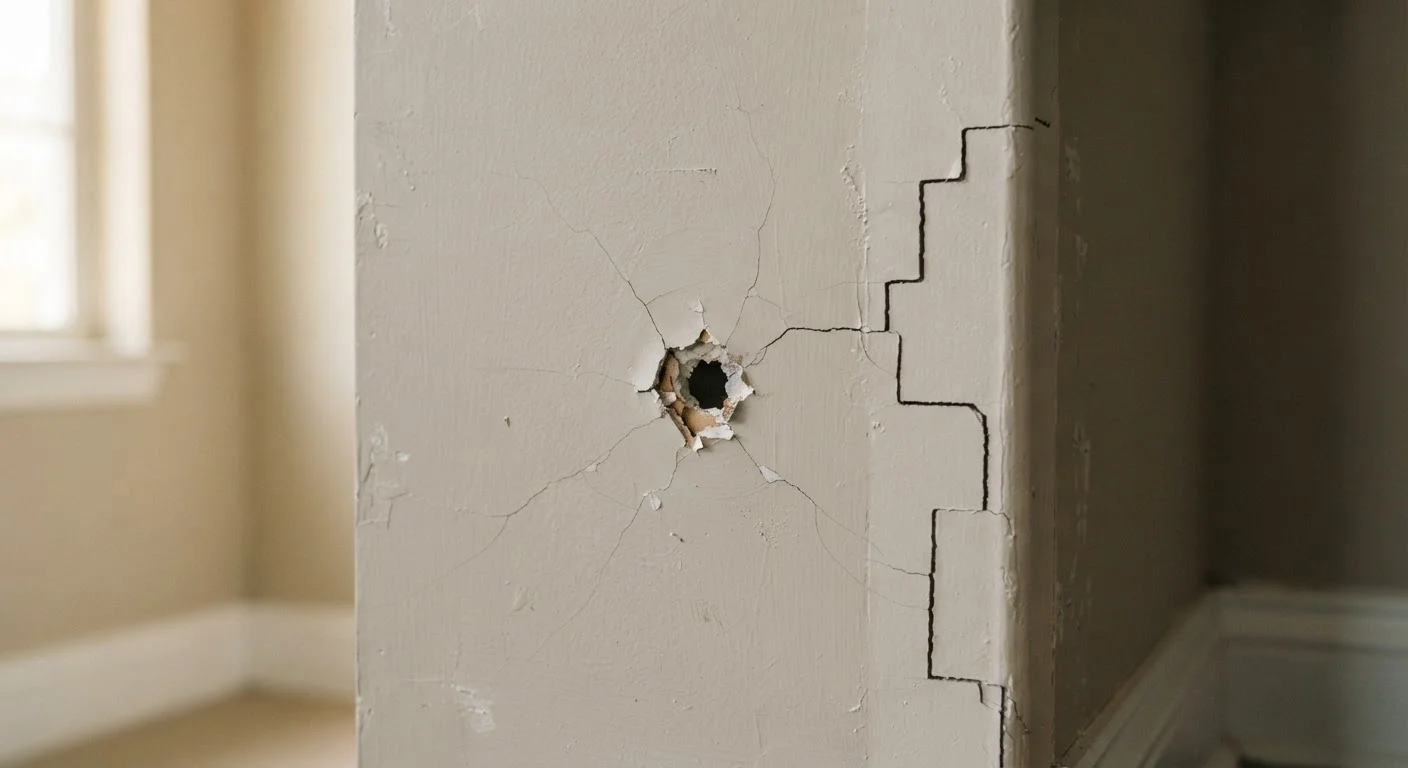
Photo: DockedReads.com | Information Made Easy editorial
Key Takeaways
- Small, isolated holes from fasteners or doorknobs are cosmetic and straightforward to repair.
- Hairline cracks along seams usually reflect normal settling or seasonal humidity changes.
- Stair-step cracks following drywall joints can signal foundation movement and may need a professional assessment.
- Horizontal cracks on basement or exterior walls deserve immediate attention from a structural specialist.
- Damage near windows or doors often points to frame movement rather than the drywall itself.
- Identifying the damage type before buying repair materials saves time and prevents repeat fixes.
Why the Type of Damage Matters
When a wall gets damaged, the instinct is usually to reach for spackling paste and move on. But not all drywall damage is created equal. The shape, location, and pattern of a crack or hole often communicates something specific — about how the house was built, how it's settling, or whether a larger issue is lurking behind the surface.
Understanding what you're looking at before you repair it prevents two common mistakes: over-reacting to normal cosmetic flaws, and under-reacting to warning signs that need professional eyes. This guide breaks down the most common damage types and what each one typically signals.
~90%
Of US homes built with drywall
The vast majority of American homes built after the mid-20th century use gypsum drywall as the primary interior wall material, according to the Gypsum Association.
3–5 years
Typical new-construction settling window
Building professionals generally note that new homes can experience minor drywall cracking and nail pops for several years as framing lumber dries and the structure settles.
6 inches
Common DIY repair size threshold
Many contractors and drywall guides use six inches as a general guideline above which repair complexity increases significantly and professional help may be warranted.
Holes: Size and Cause Tell the Story
Holes fall into a few predictable categories based on how they got there.
- Nail and screw holes (under ¼ inch): These are cosmetic. They're left behind by picture hooks, anchors, or mounting hardware and require nothing more than a dab of joint compound.
- Doorknob impact holes (1–3 inches): A common result of a door swung open without a stopper. The hollow core of most interior drywall offers little resistance. These are easy patch jobs — see our step-by-step small hole repair guide for a straightforward approach.
- Accidental impact holes (3–6 inches): Furniture corners, moving accidents, or a misplaced foot through a ceiling panel. Structurally insignificant, but they do require a proper backing patch rather than just compound.
- Large or irregular holes (over 6 inches): These may expose wiring, pipes, or insulation. Before patching, check what's inside. If anything looks damaged or unexpected, stop and consult a licensed professional.
Mark and Monitor Before Repairing
Cracks: Reading the Pattern
Cracks are where drywall damage becomes genuinely diagnostic. The pattern a crack follows is the key to understanding its cause.
Hairline Cracks Along Seams
These thin lines running along the taped joints between panels are extremely common. They usually result from the wood framing drying and shrinking after construction, or from seasonal humidity cycling that causes slight expansion and contraction. In most cases, these are cosmetic. Re-tape, skim with joint compound, and repaint.
Cracks Radiating from Corners of Openings
Diagonal cracks at 45-degree angles from the corners of windows and doors are almost always caused by normal frame movement. The framing lumber shifts with temperature and moisture, and the rigid drywall cracks at the stress point. These are generally cosmetic but may recur if the underlying movement continues.
Stair-Step Cracks
A crack that travels diagonally by following the horizontal and vertical joints — creating a staircase shape — is a more serious signal. This pattern typically indicates that one section of the home's foundation has moved relative to another. Minor settling in newer homes can produce this, but a stair-step crack that is widening, recurring after repair, or accompanied by sticking doors and uneven floors warrants a structural evaluation.
Horizontal Cracks on Basement or Lower Walls
Horizontal cracks, especially on basement walls or the lower sections of exterior-adjacent walls, can indicate lateral pressure from soil or water against the foundation. This is a structural concern and should be assessed by a licensed engineer or foundation contractor — not patched over.
When to Call a Structural Engineer
Water Damage vs. Mechanical Damage
One distinction every homeowner should be able to make is between mechanical damage (impact, stress, settling) and water damage. Water-damaged drywall has a distinct profile: the paper facing bubbles or peels, the surface feels soft or spongy when pressed, staining appears in tan or brown rings, and there may be a musty odor.
Repairing water-damaged drywall without fixing the source of moisture guarantees the problem returns — and wet drywall can develop mold if left unaddressed. Always locate and resolve the water intrusion first. If you suspect mold growth inside the wall cavity, consult a qualified contractor before opening the wall yourself.
Once the area is dry and the leak is resolved, the repair process is similar to other patch work. For a complete overview of techniques across damage scales, the drywall repair walkthrough covers finishing steps that help patches blend in — including why primer matters before paint, which connects to issues like patchy paint after drying.
“The wall is telling you something. Your job as a homeowner is to learn to read it before you paint over it.”
— Common advice among home inspectors, General principle cited in home inspection education materials
Frequently Asked Questions
The content on this site is for informational purposes only and is not a substitute for professional advice. Always consult a qualified professional for guidance specific to your situation.