
Reading a Vehicle History Report: What the Data Points Mean

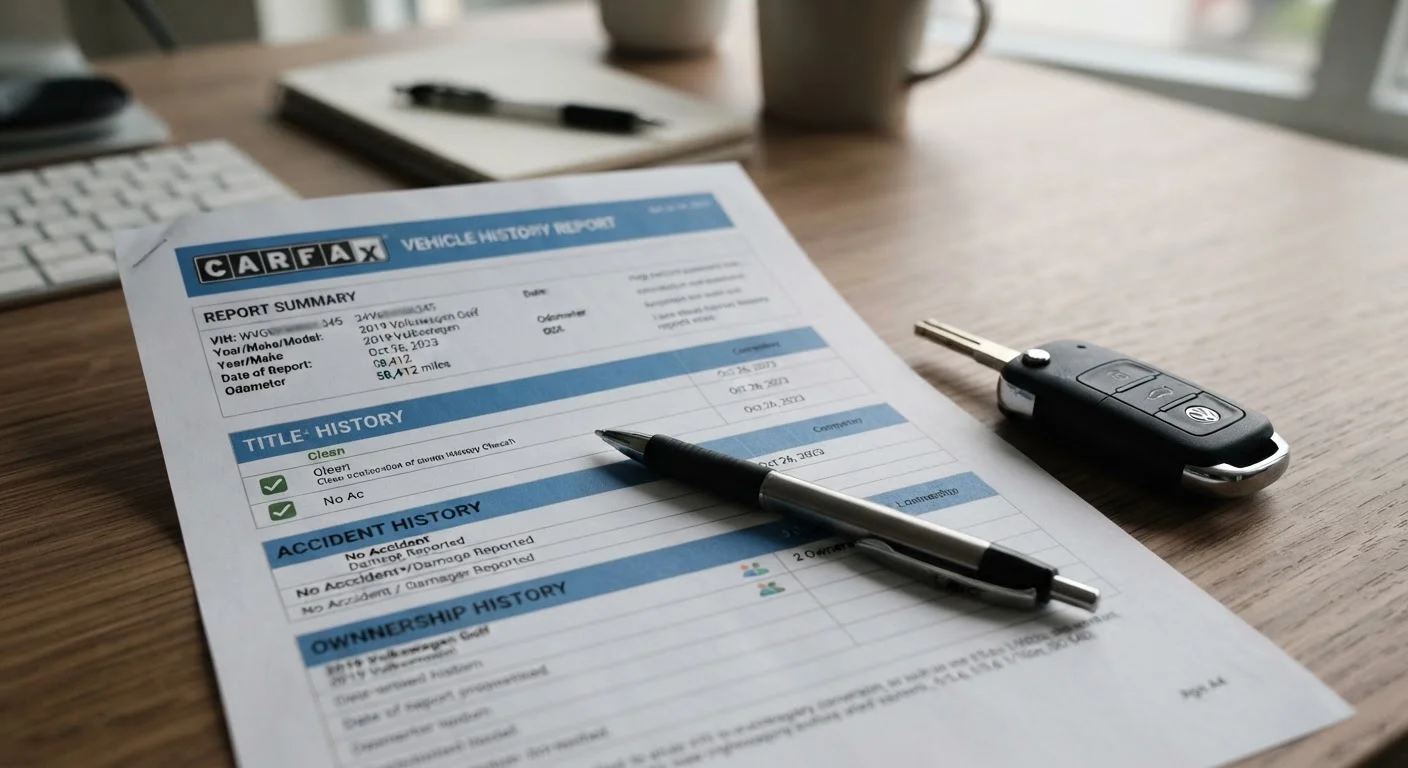
Photo: DockedReads.com | Information Made Easy editorial
What a Vehicle History Report Actually Contains
A vehicle history report is a compiled record of publicly reported events tied to a specific car, truck, or SUV — identified by its VIN, a unique 17-character code assigned at manufacture. These reports are assembled from state DMV records, insurance industry databases, auction records, and other data sources. No report is guaranteed to be complete, since not every incident gets officially reported, but they remain one of the most useful tools available when evaluating a used vehicle.
Most reports are organized into several distinct sections. Knowing what each one is actually measuring — and what its limitations are — lets you interpret the data rather than simply react to it.
| Primary identifier used | 17-character VIN (Vehicle Identification Number) |
| Common data sources | State DMV records, insurance databases, auction records, dealer inspections |
| Title brand examples | Salvage, Rebuilt, Flood, Lemon Law Buyback, Odometer Rollback |
| Recall verification | NHTSA official website (free, VIN-based lookup) (National Highway Traffic Safety Administration) |
| Limitation to know | Private repairs and unreported incidents do not appear in the report |
Title Brands and What They Signal
One of the most consequential sections in any history report is the title brand record. A title brand is a notation placed on a vehicle's legal title by a state agency to disclose a significant event in the car's past. Common brands include:
- Salvage: The vehicle was declared a total loss by an insurer, typically because repair costs exceeded a set percentage of its market value.
- Rebuilt/Reconstructed: A previously salvaged vehicle that has since been repaired and reinspected. These can be road-legal but carry permanent stigma on resale and may affect insurability.
- Flood/Water Damage: The vehicle sustained water intrusion significant enough to trigger an insurance claim or state record.
- Lemon Law Buyback: The manufacturer repurchased the vehicle under a state lemon law after repeated, unresolved defects.
- Odometer Rollback: A documented discrepancy indicating the mileage shown may have been altered.
A clean title means no such brand has been recorded — but it does not guarantee the vehicle has never been in an accident or had issues that weren't reported. For a fuller picture of title paperwork, see how vehicle titles and registration work.
VIN
Vehicle Identification Number — a unique 17-character alphanumeric code assigned to every motor vehicle at the point of manufacture. It serves as the vehicle's permanent identifier across all official records.
Title brand
A notation placed on a vehicle's legal title by a state agency to disclose a significant event, such as a total loss declaration, flood damage, or odometer discrepancy. Brands follow a vehicle through ownership transfers.
Salvage title
A title brand issued when an insurer declares a vehicle a total loss, typically because estimated repair costs exceed a threshold percentage of the vehicle's actual cash value at the time of the claim.
Rebuilt/Reconstructed title
A title status given to a previously salvage-branded vehicle that has been repaired and passed a state reinspection. The vehicle may be legally operated but the brand remains on record permanently.
Open recall
A safety recall issued by a vehicle manufacturer that has not yet been completed on a specific vehicle. Recall repairs are performed free of charge at authorized dealerships.
Odometer rollback
Deliberate alteration of a vehicle's odometer reading to show lower mileage than actually accumulated. It is a federal crime under U.S. law and can be flagged via inconsistent mileage records in a history report.
Accident Records, Odometer History, and Ownership Data
Accident and damage records are drawn from insurance claims, police reports, and inspection records. The report typically indicates whether an incident was minor (airbags not deployed, no structural damage noted) or more significant. Keep in mind: private-party repairs made without an insurance claim often leave no trace in these records.
Odometer readings are logged each time a vehicle passes through a DMV transaction, auction, or dealer inspection. A consistent, upward progression is normal. Readings that decrease over time, or large unexplained gaps between readings, warrant closer scrutiny. Odometer fraud remains a documented problem in the used-car market.
Ownership history shows how many registered owners the vehicle has had, which states it was titled in, and whether it was used as a personal vehicle, rental fleet, or commercial unit. A vehicle with frequent short-term owners or extensive rental history may have experienced higher wear than its mileage alone suggests.
1 in 5
Used vehicles with a title brand on record
Industry estimates suggest roughly one in five used vehicles carries some form of title brand, underscoring why checking is worthwhile.
450,000+
Estimated odometer fraud cases annually (US)
The National Highway Traffic Safety Administration has historically cited odometer fraud as a persistent problem affecting used-car buyers each year.
For context on how these data points affect long-term value, see our piece on depreciation and vehicle value over time.
Service Records and Open Recalls
Some history reports include a service history section, populated when maintenance was performed at a dealership or a repair shop that reports to the data network. Regular, documented oil changes and scheduled maintenance are a positive signal — though again, work done privately won't appear here. To understand why a complete service paper trail matters, see why keeping a service record matters.
An open recall flag means a safety recall issued by the manufacturer has not yet been completed on that vehicle. Recalls are free to fix at authorized dealerships, and an open recall is not necessarily a dealership's red flag — but it does mean the owner will need to schedule that repair. You can independently verify recall status using a vehicle's VIN at the NHTSA official website.
History Reports Are a Starting Point, Not a Final Answer
When reviewing any history report alongside the full purchase paperwork, review all key documents before signing to ensure nothing is missed.
The content on this site is for informational purposes only and is not a substitute for professional advice. Always consult a qualified professional for guidance specific to your situation.