
Buying a Used Car: The Documents You Should Review Before Signing

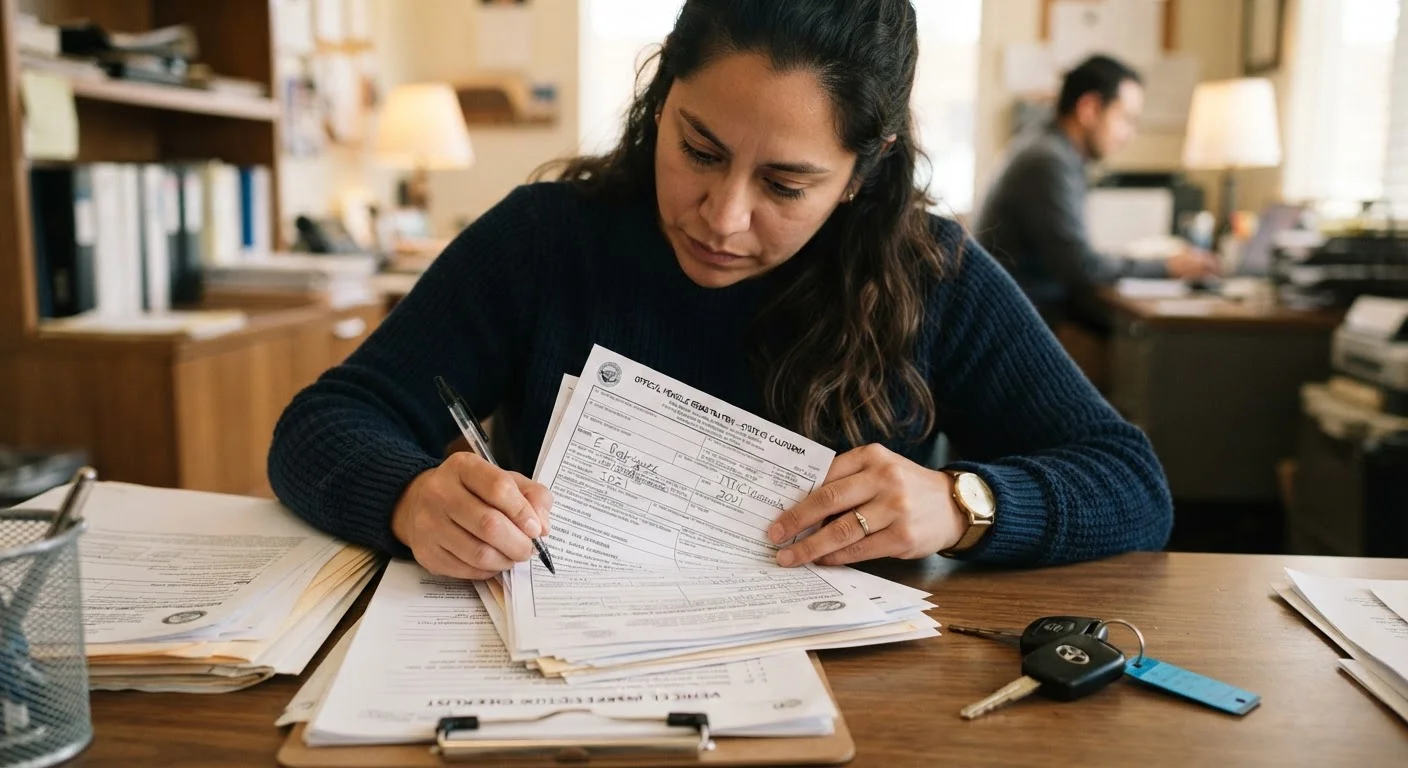
Photo: DockedReads.com | Information Made Easy editorial
Key Takeaways
- The vehicle title must be clean, correctly signed, and free of lien encumbrances before you accept the keys.
- A vehicle history report reveals accident records, odometer discrepancies, and title brands that a seller may not volunteer.
- Federal law requires an odometer disclosure statement for most used vehicle sales — verify it matches the dashboard reading.
- Review the buyer's order line by line; dealer fees and add-ons can significantly inflate the final price.
- Always confirm the VIN matches across every document and on the vehicle itself before signing anything.
Why Document Review Is Non-Negotiable
Buying a used car is one of the larger financial decisions most people make. Yet the paperwork phase — the stack of forms slid across the desk just before you hand over payment — often gets less scrutiny than the test drive. That's a costly oversight. Errors, omissions, or outright fraud in used-car paperwork can leave you holding a vehicle with an undisclosed lien, a rolled-back odometer, or a title branded "salvage" that was never disclosed.
The documents covered in this checklist are the ones that determine legal ownership, reveal the vehicle's financial and mechanical history, and lock in the final transaction price. Each one deserves your full attention before you sign. For a deeper look at what titles and registration certificates actually establish, see our plain-language guide to car titles and registration.
Ownership and Title Documents
Vehicle History Report
Odometer Disclosure and Federal Forms
Purchase Agreement and Buyer's Order
Maintenance and Inspection Records
Tools That Help You Verify the Paperwork
You don't need a lawyer in the room to review used-car documents competently, but a few resources make the process faster and more reliable.
VIN decoder / vehicle history service
Used to pull a detailed history report using the vehicle's VIN, revealing title brands, accidents, odometer data, and ownership history.
NHTSA safety recall database (nhtsa.gov)
Allows you to search open and completed safety recalls by VIN — free to use and maintained by the federal government.
State DMV title lookup tool
Many state DMVs offer online tools to verify whether a title is clean or encumbered with a lien before you finalize a purchase.
Independent pre-purchase inspection service
A licensed mechanic performs a physical inspection of the vehicle to identify mechanical issues not visible in paperwork.
Once you've confirmed the documents are in order and the sale closes, you'll also need to think ahead to insurance and ongoing ownership costs. Our guide covering insurance, costs, and paperwork for new car owners is a practical next step.
One Final Step: After the Sale
Once every document passes review and you complete the purchase, the title transfer process begins. Most states require you to submit the signed title and supporting forms to your state DMV within a set window — often 10 to 30 days. Missing that deadline can result in penalties or complications with registration.
For a state-by-state walkthrough of exactly how that process works, refer to our article on transferring a car title. And once you're on the road, building regular maintenance habits starts with a solid inspection routine — the annual vehicle inspection checklist is a good place to begin.
Never Accept a Title That Isn't Signed
This article provides general informational guidance about used vehicle purchase documentation. It is not legal or financial advice. Document requirements vary by state. Consult your state DMV and, where appropriate, a licensed attorney or financial professional for guidance specific to your situation.
The content on this site is for informational purposes only and is not a substitute for professional advice. Always consult a qualified professional for guidance specific to your situation.