
Keeping a Service Record and Why It Matters More Than Most Drivers Realise

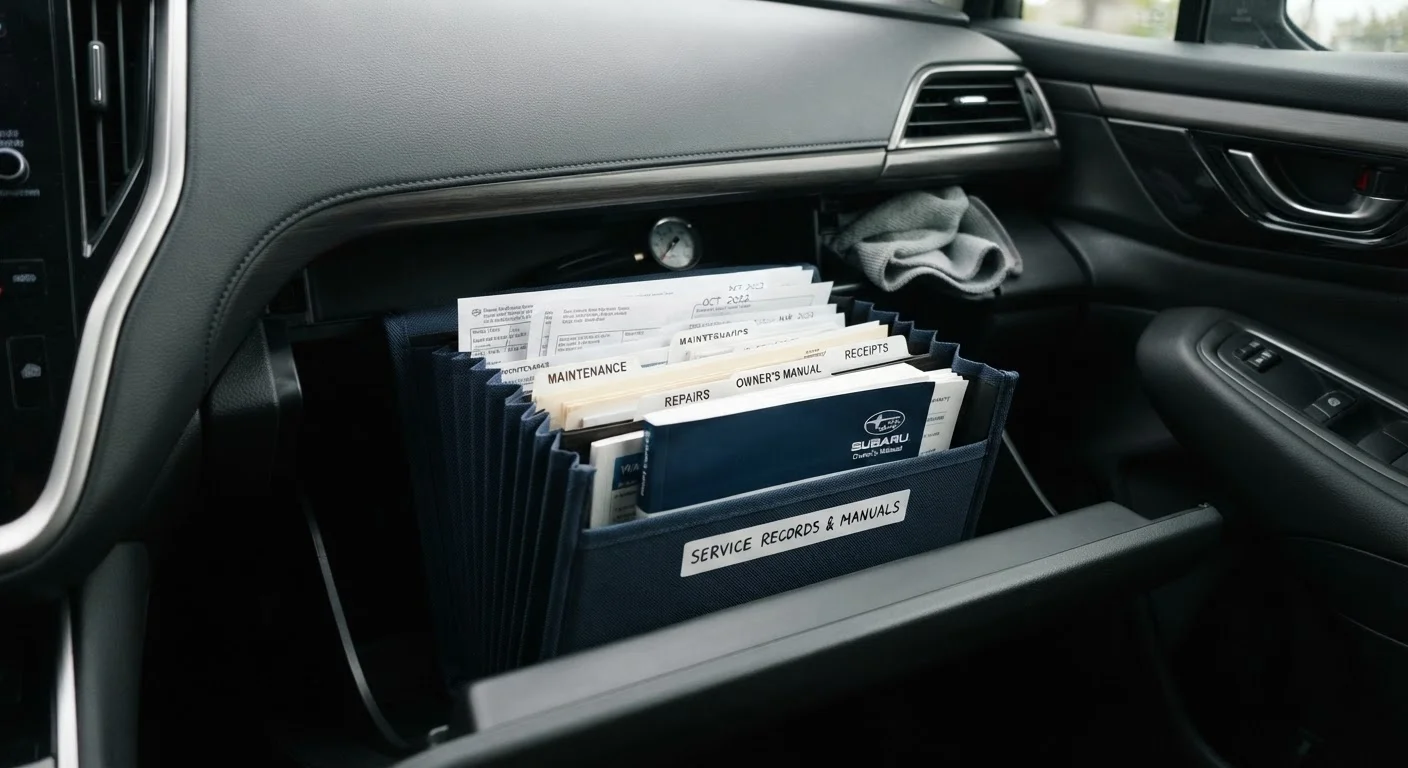
Photo: DockedReads.com | Information Made Easy editorial
Key Takeaways
- A complete service record increases resale value and builds buyer confidence when selling your vehicle.
- Gaps in maintenance history can void warranty claims and complicate insurance or dispute situations.
- You don't need a dealership to build a valid service record — independent shops and DIY logs both count.
- Digital and physical records together offer the most reliable long-term documentation strategy.
- Consistent record-keeping helps you catch patterns, like recurring issues, that a single mechanic visit might miss.
What a Vehicle Service Record Actually Contains
A vehicle service record is a running log of every maintenance or repair event performed on a car during its lifetime. At minimum, a thorough record documents the date of service, the mileage at time of service, the specific work performed, the parts replaced or fluids used, and the name and location of the shop or technician who did the work.
Beyond oil changes, a complete record covers tire rotations, brake inspections, air filter replacements, timing belt or chain services, transmission fluid exchanges, and any unscheduled repairs such as sensor replacements or belt failures. Warranty-related repairs performed at a dealership are typically logged in the manufacturer's system, but that data isn't always automatically available to you — it's worth requesting printed records after any covered service.
Understanding what belongs in a service record pairs well with knowing how to read third-party data. See our guide to vehicle history reports for context on what external databases capture versus what only you can document.
How Service History Directly Affects Resale Value
When a prospective buyer evaluates a used vehicle, a verifiable service history is one of the most persuasive tools available. It signals that the previous owner treated the car responsibly, that known maintenance intervals were honored, and that there are fewer hidden surprises waiting underneath the hood.
Up to $500+
Potential resale premium for documented service history
Industry observers and used-car professionals consistently note that verifiable maintenance records can meaningfully increase private-party sale prices, with the gap widening on higher-mileage vehicles.
1 in 3
Used-car buyers who say missing records are a dealbreaker
Consumer surveys on used vehicle purchasing habits regularly find that a significant share of buyers will walk away from an otherwise attractive vehicle if no service documentation is available.
Conversely, a spotty or missing service record raises red flags. Buyers have no way to confirm whether a timing belt was replaced before its interval, whether the transmission was ever serviced, or whether recurring issues were ever properly diagnosed. This uncertainty typically translates into lower offers or a longer time on market.
Service history is just one factor in the broader picture of how vehicles lose value over time. Our article on depreciation and vehicle value explains the full range of forces that affect what your car is worth when it's time to sell or trade.
Best Practices for Building and Maintaining Your Records
Building a reliable service record doesn't require specialized software or a dealership relationship. It requires consistency and a basic organizational habit. The following practices represent the most effective approaches for everyday drivers.
Request a printed or emailed receipt after every service visit, regardless of how minor the work seems.
Store records in both a physical folder in your vehicle and a dedicated digital folder on cloud storage.
Log every maintenance event with mileage, not just date.
Contact previous service providers for historical records when you purchase a used vehicle.
Cross-reference your own records with any third-party vehicle history report annually.
Common Mistakes That Create Gaps in Your History
Even well-intentioned drivers can end up with incomplete records. One of the most frequent mistakes is assuming the shop retains everything. While many shops do maintain digital records, they are not obligated to hold them indefinitely, and data is sometimes lost during system migrations or business closures.
What Happens When a Shop Closes or Changes Ownership
Another gap creator is performing maintenance yourself without logging it. DIY oil changes, filter swaps, and fluid top-offs are entirely valid — and can be documented with nothing more than a dated notebook entry listing the mileage, product used, and task completed. Receipts from auto parts purchases serve as supporting evidence.
Some drivers believe servicing outside the dealership will void their factory warranty — this is a persistent myth. Under the Magnuson-Moss Warranty Act, manufacturers generally cannot require you to use their branded service centers for routine maintenance to maintain warranty coverage. For a broader look at misconceptions like this, see our piece on common car ownership myths.
For a broader annual maintenance perspective that connects to record-keeping, the annual car ownership tasks checklist is a useful companion resource.
“Documentation is the difference between a car's history being a selling point and a question mark. Buyers don't just buy the vehicle — they buy confidence in what's been done to it.”
— Consumer Automotive Advisors, Used vehicle valuation and consumer guidance professionals
The content on this site is for informational purposes only and is not a substitute for professional advice. Always consult a qualified professional for guidance specific to your situation.