
Transferring a Car Title: A Step-by-Step Walkthrough

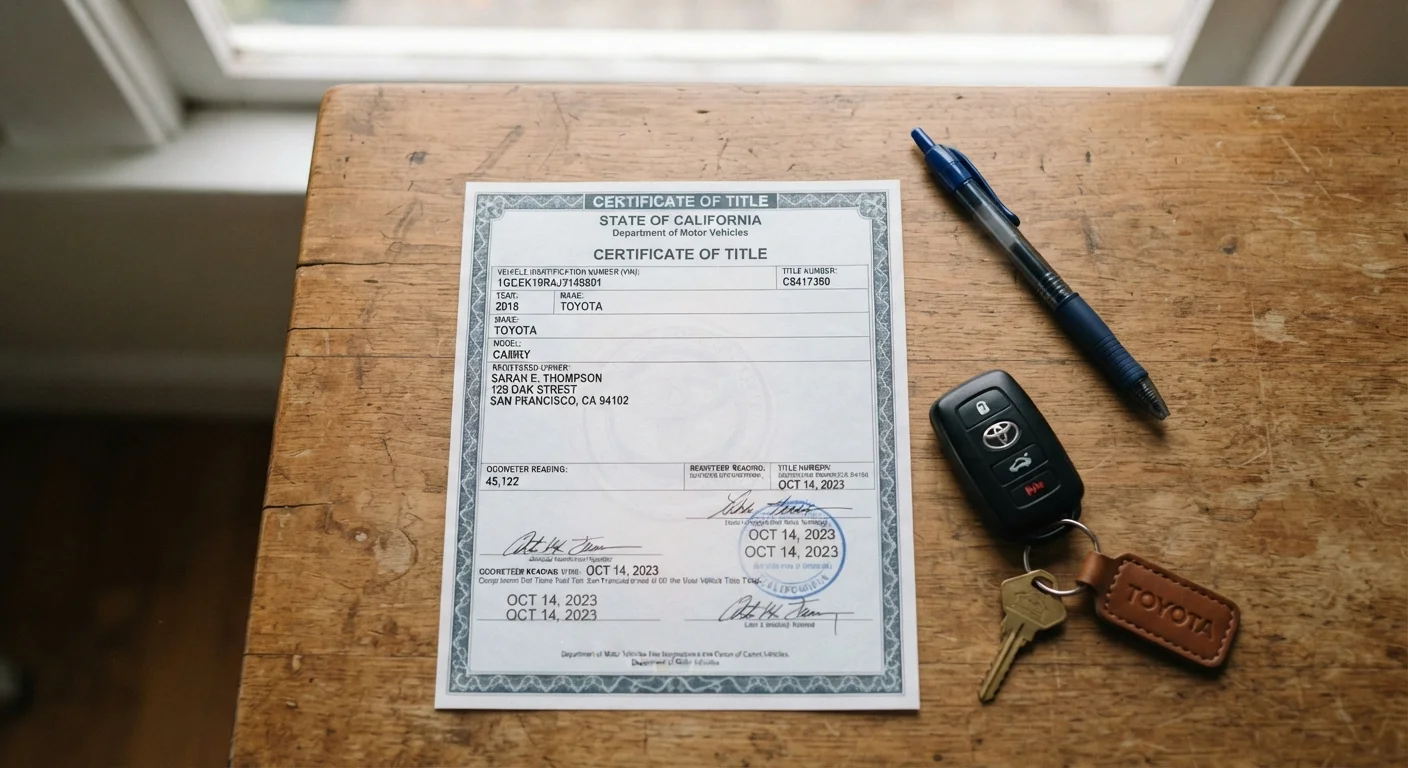
Photo: DockedReads.com | Information Made Easy editorial
Key Takeaways
- Both seller and buyer must sign the title correctly — errors can void the transfer.
- Most states require the transfer to be completed at the DMV within a set deadline, often 10–30 days.
- A lien on the title must be released before a private transfer can legally proceed.
- Transfer fees, sales tax, and odometer disclosure requirements vary by state.
- Gifted and inherited vehicles follow modified procedures that may differ from a standard sale.
Why the Title Transfer Process Matters
A vehicle title is the document that legally establishes who owns a car. Until the title is properly transferred and recorded with your state's motor vehicle authority, the seller remains the legal owner — even if the keys and cash have already changed hands. That means unpaid parking tickets, accidents, or liability claims tied to the vehicle could still land in the seller's lap. For buyers, an untransferred title creates problems when obtaining insurance, registering the vehicle, or eventually selling it again.
Whether you're completing a private sale, accepting a vehicle as a gift, or inheriting one after a family member's death, the core process follows a similar path. See our plain-language guide to titles and registration for a deeper look at what these documents legally represent and why both matter for ownership.
What you will need
What You'll Need Before You Start
Having the right documents assembled before you sit down to sign saves time and prevents failed DMV submissions. The requirements below apply to most standard private-party sales; gifted and inherited vehicles may require additional state-specific forms. If you're purchasing from a dealership, the dealer typically handles the title paperwork on your behalf — private sales require both parties to manage this independently.
Original Vehicle Title
The primary legal document that must be signed over from seller to buyer to transfer ownership.
Bill of Sale
Documents the transaction price and terms, required by many states and useful for sales tax calculation.
Odometer Disclosure Statement
Federal law mandates mileage disclosure for most vehicles under 10 years old; often printed on the title itself.
Lien Release Letter
Issued by the lienholder once a loan is paid off; proves the title is clear of any outstanding debt.
State DMV Title Transfer Form
Some states require a separate application form in addition to the signed title.
For a broader look at the documents involved in used vehicle transactions, our guide on documents to review before signing covers what to examine before you commit to a purchase.
Step-by-Step: Completing the Transfer
Follow each step carefully. Errors in signing, missing disclosures, or unresolved liens are the most common reasons the DMV rejects a title transfer. Most states give buyers a window of 10 to 30 days after the sale date to complete the transfer — missing that deadline can result in late fees.
Confirm the title is clear of liens
Before any transfer can take place, verify that no lender holds a financial claim on the vehicle. Look at the front of the title — if a lienholder is listed, that institution must issue a formal lien release before the seller can legally sign the title over. Contact the lender directly if the loan has been paid off but no release was provided. Never proceed with a private purchase on a title that still shows an active lien.
Review the title for accuracy before signing
Check that the Vehicle Identification Number (VIN), year, make, and model on the title match the physical vehicle exactly. Confirm the seller's name on the title matches their government-issued ID. Any discrepancy — even a misspelled name — can cause the DMV to reject the transfer. If you spot an error, the current owner must apply for a corrected title from the DMV before proceeding.
Complete the odometer disclosure
Federal law under the Truth in Mileage Act requires the seller to disclose the vehicle's actual mileage at the time of transfer for most vehicles under 10 years old. This disclosure is typically printed on the title itself. The seller fills in the current odometer reading, signs, and dates the field. The buyer also signs to acknowledge the disclosure. Inaccurate or absent odometer disclosures can result in federal penalties.
Seller signs the title over to the buyer
The seller must sign the title in the designated "seller's signature" section — exactly as their name appears on the title. If two names appear joined by "and," both owners must sign. If joined by "or," only one signature is needed. Print the buyer's full legal name in the buyer's section. Use a pen with permanent ink and avoid correction fluid — most DMVs will not accept a title with white-out or crossed-out entries.
Prepare a bill of sale
A bill of sale is a simple written record of the transaction that documents the agreed sale price, the date of sale, the vehicle's VIN, and the names and addresses of both parties. Many states require it, and even where optional it protects both sides. The sale price listed on the bill of sale is typically used by the DMV to calculate the sales tax owed by the buyer. For gifted vehicles, the bill of sale should note the gift relationship and a stated value of $0 or the vehicle's fair market value, depending on state requirements.
Submit paperwork to the DMV and pay fees
The buyer must visit the DMV (in person or online, depending on the state) to complete the transfer. Required documents typically include the signed title, bill of sale, odometer disclosure, a completed state title application form, and proof of insurance. The DMV will assess a title transfer fee — which varies widely by state — and calculate any applicable sales tax based on the purchase price. Pay all fees at this step. The DMV will then issue a new title in the buyer's name, which usually arrives by mail within several weeks.
Keep Copies of All Signed Documents
First-time owners navigating the broader paperwork landscape should also review our comprehensive guide for first-time car owners, which covers insurance, registration, and other administrative essentials alongside the title process.
Special Situations: Gifts, Inheritance, and Out-of-State Transfers
Gifted vehicles generally follow the same signing process but may qualify for sales tax exemptions if the gift is between immediate family members — rules vary significantly by state, so confirm requirements with your DMV before filing. Most states require a gift affidavit or declaration form in addition to the signed title.
Inherited vehicles involve additional steps: the estate's executor or the heir must typically present a certified copy of the death certificate, the will or letters testamentary, and sometimes a court order before the DMV will transfer the title. Some states offer simplified procedures for small estates that avoid full probate.
Out-of-state transfers require the buyer to surrender the out-of-state title at the new state's DMV and apply for a new in-state title. Most states also require a vehicle inspection or VIN verification as part of this process.
State Rules Vary — Always Verify Locally
The content on this site is for informational purposes only and is not a substitute for professional advice. Always consult a qualified professional for guidance specific to your situation.