
What Your Dashboard Warning Lights Are Actually Telling You

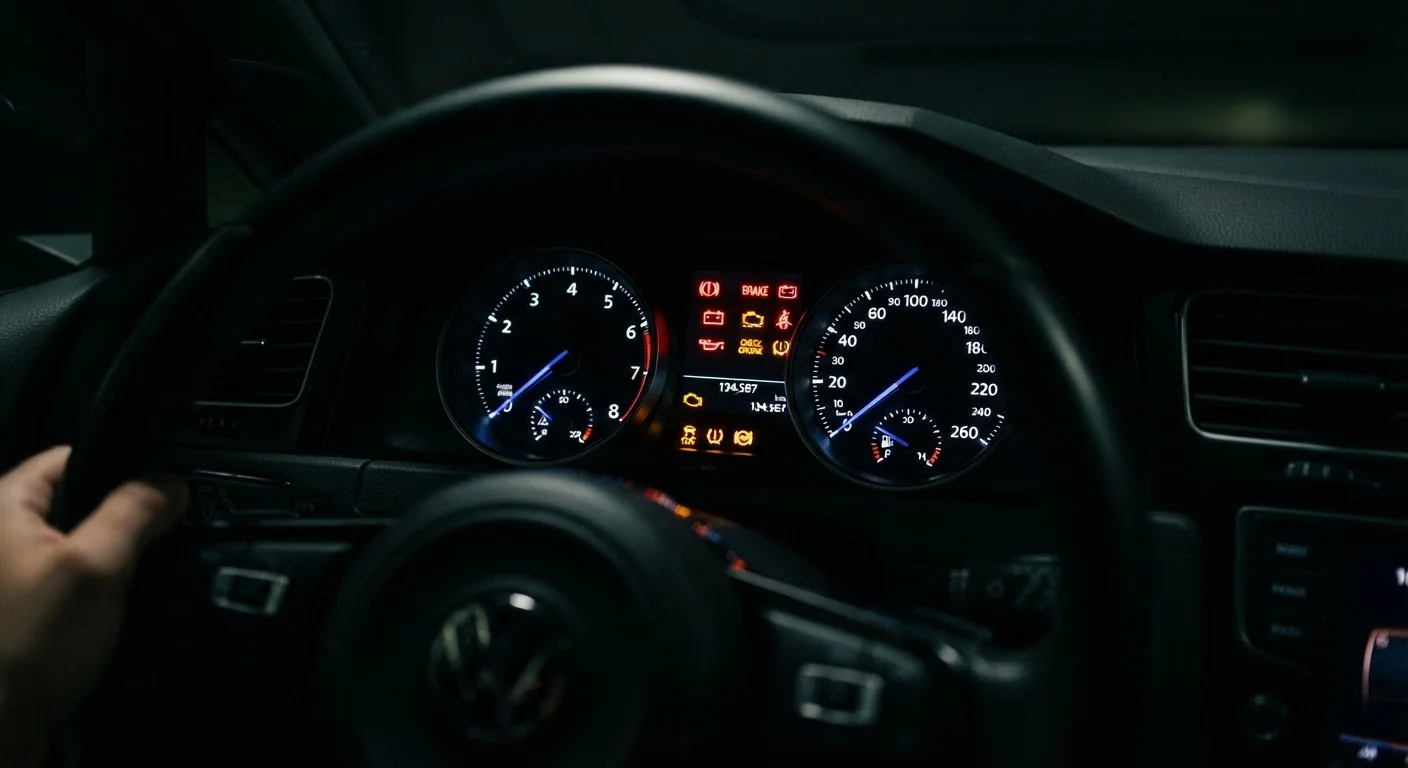
Photo: DockedReads.com | Information Made Easy editorial
How Dashboard Warning Systems Work
Modern vehicles use an OBD system to continuously monitor dozens of sensors throughout the car. When a sensor reading falls outside a normal range, the vehicle's computer logs a diagnostic trouble code and triggers the corresponding dashboard light. Understanding this basic mechanism helps drivers appreciate that a warning light isn't a random glitch — it's a specific signal tied to a measurable condition.
Warning lights generally fall into three urgency categories based on color:
- Red: Stop driving as soon as it is safe to do so. Immediate attention is required.
- Amber/Yellow: A problem exists and should be investigated soon, but you can typically drive short distances to a repair facility.
- Green or Blue: Informational — a system is active, not malfunctioning.
A key habit worth building is distinguishing between lights that appear only at startup (normal self-test behavior) and those that stay on or illuminate while driving. Lights that remain on while the engine is running are the ones that warrant attention. Pair this awareness with a pre-trip vehicle safety check to catch developing issues before they escalate.
| Total OBD-II fault codes | Thousands of standardized codes across all makes and models (Society of Automotive Engineers (SAE) OBD-II standards) |
| TPMS required in new US vehicles since | 2008 (model year) (TREAD Act, US federal mandate) |
| Safe tire pressure reference location | Driver's door jamb sticker — not the tire sidewall |
| Check engine light: flashing vs. solid | Flashing = urgent active misfire; solid = stable fault, schedule soon |
| OBD-II scanner availability | Required by mechanics; basic consumer versions widely available for reference use |
The Warning Lights You're Most Likely to See
Not every light carries equal urgency. Here is a reference breakdown of the most common dashboard warnings and what each actually signals:
Check Engine Light (Amber)
This is arguably the most misunderstood light on any dashboard. It can indicate anything from a loose gas cap to a misfiring cylinder. A solid amber light means the issue is stable — schedule a diagnostic scan soon. A flashing check engine light indicates active misfiring that can damage the catalytic converter; reduce speed and seek service promptly. A mechanic will connect an OBD-II scanner to retrieve the specific fault code.
Oil Pressure Warning (Red)
If this light illuminates while driving, pull over safely and shut off the engine immediately. Low oil pressure can cause catastrophic engine damage within minutes. Check the oil level with the dipstick once the engine has cooled. If the level is adequate and the light persists, do not restart without professional diagnosis.
Battery / Charging System (Red or Amber)
This light signals that the battery is not being charged correctly — typically pointing to a failing alternator, a worn drive belt, or a battery at end of life. The vehicle may continue running briefly on battery reserve, but electrical systems will begin failing. Head to a service facility without unnecessary delay.
Coolant Temperature (Red)
An overheating engine can warp cylinder heads and cause serious internal damage quickly. Turn off the air conditioning, and if the gauge continues rising, pull over safely and let the engine cool completely before checking coolant levels. Never open the radiator cap on a hot engine.
Brake System Warning (Red)
If the parking brake is fully released and this light remains on, it may indicate low brake fluid or a hydraulic fault in the braking system. Braking performance may be compromised — treat this as an immediate stop situation. For context on related wear patterns, see our article on brake pads and rotors.
Tire Pressure Monitoring System — TPMS (Amber)
The TPMS light indicates one or more tires are significantly under-inflated. Under-inflation increases stopping distance and the risk of a blowout. Check all four tires with a gauge and inflate to the pressure listed on the driver's door jamb — not the number stamped on the tire sidewall.
Traction Control / Stability Control (Amber)
A flashing light here means the system is actively working to prevent wheel slip — normal in slippery conditions. A light that stays on solid may indicate the system has been disabled or has a fault. Staying alert while this light is active supports the broader principles of defensive driving.
OBD-II
On-Board Diagnostics, second generation — a standardized system in all US vehicles sold after 1996 that monitors engine and emissions components and stores fault codes when problems are detected.
Diagnostic Trouble Code (DTC)
A standardized alphanumeric code stored by the vehicle's computer when a sensor reading is out of range. A mechanic retrieves these codes with a scanner to identify the source of a warning light.
Catalytic Converter
An emissions control device in the exhaust system that converts harmful combustion byproducts into less toxic gases. Engine misfires can overheat and damage it quickly.
TPMS
Tire Pressure Monitoring System — sensors inside each wheel that alert the driver when tire pressure drops significantly below the recommended level.
Alternator
A generator driven by the engine that recharges the battery and powers electrical systems while the vehicle is running. A failing alternator triggers the battery warning light.
When to Drive, When to Stop, and What to Do Next
The practical question most drivers face is: can I make it to the shop, or do I need to stop right now? The answer depends on which light is on and what you observe.
Your Owner's Manual Is the Authoritative Source
Always stop immediately if you see a red oil pressure, red coolant temperature, or red brake system light — especially if accompanied by unusual sounds, burning smells, or a noticeable change in vehicle handling. These conditions can become dangerous very quickly.
Drive carefully to service for amber lights like check engine (solid), TPMS, or a battery warning — ideally the same day or within a day or two. Avoid long highway drives until the cause is confirmed.
Keeping a record of when lights appear and under what conditions (cold start, highway speed, after rain) gives a mechanic valuable diagnostic context and can reduce the time — and cost — of diagnosis. If your vehicle is used or recently purchased, reviewing its service history is worthwhile; our guide to reading a vehicle history report explains what past records can reveal about recurring issues.
Ignoring dashboard warnings rarely makes a problem disappear. Most conditions that trigger a warning light worsen with continued driving, turning a minor repair into a major one. Treating your dashboard as a communication tool — rather than a source of anxiety — puts you in a better position to act quickly and confidently.
The content on this site is for informational purposes only and is not a substitute for professional advice. Always consult a qualified professional for guidance specific to your situation.