
Reading a Mechanic's Estimate Without Getting Lost

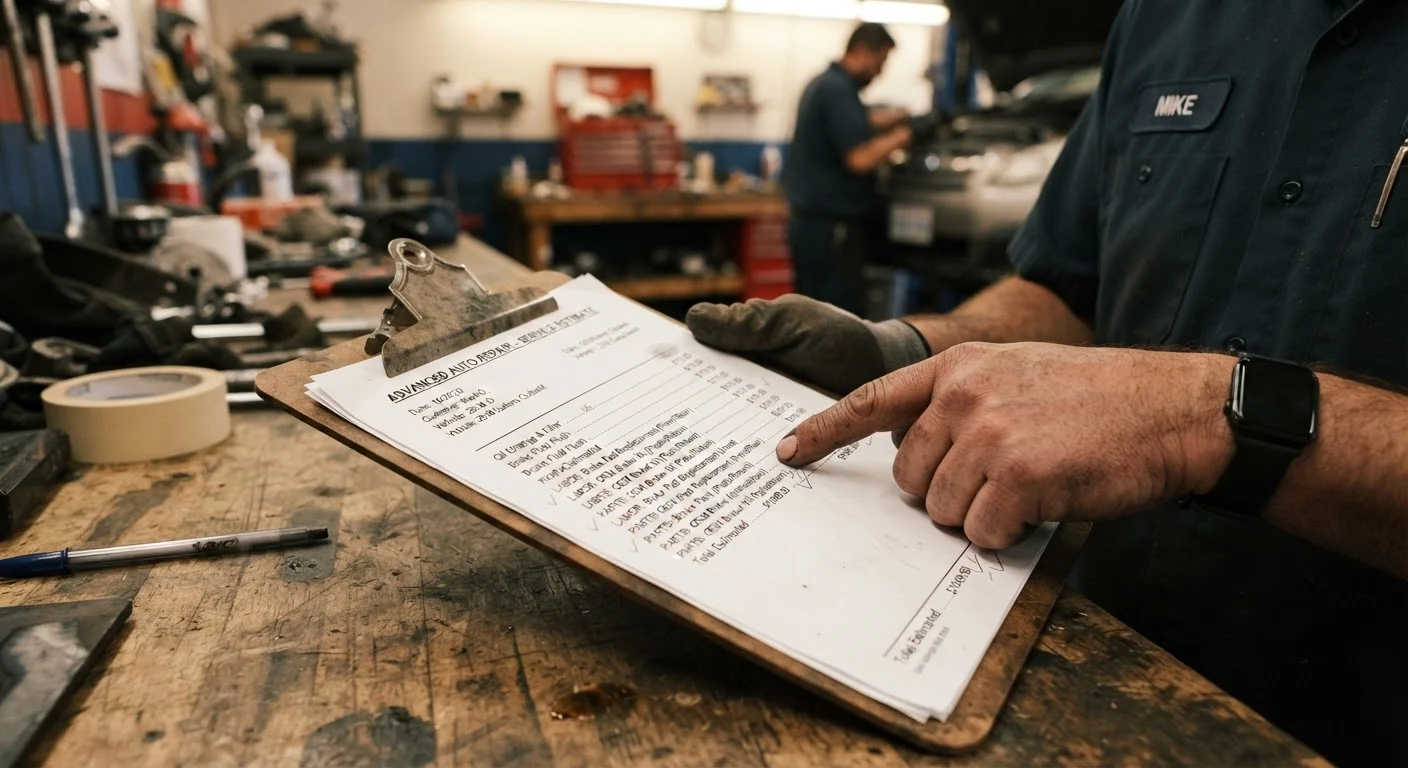
Photo: DockedReads.com | Information Made Easy editorial
Key Takeaways
- A written estimate must separate parts costs, labour charges, and any shop fees clearly.
- Labour rates are typically based on standardised time guides, not the actual minutes a technician spends.
- You have the right to request your old parts back and to decline any unapproved additional repairs.
- Asking targeted questions before signing protects you from unexpected charges later.
- Comparing estimates from two shops on the same job description can reveal pricing outliers.
Why Estimates Deserve Careful Attention
A mechanic's repair estimate is more than a price tag — it's a proposed contract. The language, structure, and individual line items on that document determine what work gets done, what parts are used, and what you are legally agreeing to pay. Many drivers sign quickly out of habit or discomfort, only to feel blindsided when the final invoice differs from their expectation.
Understanding the standard anatomy of an estimate takes less time than most people assume. You don't need mechanical expertise — just a methodical eye and the right questions. This is especially relevant if you're already thinking critically about your vehicle's documented history; the same careful reading you'd apply to a vehicle history report transfers directly to repair paperwork.
Authorising Work Means You Agree to Pay
Repair shops in most U.S. states are regulated under automotive repair acts that set minimum disclosure standards — including written estimate requirements and limits on cost overruns without re-authorisation. Check your state's consumer protection agency for the specific rules that apply where you live.
Verbal Estimates Offer Little Protection
What to Do Before and After You Follow the Steps
Before walking through any estimate, gather what you need:
What you will need
Once you've worked through the steps below and authorised the repair, your job isn't finished. When you pick up the vehicle:
- Compare the final invoice to the original estimate line by line. Any new charges should correspond to a separate authorisation you gave during the repair.
- Request your old parts if you asked for them at drop-off.
- Confirm the warranty terms are printed on the invoice, not just stated verbally.
Keep a Copy of Every Estimate
If you want a broader framework for deciding which maintenance tasks to handle yourself versus handing off, our breakdown of common car maintenance myths can help you separate routine upkeep from jobs that genuinely require a shop.
Step-by-Step: Reading the Estimate
Work through these steps in order the next time an estimate is placed in front of you. Having the right context on professional versus DIY work can also sharpen your judgement on whether a proposed repair is one you might reasonably question or handle differently.
Written repair estimate
The official document listing all proposed parts, labour, and fees — your primary reference for evaluating the quoted work.
Online labour-time guide (e.g., Mitchell, AllData)
Lets you cross-check the number of labour hours a shop is billing against published industry standards for the same repair.
Parts pricing reference (retailer sites)
Provides a ballpark on retail parts cost so you can gauge whether the shop's parts markup is within a reasonable range.
Identify the three core sections of any estimate
Every legitimate repair estimate is built around three distinct cost categories:
- Parts: The physical components being replaced or supplied. Each should be listed individually with a unit price.
- Labour: The shop's charge for the technician's time, calculated as hours multiplied by the shop's hourly rate.
- Shop fees / miscellaneous: Charges such as hazardous waste disposal, shop supplies, or environmental fees. These should be itemised, not bundled into a vague single line.
If any of these categories appear combined or unlabelled, ask the service writer to break them out before proceeding.
Decode the labour charge
Labour is usually the largest line item and the most misunderstood. Shops set a labour rate — a dollar figure per hour — which varies by region and shop type. The hours billed are almost never clocked in real time; instead, they come from a standardised flat-rate guide (such as those published by Mitchell or AllData) that assigns a fixed time value to each repair procedure.
This means a skilled technician who finishes a two-hour rated job in 90 minutes still bills two hours. Conversely, a job that runs longer than the flat rate does not usually result in a higher charge to you — the risk lands on the shop. Understanding this system removes the sting of seeing a labour charge that seems high relative to the actual drop-off time.
Evaluate the parts listings
Each part on the estimate should show a part number, a description, and a price. Shops typically mark up parts above their own cost — this is a standard and expected practice. What to look for:
- OEM vs. aftermarket: Original Equipment Manufacturer (OEM) parts come from your vehicle's manufacturer or an authorised supplier. Aftermarket parts are made by third parties. Both can be appropriate depending on the repair; ask which type is quoted and why.
- Remanufactured parts: Rebuilt components (e.g., alternators, starters) that carry their own warranty. These are typically less expensive than new and are widely used for cost-effective repairs.
You can cross-reference quoted part prices against major retailer sites to develop a rough sense of the markup. A reasonable markup is common and accepted; a charge several times the retail price warrants a polite conversation. See our guide on DIY versus professional repair for context on when parts sourcing decisions really matter.
Ask the five questions that protect your interests
Before signing, work through this checklist with the service writer:
- What is the shop's hourly labour rate? Confirm it matches what appears on the estimate.
- Are these OEM, aftermarket, or remanufactured parts? Understand what you're getting and what warranty applies.
- What warranty covers this repair? Parts and labour warranties vary; get the terms in writing.
- Will you contact me before performing any work not listed here? Establish that verbal authorisation will be required for any scope changes.
- Can I have my old parts returned? Most shops will comply unless the parts were sent back under a core charge agreement.
Compare estimates when the repair is significant
For any repair exceeding a few hundred dollars, obtaining a second estimate is a sound practice — not an insult to the shop. To compare meaningfully:
- Use the same written description of symptoms and any diagnostic findings at both shops.
- Ensure both estimates specify the same type of part (OEM vs. aftermarket) for a fair comparison.
- Look beyond the total — a lower price with vague line items may cost more in the long run than a higher, fully itemised quote.
Keeping an eye on your overall vehicle budget connects to broader financial habits. Sound budgeting fundamentals can help you decide when a repair makes economic sense versus when the cost tips toward replacement.
The content on this site is for informational purposes only and is not a substitute for professional advice. Always consult a qualified professional for guidance specific to your situation.