
Common Car Ownership Myths That Can Cost You Money

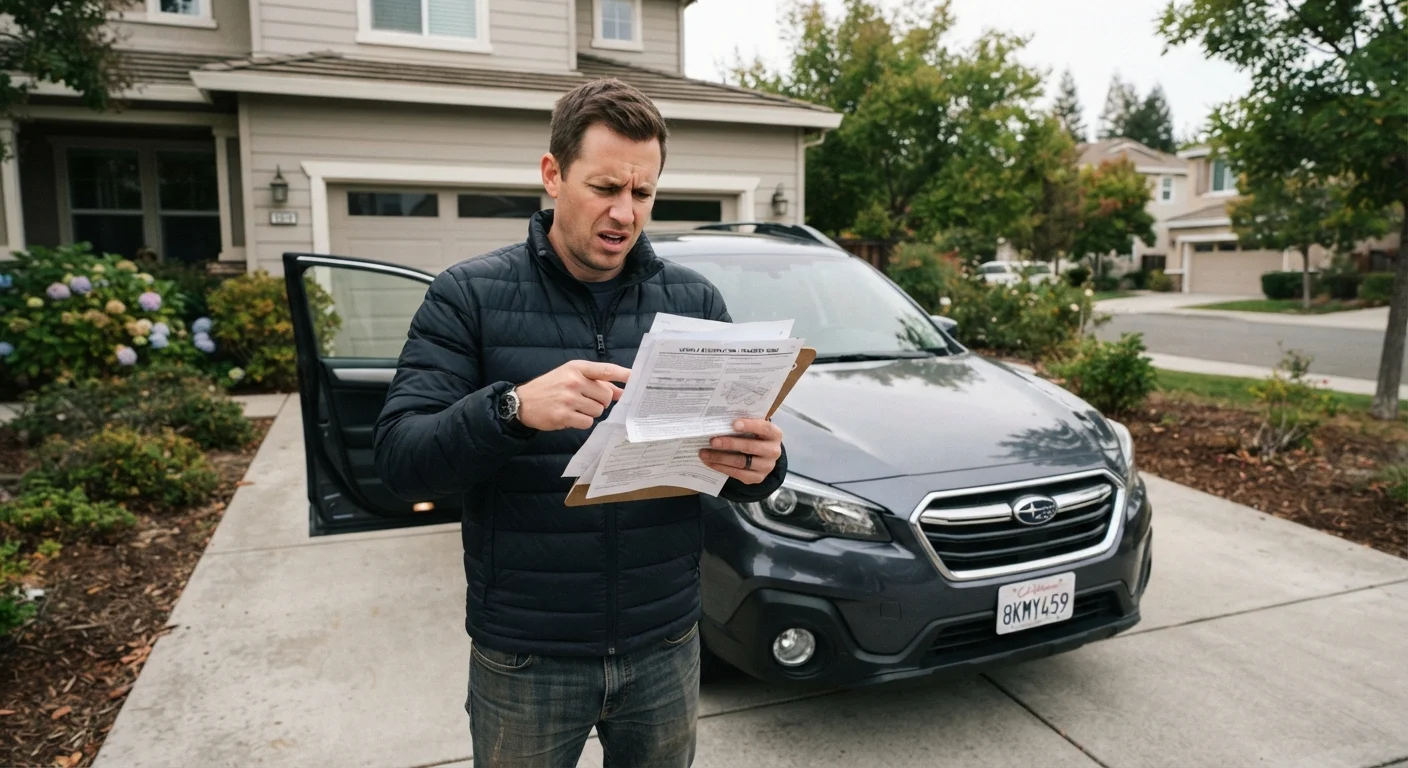
Photo: DockedReads.com | Information Made Easy editorial
Key Takeaways
- Car color has no effect on your auto insurance premium — insurers don't track paint color.
- You are not required to use a dealership for routine maintenance without voiding your warranty.
- Minimum state-required liability insurance is rarely sufficient to protect your finances.
- Newer cars don't automatically mean lower insurance rates — vehicle type and driver profile matter more.
- Carrying a small credit card balance does not improve your credit score — pay it off each month.
Why Car Ownership Myths Persist — and Cost Real Money
Automotive folklore spreads quickly. A neighbor swears by a rule of thumb, a family member passes down a "fact" from decades past, and suddenly a misconception becomes conventional wisdom. The trouble is that several of the most widely repeated car ownership beliefs are either outright false or far more nuanced than they're presented — and acting on them can quietly drain your budget over months and years.
This article focuses specifically on the administrative and financial side of owning a vehicle: insurance, warranties, financing, and the real costs of ownership. For myths around mechanical maintenance, our related piece on car maintenance myths that waste money and time covers that territory in depth.
Myth
Red cars cost more to insure because insurers charge higher premiums for bright colors.
Fact
Vehicle color plays no role in how auto insurers calculate your premium. Insurers do not collect paint color data when setting rates.
This is one of the most persistent myths in auto ownership. Insurance companies base premiums on factors such as the vehicle's make, model, trim level, age, safety ratings, your driving record, credit history (in most states), location, and annual mileage. Paint color simply isn't part of the equation. If you've been avoiding a color you love out of insurance concern, that's a decision based on fiction. For a fuller picture of what actually drives your premium, see our article on why car insurance premiums change.
Myth
You must get your car serviced at the dealership to keep your factory warranty valid.
Fact
In most cases, routine maintenance performed at a qualified independent shop will not void your factory warranty, provided the correct fluids and parts specifications are followed.
The Magnuson-Moss Warranty Act provides meaningful consumer protections here. A manufacturer must generally demonstrate that an independent shop's work directly caused a failure before denying a warranty claim on that basis — not simply that you didn't use their service department. The practical requirement is thorough documentation. Keep every receipt and service record, noting the date, mileage, work performed, and parts used. Good record-keeping is explored further in our piece on keeping a service record.
Myth
A newer car always means cheaper insurance.
Fact
Newer vehicles often cost more to insure, not less, due to higher repair costs, replacement part prices, and the expense of advanced driver-assistance technology.
A late-model vehicle may carry a higher comprehensive and collision premium because replacing sensors, cameras, and specialized components after even a minor collision can be expensive. Insurers factor in repair cost data, theft rates for specific models, and the vehicle's overall risk profile. A well-maintained older car with a clean safety record and lower market value can carry significantly lower premiums. Understanding coverage types is important here — our comprehensive vs. collision coverage breakdown is a useful reference.
Myth
The state minimum liability coverage is all the insurance you legally need, so it's all you really need.
Fact
State minimums define the legal floor, not a financially prudent level of protection. A serious accident can easily generate costs that exceed those limits by a large margin.
Meeting the minimum requirement keeps you legal, but it may leave you personally liable for damages above your policy limit. Medical expenses, lost wages, and property damage from a serious collision can run well into six figures. Many financial advisors generally suggest drivers consider coverage limits that reflect their actual assets and risk exposure — though the right choice is personal and depends on your situation. If you're evaluating your options, our guide to understanding auto insurance policy sections provides essential context.
Myth
Buying a car outright is always smarter than financing.
Fact
Whether paying cash or financing a vehicle is the better financial move depends on interest rates, opportunity cost, and individual circumstances — there is no universal answer.
Paying cash eliminates interest charges and monthly obligations. But if financing is available at a low rate and your cash could earn a higher return elsewhere, financing can be the more efficient choice for some buyers. Conversely, high-rate loans make cash purchases comparatively attractive. The structure of dealer financing vs. direct lender loans also matters — see our overview of financing through a dealer vs. a bank or credit union. This is general educational information; individual financial decisions should be weighed against your own circumstances, ideally with professional guidance.
Myth
A car's sticker price is the real cost of ownership.
Fact
The purchase price is only the starting point. Depreciation, fuel, insurance, registration fees, and maintenance routinely add thousands of dollars annually.
Depreciation alone can account for a substantial portion of annual ownership costs — particularly in the first few years of a new vehicle's life. Add insurance premiums, state registration fees, routine maintenance, fuel, and unexpected repairs, and the total annual cost can look very different from what the sticker implied. Our detailed article on the true cost of owning a car beyond the sticker price walks through how to estimate these figures before committing to a purchase. Understanding how vehicle depreciation works is particularly worthwhile for first-time buyers.
What These Myths Mean for Your Wallet
Taken together, these misconceptions share a common thread: they lead drivers to spend more than necessary, accept less protection than they need, or make decisions based on incomplete information. Believing the dealership is the only valid service provider, for instance, may mean paying a premium for routine oil changes and tire rotations when a qualified independent shop could handle the same work at lower cost — and without touching your warranty rights.
Warranty Rights Dealers Don't Advertise
Similarly, assuming minimum insurance coverage is adequate — or that a newer car automatically means lower premiums — can leave you either underprotected or overpaying. The factors that genuinely influence your insurance rate are worth understanding clearly; they're explored in detail in our guide to everything first-time car owners need to know about insurance and costs.
Minimum Coverage Rarely Means Adequate Coverage
Staying informed about the administrative realities of ownership — from annual ownership tasks to understanding what your policy actually covers — is one of the most practical steps any driver can take. The myths above are common, but none of them are inevitable. With accurate information, every car owner is in a stronger position to make decisions that genuinely reflect their needs and budget.
~$10,000+
Average annual cost of car ownership in the US
AAA's annual "Your Driving Costs" study consistently estimates total vehicle ownership costs — including depreciation, fuel, insurance, and maintenance — exceed $10,000 per year for many drivers.
50+ factors
Variables insurers use to calculate your premium
Auto insurers in most states use dozens of rating factors, including driving history, vehicle type, credit score, and zip code — paint color is not among them.
The content on this site is for informational purposes only and is not a substitute for professional advice. Always consult a qualified professional for guidance specific to your situation.