
Jet Lag vs. Travel Fatigue: Two Different Problems, Two Different Fixes

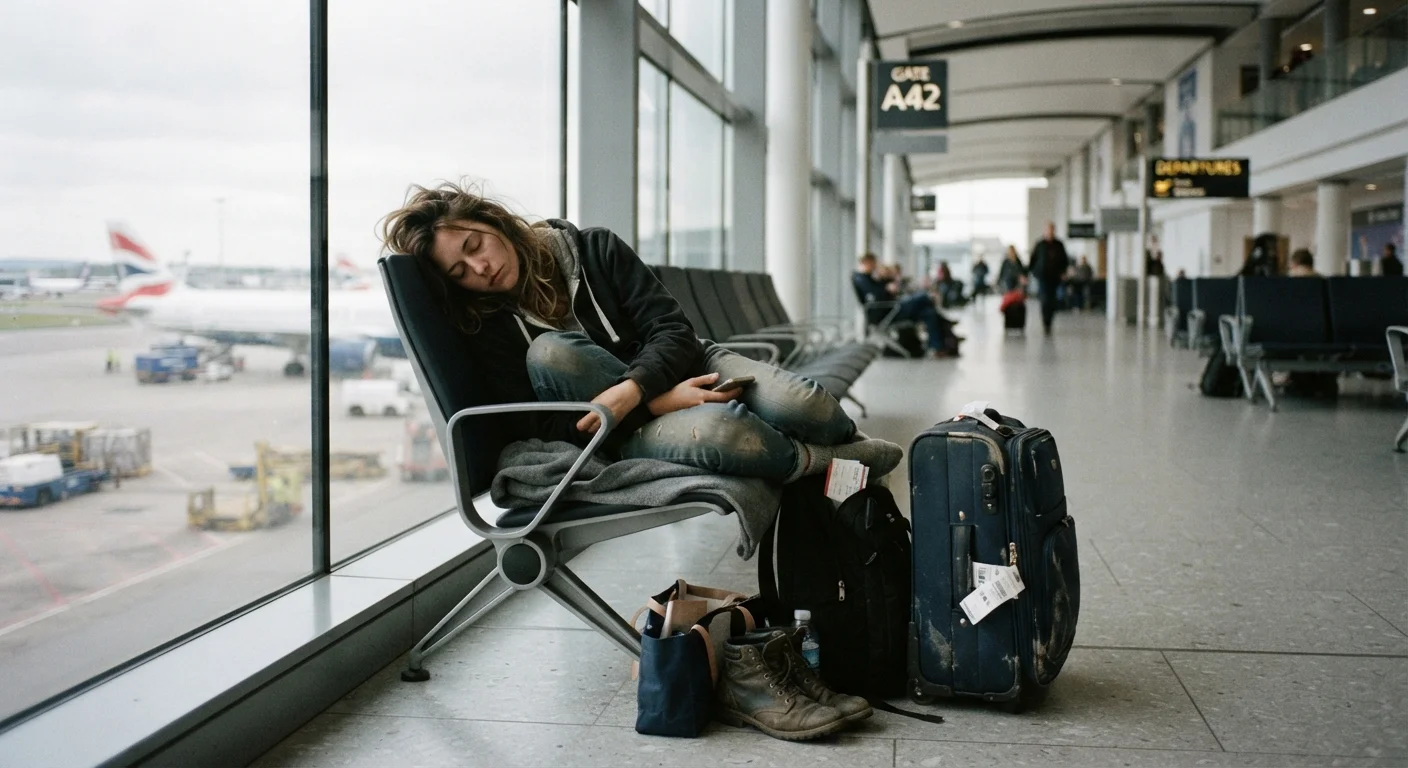
Photo: DockedReads.com | Information Made Easy editorial
Key Takeaways
- Jet lag is a circadian rhythm disorder triggered specifically by crossing multiple time zones.
- Travel fatigue results from physical stress, sleep deprivation, and sensory overload — regardless of time zones.
- Light exposure and sleep scheduling are the most evidence-backed tools for resetting jet lag.
- Rest, hydration, and reducing stimulation are the primary recovery strategies for travel fatigue.
- Both conditions can overlap, making it important to identify which one — or both — you're experiencing.
- Always consult a healthcare professional before using sleep aids or supplements for either condition.
Two Kinds of Tired That Feel the Same
You've just landed after a 14-hour flight, collected your bags, and shuffled into the arrivals hall feeling like you've been wrung out. Everything aches slightly. Your eyes are dry. You want sleep desperately — but when you finally lie down, it won't come. Or maybe it does come, at 3 p.m., when you're supposed to be exploring the city.
Most travelers lump this misery under one word: exhaustion. But the causes behind that exhaustion are often quite different, and understanding the distinction changes how you recover. Jet lag and travel fatigue are two separate physiological experiences that frequently arrive together, making each harder to identify and treat on its own. Long-haul flights disrupt the body in multiple overlapping ways, which is part of why it's so easy to conflate the two.
What Each Condition Actually Is
Jet lag is a circadian rhythm disorder. Your body's internal clock — which regulates sleep, hunger, hormone release, and body temperature — is calibrated to your home time zone. When you cross multiple time zones rapidly, that clock falls out of sync with the external world at your destination. The result is a cluster of symptoms: insomnia at night, drowsiness during the day, digestive disruption, difficulty concentrating, and mood shifts. Eastward travel tends to cause more pronounced jet lag than westward travel, because advancing your clock is harder for most people than delaying it.
Travel fatigue has nothing to do with time zones. It's the cumulative toll of everything else: disrupted sleep from overnight flights, the physical stress of sitting in a cramped cabin for hours, dehydration from low-humidity cabin air, sensory overload in airports, and the mental labor of navigating unfamiliar places, languages, or logistics. You can develop severe travel fatigue on a cross-country domestic flight or a long train journey without shifting a single time zone.
| Criterion | Jet Lag | Travel Fatigue |
|---|---|---|
| Root cause | Circadian rhythm misalignment from time zone shifts | Physical and mental depletion from travel demands |
| Requires time zone crossing | Yes — typically 3+ zones | No — any long journey can cause it |
| Primary symptom | Sleep timing disorder (can't sleep or wake at wrong times) | Deep, persistent tiredness and low energy |
| Other symptoms | Digestive disruption, mood changes, poor concentration | Muscle aches, headache, irritability, sensory overload |
| Key recovery strategy | Light exposure, schedule shifting | Rest, hydration, reduced stimulation |
| Typical resolution time | Several days to over a week depending on zones crossed | Often 1–3 days with adequate rest |
The overlap is where things get complicated. An American flying to Tokyo for the first time is almost certainly dealing with both simultaneously — jet lag from a nine-hour time difference and travel fatigue from a lengthy journey. Separating them requires asking a simple question: Is my sleep timing off, or am I just exhausted? If you can sleep but simply can't stop sleeping, that may be fatigue. If you're desperate to sleep but can't when the local clock says you should, that's a stronger signal of jet lag.
Recovery: Where the Approaches Diverge
Because the mechanisms differ, so do the fixes — and conflating them can slow recovery rather than speed it.
For jet lag, the goal is resetting your circadian clock to align with the destination. The most well-supported tool is light exposure: getting bright natural light during daytime hours at your destination helps signal to your body that it's time to be awake. Conversely, avoiding bright light in the evening helps your body recognize that sleep time is approaching. Gradually shifting your sleep schedule toward destination time before departure — even by an hour or two — can reduce the adjustment period. Some travelers and physicians discuss low-dose melatonin as a timing aid, but its use, timing, and dosage vary significantly by individual; always speak with a healthcare professional before trying any supplement.
For travel fatigue, the approach is more straightforward: rest, hydration, and reduced stimulation. Drinking water consistently throughout travel, moving around the cabin during long flights, and protecting whatever sleep opportunity exists — even imperfect sleep — all help. Once you arrive, low-key recovery days rather than packed itineraries make a real difference. The evidence on sleep aids for travelers is more nuanced than marketing suggests, so it's worth reading critically before relying on any single product or technique.
It's also worth noting that the mental weight of intense travel can compound both conditions. Mental recovery after intense travel often lags behind physical recovery, and building in genuine downtime — not just sleep — matters more than many travelers expect.
When Symptoms Might Signal Something Else
Planning Ahead: What Actually Helps
The best recovery from either condition begins before you board. Arriving at your destination well-rested rather than already sleep-deprived gives your body a meaningful head start. On longer hauls, choosing a flight that arrives in the evening local time — so you can go to sleep relatively soon after landing — is a widely cited strategy for easing jet lag. Staying awake through to local bedtime, however uncomfortable, helps anchor your new schedule faster than napping immediately on arrival.
For road travel or domestic trips where jet lag isn't a factor, planning rest stops, limiting consecutive driving hours, and recognizing the signs of driver fatigue are safety priorities, not just comfort ones. Travel fatigue impairs alertness in ways that are easy to underestimate when you're eager to reach your destination.
Thoughtful trip planning — including realistic buffers between arrival and demanding activities — goes a long way toward preventing both conditions from derailing a trip you've worked hard to take.
This article is for general informational and educational purposes only and is not a substitute for professional medical advice. Consult a qualified healthcare provider before making any decisions about sleep aids, supplements, or managing health conditions related to travel.
The content on this site is for informational purposes only and is not a substitute for professional advice. Always consult a qualified professional for guidance specific to your situation.