
Why Travellers Leave Southeast Asia Feeling Like They Missed Something

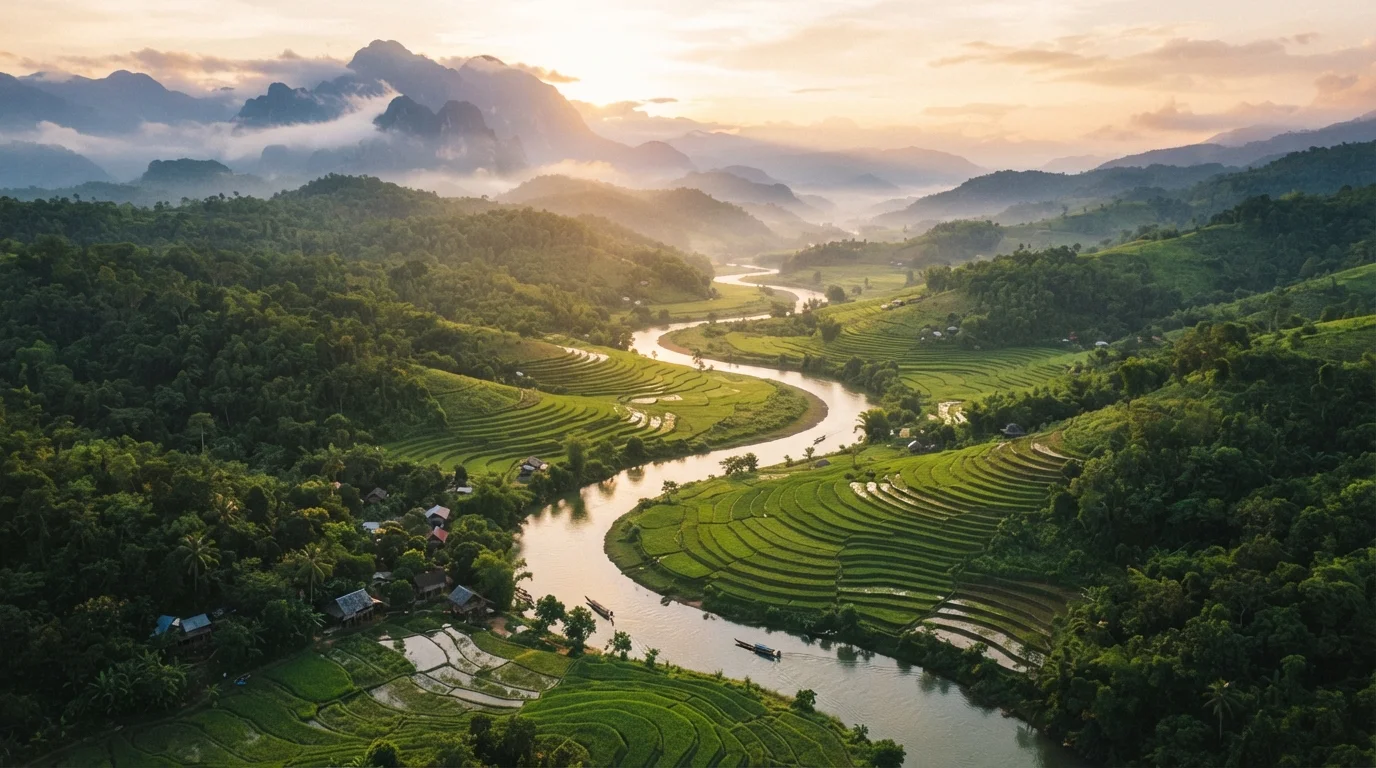
Photo: DockedReads.com | Information Made Easy editorial
Key Takeaways
- Treating Southeast Asia as a single, interchangeable destination leads to shallow, rushed experiences.
- Most itinerary regrets stem from poor research, not bad luck — and are largely preventable.
- Slower travel with fewer countries often yields a richer, more memorable trip.
- Entry rules, health requirements, and seasonal conditions vary significantly between countries in the region.
A Region Bigger Than It Looks on a Two-Week Itinerary
Ask someone who just returned from Southeast Asia what they thought, and you'll often hear the same bittersweet refrain: "I loved it, but I feel like I barely scratched the surface." That feeling is almost never about the destinations themselves. It's about the planning assumptions that shaped the trip before it began.
The region spans eleven countries, hundreds of distinct ethnic groups, and an enormous range of landscapes — from the karst highlands of northern Vietnam to the low-tide sandbars of the Philippine archipelago. Yet many American travelers approach their first trip as if covering more ground automatically means experiencing more. It rarely does. Understanding where the most common planning errors occur is the first step toward building a trip that actually delivers. See our step-by-step guide to trip anatomy for a fuller framework before committing to an itinerary.
The Mistakes That Create the Gap
These aren't rare blunders — they're patterns that show up consistently across traveler accounts and travel forums alike. Recognizing them before you book is far easier than trying to course-correct mid-trip.
Treating the entire region as a single, uniform destination and building one itinerary to "do" Southeast Asia.
Underestimating travel time between destinations and overscheduling the itinerary.
Visiting during the wrong season for the specific region, then blaming the destination for bad weather.
Skipping the context-building research that makes cultural and historical sites legible and meaningful.
Assuming visa and entry requirements are identical or straightforward across countries in the region.
Entry Rules Change — Don't Rely on Old Information
Slower, Deeper: What the Research Actually Supports
There's a reason seasoned Southeast Asia travelers almost universally advise picking fewer countries. The logistics of crossing borders — varying visa requirements, transport connections, and adjustment periods — eat into time that could otherwise be spent understanding a single place more fully. Countries like Laos, which rarely make first-draft itineraries, offer experiences that simply can't be replicated elsewhere in the region. Learn what sets Laos apart before dismissing it as a detour.
Health and practical logistics also deserve more pre-trip attention than most travelers give them. Vaccination requirements, food safety conditions, and healthcare access differ meaningfully across the region. This matters especially for solo travelers — our overview of solo travel health considerations covers several angles that group itineraries often paper over. For a broader look at why trip plans unravel and how to build more resilient ones, see common trip-planning failures and how to avoid them.
11
Countries spanning the Southeast Asian region
The Association of Southeast Asian Nations (ASEAN) comprises eleven member states, each with distinct entry rules, languages, currencies, and travel conditions.
~3,000 mi
Approximate north-to-south span of the region
From Myanmar's northern highlands to Indonesia's southernmost islands, the geographic scale of Southeast Asia rivals that of the contiguous United States.
Ultimately, the travelers who leave Southeast Asia feeling satisfied tend to share one habit: they defined what kind of experience they were after before they started plotting routes on a map. The region will reward that clarity generously.
This article is for general informational purposes only. Entry requirements, visa rules, vaccination recommendations, and travel conditions change frequently. Always verify current information with official government sources and consult a qualified travel health professional before departing.
The content on this site is for informational purposes only and is not a substitute for professional advice. Always consult a qualified professional for guidance specific to your situation.