
Kyoto Beyond the Postcard: What the City Actually Feels Like to Visit

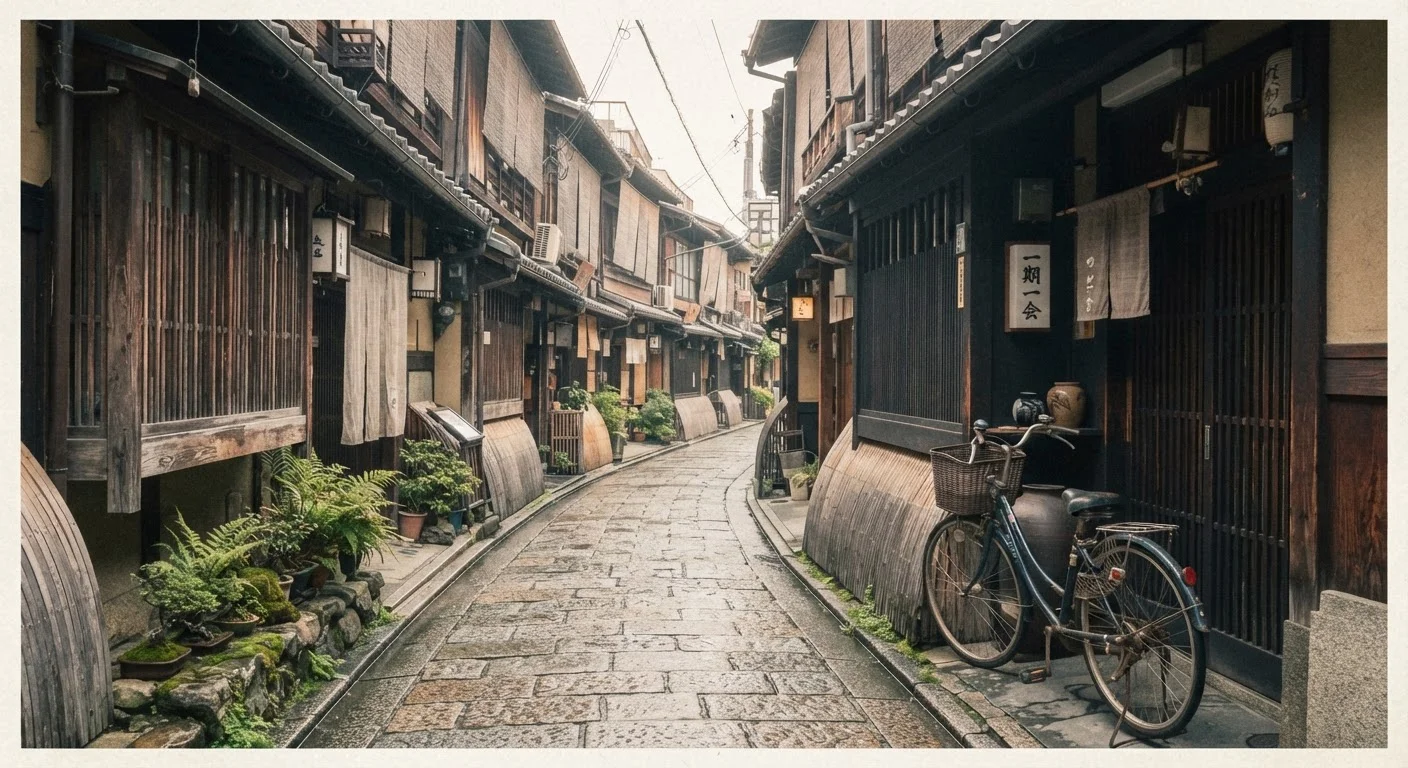
Photo: DockedReads.com | Information Made Easy editorial
Key Takeaways
- Kyoto's iconic sites are genuinely crowded during peak seasons; timing and early starts matter enormously.
- The city's character lives as much in its residential neighborhoods as in its famous temples.
- Navigating Kyoto rewards slow, curious movement rather than a checklist approach.
- Seasonal variation — spring cherry blossoms, autumn foliage — significantly shapes both crowds and atmosphere.
- Kyoto combines contemplative cultural depth with modern urban infrastructure; it is accessible but layered.
What You're Actually Arriving Into
Before the first temple gate comes into view, Kyoto greets visitors with something more mundane: a modern train station of cavernous steel and glass, surrounded by department stores and taxi queues. This contrast — ancient and contemporary layered without apology — defines the city's honest texture. Kyoto is not a museum preserved under glass. Around 1.4 million people live here, cycling to work past thousand-year-old shrines, eating lunch at convenience stores wedged between lacquerware shops.
The emotional experience most visitors describe is one of gradual revelation. The city yields its best character slowly, to those willing to wander off the bus route. Learning to read a new city on its own terms — using neighborhoods, transit rhythms, and unhurried observation — pays particular dividends in Kyoto, where the famous and the quietly extraordinary sit just streets apart.
Kyoto and Nearby Cities: How They Fit Together
The Temple Reality: Crowds, Meaning, and Finding Space
Fushimi Inari Taisha — the hillside shrine blanketed in thousands of vermilion torii gates — appears on more social media feeds than perhaps any other site in Japan. Arriving at 7 a.m. on a weekday, you can walk the lower gates in near-solitude, hearing only gravel underfoot and distant birdsong. Arriving at 10 a.m. on a Saturday in April, you join a dense, shoulder-to-shoulder procession. Both are true; which one you experience is entirely in your hands.
The same logic applies across the city. Ryoanji's famous rock garden requires genuine patience — waiting for a gap in the crowd before the wall, then sitting quietly on the wooden viewing platform, the garden's spare geometry finally settling into focus. Kinkakuji (the Golden Pavilion) is unambiguously spectacular and unambiguously thronged; the experience is brief, vivid, and worth it for what it is, not for the solitude it doesn't offer.
1,600+
Buddhist temples and Shinto shrines in Kyoto
Kyoto is home to an extraordinary concentration of religious and historic sites, including 17 UNESCO World Heritage properties within the city and surrounding areas.
~50 million
Annual visitor trips to Kyoto Prefecture
According to Kyoto Prefecture tourism data, the city draws tens of millions of domestic and international visitors annually, with demand heavily concentrated around cherry blossom and autumn foliage seasons.
Veteran Kyoto visitors consistently point to Fushimi Inari's upper trails, the Philosopher's Path outside peak season, and the Nishiki Market's side streets as places where the city's atmosphere becomes genuinely intimate. The density of significant sites means you can walk away from the postcard view and into something real within minutes.
The Neighborhoods That Actually Live
Gion is Kyoto's best-known geisha district, and walking Hanamikoji Street at dusk — lanterns lit, the occasional figure in formal kimono moving with practiced deliberateness — delivers exactly what you imagined. But the surrounding streets of Gion Shirakawa, with their canal-side willows and low wooden teahouses, offer the same atmosphere at a fraction of the tourist pressure.
Farther north, the Nishijin district has been the heart of Kyoto's silk-weaving industry for centuries. Its residential streets feel unhurried and genuinely inhabited: tofu shops, small shrines tucked between houses, the distant clatter of a weaving loom. Kurama and Kibune, accessible by a short mountain railway, trade the city grid for forested gorge paths and river-fed restaurants where diners sit on platforms over rushing water in summer.
Build Your Base Around Neighborhoods, Not Landmarks
These neighborhoods reward the approach described in any thoughtful pre-trip Japan planning: research which areas suit your pace, and build your accommodation choice around access to those districts rather than simply proximity to the most photographed landmarks.
What Kyoto Asks of Its Visitors
Kyoto carries historical and cultural weight that benefits from a degree of conscious attention. Many active temples and shrines are places of genuine religious practice, not simply scenic backdrops. Dress modestly when entering certain precincts, observe posted photography restrictions, and recognize that early morning visits to residential areas like Gion are increasingly regulated to protect the privacy of people who live there. This is not a bureaucratic formality — it is the city asking visitors to be present respectfully.
The broader question of engaging thoughtfully with historically layered destinations applies here too, though Kyoto's particular historical complexity — including its role as imperial and cultural capital through Japan's feudal and modern eras — is rarely foregrounded in tourist materials. Seeking out those layers, through local museums and thoughtful reading before you arrive, enriches what the city offers considerably.
Ultimately, Kyoto rewards a certain quality of attention: slower, more patient, less focused on accumulating sites than on inhabiting a few of them fully. The city will meet that effort with something the postcards cannot quite carry — the sensation of genuinely old, genuinely alive place, experienced in real time.
Frequently Asked Questions
The content on this site is for informational purposes only and is not a substitute for professional advice. Always consult a qualified professional for guidance specific to your situation.