
Destination Guides

Planning a Trip to Japan: What to Nail Before You Book Anything

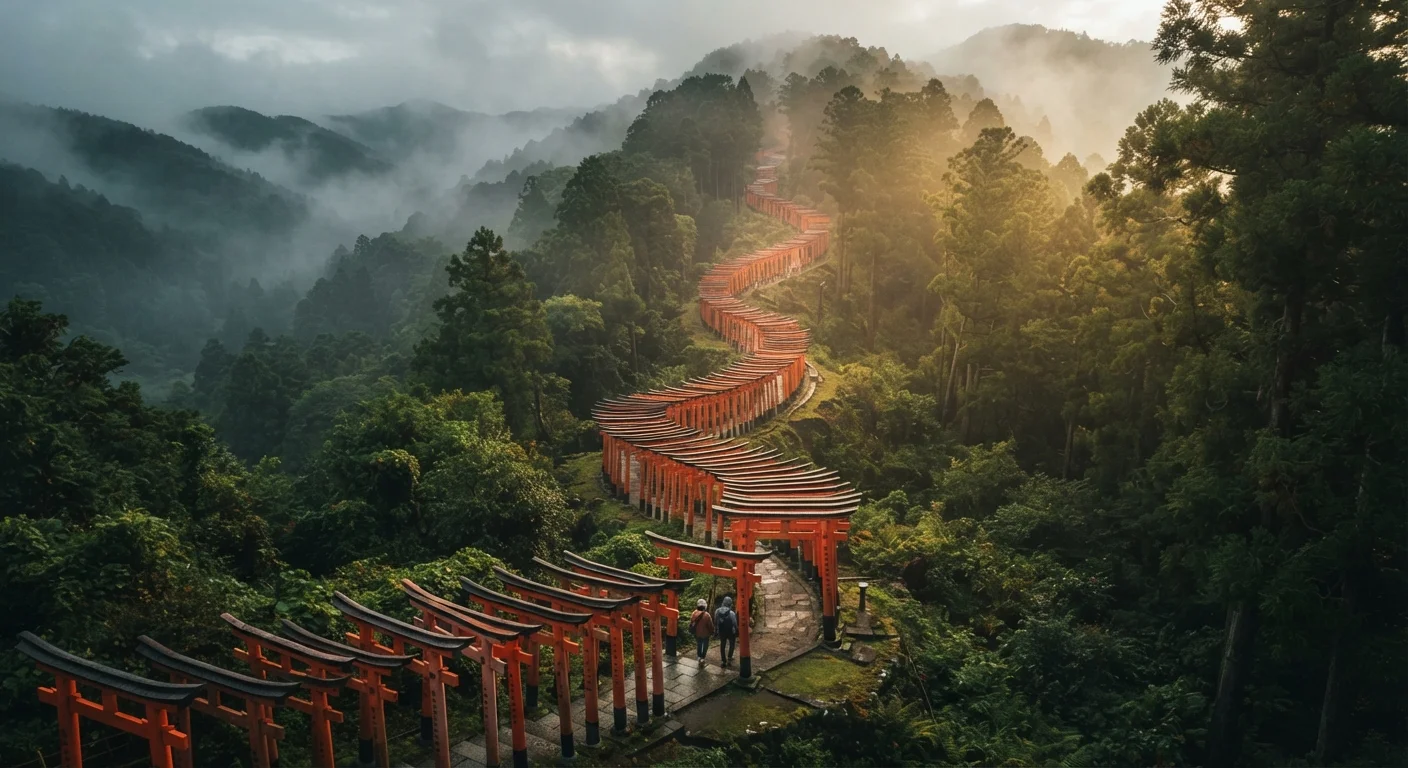
Planning a Trip to Japan: What to Nail Before You Book Anything

Photo: DockedReads.com | Information Made Easy editorial

A pre-departure checklist covering timing, rail passes, accommodation types, regional choices, and practical considerations for Japan travel.

Key Takeaways

  • Japan's seasons dramatically affect crowds, prices, and what you can actually do — timing matters enormously.
  • The Japan Rail Pass is not always the most economical choice; calculate your routes before purchasing.
  • Accommodation type shapes your cultural experience — ryokan, business hotel, and capsule options suit very different travelers.
  • Japan is highly card-friendly in cities but cash remains essential in rural areas and smaller establishments.
  • Entry requirements and health prep should be verified with official sources well before your departure date.

Why Japan Demands More Planning Than Most Destinations

Japan sits in a category of its own when it comes to pre-trip preparation. It's simultaneously one of the world's most accessible countries for international visitors and one where small missteps — booking the wrong rail pass, arriving during Golden Week, or underestimating distances — can quietly derail an otherwise exciting itinerary. Before you open a single booking platform, understanding what the country actually offers on a structural level will save you money, frustration, and missed experiences.

This checklist is designed to walk you through the decisions that matter most before any flights or hotels are confirmed. Think of it as a pre-planning audit rather than a packing guide. For a broader framework on how to sequence your planning, see our guide to the anatomy of a well-planned trip.

Timing and Seasons

Research Japan's four distinct seasons and identify which aligns with your travel goals — cherry blossom season (late March–early April) and fall foliage (mid-October–November) are stunning but draw enormous crowds and higher prices. Must
Check whether your intended travel window overlaps with major Japanese public holidays, particularly Golden Week (late April–early May) and Obon (mid-August), when domestic travel surges and accommodation books out months in advance. Must
Consider shoulder seasons — June (rainy season), September, or late November — for a better balance of manageable crowds and pleasant conditions. Should

Transportation Strategy

Map your core city-to-city routes and calculate the total Shinkansen (bullet train) fare before assuming a Japan Rail Pass will save money — the pass is cost-effective only for certain multi-city itineraries. Must
Decide whether you'll rely on IC cards (like Suica or Pasmo) for local transit — these reloadable smart cards work on most trains, buses, and subway systems nationwide and simplify daily movement considerably. Must
Research airport transfer options from your arrival city; both Narita and Haneda in Tokyo have multiple train and bus options with varying cost and travel time trade-offs. Should
If visiting rural areas or national parks, investigate whether local bus schedules are infrequent and whether a rental car would make more logistical sense. Nice to have

Accommodation Type

Understand the major accommodation categories — business hotels, ryokan (traditional inns with tatami floors and communal baths), capsule hotels, guesthouses, and vacation rentals — and decide which aligns with your comfort level and budget. Must
Book at least your first and last nights well in advance, especially in Tokyo and Kyoto where quality mid-range options fill quickly during peak travel periods. Must
If a ryokan stay is on your list, book it early — the most atmospheric properties in Hakone, Kyoto, or Kinosaki Onsen often require reservations several months out. Should

Money and Practical Logistics

Notify your bank and understand your card's foreign transaction fees; also confirm your card works at Japan Post Bank and 7-Eleven ATMs, which reliably accept international cards. Must
Plan to carry yen cash for rural travel, smaller restaurants, temple admission fees, and vending machine purchases — cashless payment is growing in cities but not universal nationwide. Must
Arrange a pocket Wi-Fi device or international SIM before departure to ensure reliable navigation and translation access throughout the trip. Should
Download an offline translation app and a basic train map app ahead of time as a backup when connectivity is limited. Nice to have

Entry Requirements and Health Prep

Verify current Japan entry requirements for US passport holders through the official Embassy of Japan or U.S. State Department websites — do not rely on third-party travel blogs for this information. Must
Confirm your passport has sufficient validity beyond your return date; some general guidance suggests at least six months, though Japan's requirements should be verified directly with official sources. Must
Consult your healthcare provider about any recommended vaccinations or health precautions for Japan travel well before your departure date. Should

Tools Worth Having Before You Start

A few practical resources will do most of the heavy lifting as you work through this checklist. None of them replace your own judgment, but they make the research phase considerably less overwhelming.

Required

Japan National Tourism Organization (JNTO) Website

Official, up-to-date destination guidance covering regional travel, transportation, and seasonal considerations.

Required

U.S. State Department Travel Advisory Page

Authoritative source for entry requirements, safety conditions, and emergency contact information for US travelers.

Required

Hyperdia or Google Maps (Japan transit mode)

Route and fare calculation tools for planning Shinkansen and local transit itineraries before purchasing any rail pass.

Optional

Offline Translation App (e.g., Google Translate with Japanese downloaded)

Essential for reading menus, signs, and navigation prompts in areas where English signage is limited.

If this is your first international trip, the foundational logistics — passports, visas, currency strategy — are covered in detail in our guide for first-time international travelers. And before departure, cross-reference your health preparation against the traveler's pre-trip health checklist.

Rail Pass Purchases Can't Always Be Refunded

The Japan Rail Pass must typically be purchased outside of Japan and exchanged for a physical pass after arrival. Partial refunds can be difficult once the pass is activated. Do your route math carefully before committing, and verify current purchasing rules directly with JR Group or an authorized seller.

Regional Choices and What They Mean for Your Itinerary

Many first-time visitors to Japan default to a Tokyo-Kyoto-Osaka triangle, and that corridor is genuinely worthwhile. But Japan's regional diversity is one of its most underappreciated qualities. Hokkaido offers a completely different climate, cuisine, and landscape from Okinawa. The Tohoku region holds some of the country's most dramatic mountain scenery and quieter cultural sites, often with a fraction of the crowds. Hiroshima, Kanazawa, and the Nakasendo trail deserve serious consideration depending on what you value most.

Matching your regional choices to your interests — history, food, nature, architecture, rural life — is the single decision that most shapes the trip's character. Build this before you obsess over individual attractions. If you're navigating Japan solo, see what solo travelers should confirm before booking for additional considerations specific to independent travel.

Always Verify Entry Rules With Official Sources

Japan's entry requirements, including any visa, health documentation, or registration requirements, can change. Travel blogs and booking platforms may not reflect the most current rules. Always check the Embassy of Japan's official website and the U.S. State Department's Japan travel page before finalizing any bookings.

Travel & Exploration Editorial Team

DockedReads.com | Information Made Easy

Travel & Exploration Editorial Team is the collective byline for our editorial team and contributor network. Articles published under this byline or an editorial pen name are researched, written, and reviewed according to our editorial standards for clarity, consistency, and independence before publication.

Trip PlanningDestination GuidesTravel Wellness
View author profile

The content on this site is for informational purposes only and is not a substitute for professional advice. Always consult a qualified professional for guidance specific to your situation.