
The Many Faces of Online Scams and How They Evolve

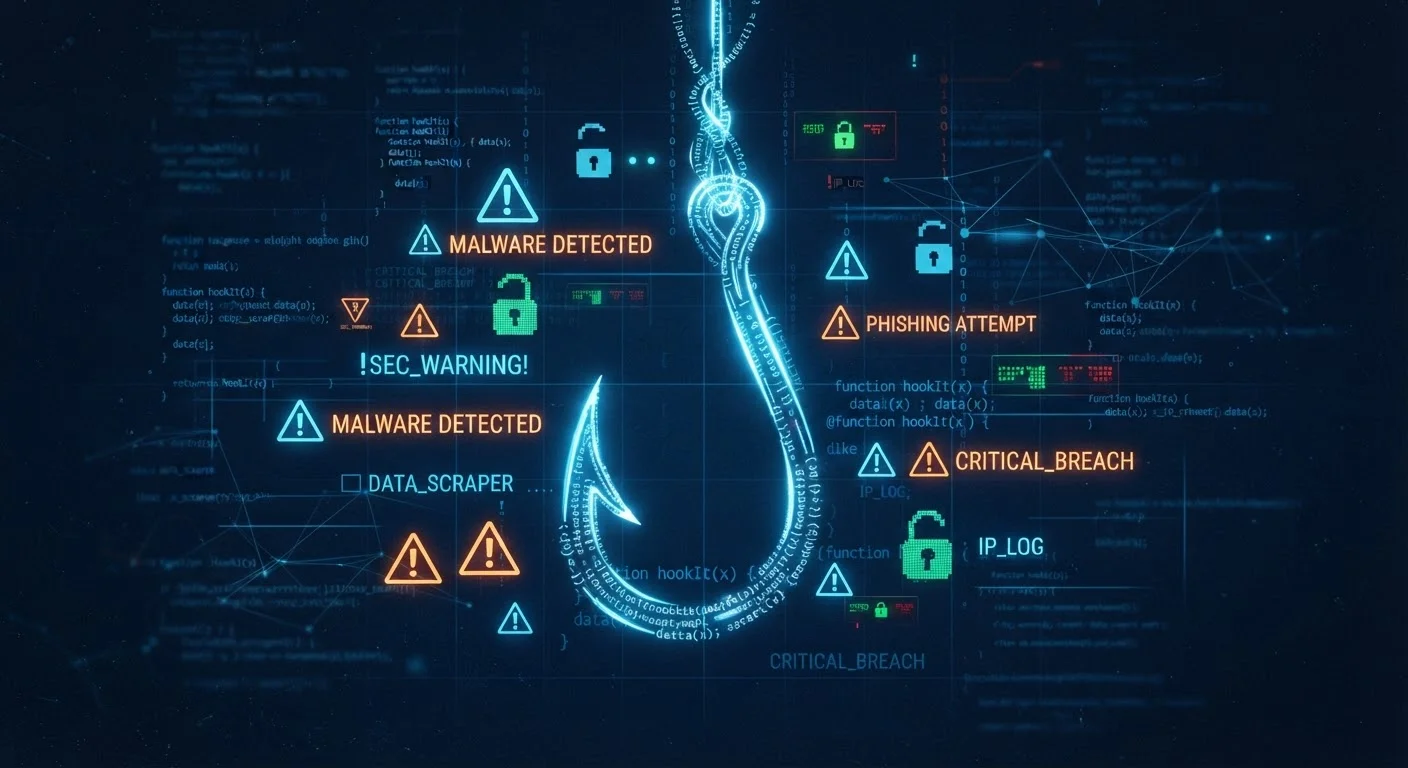
Photo: DockedReads.com | Information Made Easy editorial
Key Takeaways
- Scammers constantly evolve their tactics, blending technology and psychology to appear credible.
- Romance scams, tech support fraud, and fake giveaways each rely on manufactured urgency or trust.
- Recognizing the structural patterns of a scam helps you spot new variations before they become familiar.
- Legitimate organizations rarely initiate contact asking for passwords, gift cards, or remote device access.
- Slowing down and verifying independently — before acting — is the most reliable defense.
Why Scams Keep Changing Shape
Online scams are not static schemes run by obvious villains. They are adaptive, professionally organized operations that study human behavior, follow the news cycle, and retool whenever public awareness catches up to them. A scam format that feels dated today was convincing to millions of people just a few years ago — and a new variation built on the same psychological principles is likely already circulating.
What makes scams persistently effective is not technical sophistication. It is the exploitation of ordinary human instincts: the desire to help someone in distress, the fear of missing a reward, the anxiety of a looming threat. Understanding the structural patterns — not just the current disguises — is what gives you durable protection. The list below covers the most widely reported types along with the mechanics that make each one work. For a deeper look at how personal information fuels these schemes, see our plain-language guide to personal data online.
Romance Scams
A romance scam begins with a connection — on a dating app, social media, or even a misdialed text — and evolves over weeks or months into what feels like a genuine relationship. The scammer invests time building emotional intimacy before any financial request appears. When the ask does come, it is usually framed as an emergency: a medical crisis, a stranded shipment, or a temporary cash shortage. The emotional bond built up to that point makes refusal feel like a betrayal.
These scams cause significant financial and emotional harm. The Federal Trade Commission has consistently reported romance scams as among the highest-loss fraud categories in the United States. A key warning sign: the person never agrees to a live video call, always has a reason why meeting in person is impossible, and moves toward declarations of love unusually fast.
Weeks of emotional investment are the setup — the financial ask is always the actual goal.
Tech Support Fraud
Tech support fraud typically starts with a realistic-looking pop-up warning that your computer has been infected, or a phone call from someone claiming to represent a well-known software company. The message creates alarm and offers an immediate solution: call a number, or allow a technician to remotely connect to your device.
Once remote access is granted, the scammer can install malware, harvest saved passwords, or stage a fake "fix" that actually does damage. Payment is then requested — often in gift cards, wire transfer, or cryptocurrency, all of which are difficult to reverse. Legitimate technology companies do not make unsolicited outbound calls about your device, and they do not ask for payment via gift card under any circumstances.
No legitimate tech company will call you out of the blue to fix a problem you never reported.
Phishing and Spear-Phishing
Phishing is the practice of impersonating a trusted entity — a bank, a government agency, a delivery service — to trick someone into clicking a malicious link or handing over credentials. Spear-phishing is a targeted version: the message is customized with real details (your name, your employer, a recent transaction) to make it far more convincing.
Modern phishing attempts arrive not just by email but via text message (called smishing) and voice call (vishing). The common thread is a request to act quickly — verify your account, confirm a charge, unlock a suspended service. Phishing tactics are increasingly sophisticated and worth understanding in detail, because the same techniques appear across all delivery channels.
Urgency is phishing's most reliable weapon — slow down before clicking anything.
Fake Giveaways and Prize Scams
You have been selected. You have won. You just need to pay a small processing fee, or provide your bank details to receive the transfer. Prize and giveaway scams work by triggering anticipation and then extracting either money or personal information before the non-existent reward is delivered. They circulate widely on social media, where impersonator accounts mimic real brands or public figures to add credibility.
A reliable rule: legitimate sweepstakes and giveaways never require a fee to claim a prize, and they never ask for financial account numbers upfront. If you did not enter a contest, you cannot have won it.
Legitimate prizes never require an upfront fee or your bank account number to claim.
Investment and Cryptocurrency Scams
Investment scams promise outsized returns with little or no risk — a combination that does not exist in real financial markets. Cryptocurrency has become a common vehicle because transactions are fast, largely irreversible, and less familiar to many people, making it harder to recognize warning signs in real time. A variation called "pig butchering" combines the long-relationship building of romance scams with an eventual push to invest in fraudulent platforms.
These schemes often begin with small "wins" — the platform shows fabricated profits to build confidence — before the target is encouraged to deposit larger sums. When withdrawal is attempted, fees or delays materialize, and eventually contact disappears entirely. This article is for informational purposes only and is not financial advice; for questions about investment decisions, consult a licensed financial professional.
Platforms showing guaranteed profits with no risk are displaying fabricated numbers, not real returns.
Government Impersonation Scams
Callers or message senders posing as the IRS, Social Security Administration, or local law enforcement tell targets they owe money, face arrest, or have had their identity compromised. The fear generated by an apparent government contact pushes people to act immediately — paying a fabricated debt via wire transfer or gift card, or providing a Social Security number to "verify" their identity.
U.S. government agencies communicate primarily through official mail for sensitive matters. They do not demand immediate payment over the phone, threaten arrest for non-payment of taxes, or ask for payment in gift cards. If a call or message creates panic about a government matter, hang up and contact the agency directly using the number listed on its official website.
U.S. government agencies do not demand immediate payment by phone or accept gift cards.
Building Lasting Awareness
Each scam type described above shares a common engine: artificial pressure applied to a person who has been softened by trust, fear, or excitement. Scammers work hard to shrink the window between first contact and a decision, because a moment of calm reflection is their biggest enemy. Deliberately slowing down — waiting 24 hours before acting on any unsolicited request involving money or access — disrupts that engine reliably.
The Independent Verification Habit
Several of these scam types depend on misunderstandings that are worth correcting directly. Our article on online privacy myths most people still believe addresses assumptions that leave people more exposed than they realize. And for anyone who wants a full framework for protecting their digital life, our comprehensive privacy playbook covers practical steps from email to smart devices. If you have children at home, keeping children safer online addresses how scam awareness can become a family conversation.
The content on this site is for informational purposes only and is not a substitute for professional advice. Always consult a qualified professional for guidance specific to your situation.