
Spaying and Neutering: What the Evidence Says Beyond the Population Argument

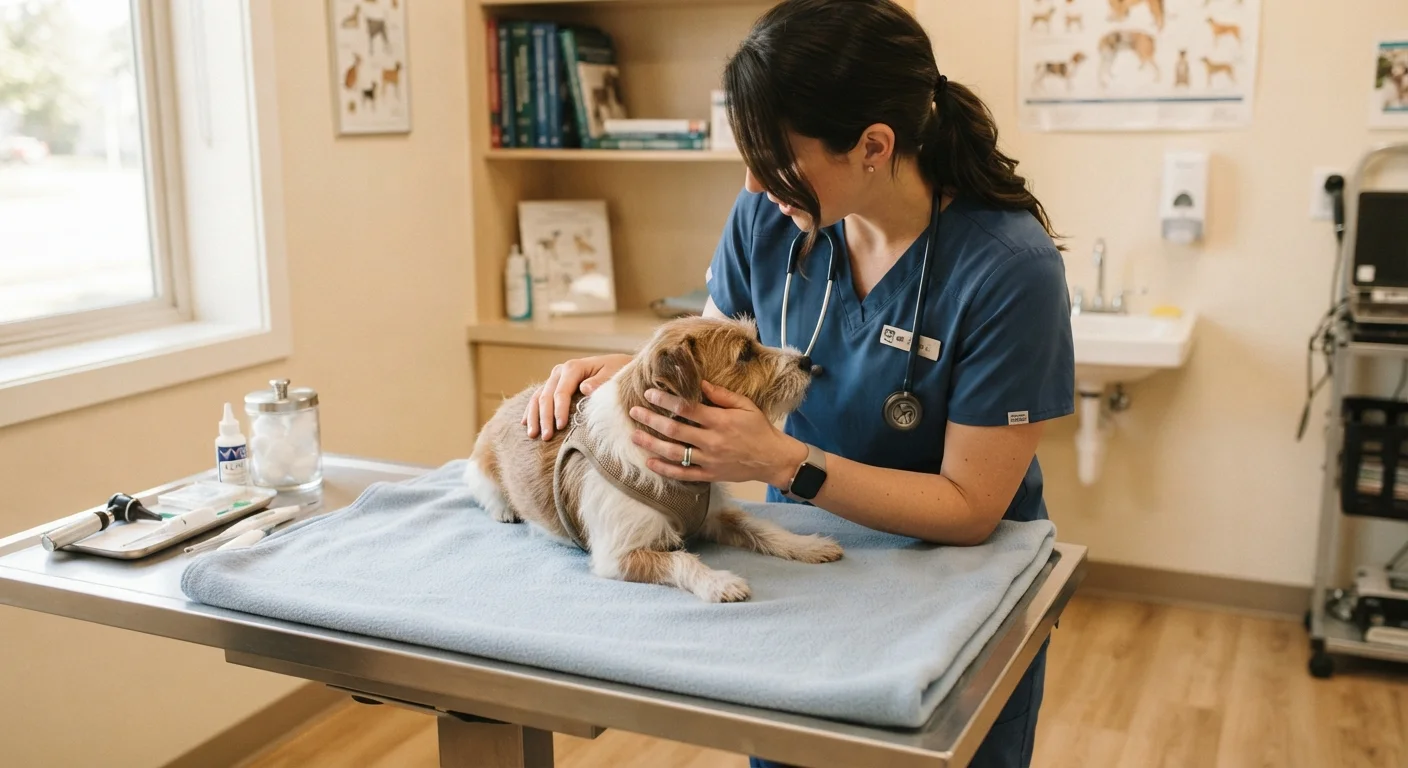
Photo: DockedReads.com | Information Made Easy editorial
Key Takeaways
- Spaying and neutering offer real health benefits but also carry documented risks that vary by species and breed.
- Timing of the procedure significantly influences orthopedic and hormonal health outcomes, especially in large-breed dogs.
- Cats generally show a more straightforward health benefit profile from early spay/neuter than dogs do.
- Emerging research supports individualized timing conversations with your veterinarian rather than a one-size-fits-all approach.
- Weight gain after surgery is common but manageable with dietary adjustments and exercise.
Eliminates risk of uterine infection (pyometra)
Pyometra is a potentially fatal condition in intact females; spaying removes the uterus entirely, making it impossible. It affects a meaningful proportion of unspayed dogs and cats over their lifetime.
Significantly reduces mammary tumor risk in females
Spaying before the first heat cycle has been associated with a markedly lower incidence of mammary gland tumors, which are malignant in roughly 50% of dogs and up to 90% of cats.
Eliminates testicular cancer in males
Neutering removes the testes entirely, making testicular cancer — one of the more common cancers in older intact male dogs — a non-issue.
Reduces roaming, fighting, and marking behavior
Sex hormone-driven behaviors such as territorial urine marking, aggression toward other animals, and escape attempts are substantially reduced after neutering, lowering injury and disease transmission risk.
Decreases benign prostatic hyperplasia risk in male dogs
Benign enlargement of the prostate is nearly universal in intact older male dogs and can cause urinary and defecation difficulties; neutering prevents or resolves this condition in most cases.
Potential increased orthopedic risk in large breeds
Studies have linked early gonadectomy in large and giant breed dogs to higher rates of cranial cruciate ligament rupture and hip dysplasia, likely due to altered bone growth plate development without sex hormone influence.
Possible elevated risk of certain cancers by breed
Breed-specific research has found associations between early neutering and increased rates of hemangiosarcoma, mast cell tumors, and lymphoma in certain breeds, including Golden Retrievers and Vizslas.
Increased tendency toward weight gain post-surgery
Removal of sex hormones can reduce metabolic rate and alter appetite regulation. Without dietary adjustment, many spayed or neutered pets gradually gain weight, which carries its own health consequences.
Urinary incontinence risk in spayed female dogs
Spayed females, particularly larger breeds, have a higher prevalence of hormone-responsive urinary incontinence compared with intact females, a condition that may require long-term management.
Irreversibility requires careful pre-surgical consideration
Standard spay and neuter procedures are permanent. Owners who later wish to preserve fertility or reconsider the timing have no straightforward reversal option, making the initial decision consequential.
Beyond Population Control: A Health-Focused Lens
For decades, the dominant message around spay and neuter has centered on reducing shelter overcrowding. That goal remains valid, but it can overshadow a separate, equally important question: what does the procedure actually do to an individual animal's long-term health?
Spaying (ovariohysterectomy or ovariectomy in females) and neutering (orchiectomy in males) remove the primary sources of sex hormones — estrogen, progesterone, and testosterone. These hormones don't only govern reproduction; they play structural roles in bone development, immune regulation, and tissue maintenance. Understanding that removal has downstream consequences is the starting point for any honest evidence review.
This article focuses primarily on dogs and cats, where the research base is most developed. If you have questions about other species, a veterinarian with exotic animal experience is your best resource.
The Evidence-Backed Benefits
Eliminates risk of uterine infection (pyometra)
Pyometra is a potentially fatal condition in intact females; spaying removes the uterus entirely, making it impossible. It affects a meaningful proportion of unspayed dogs and cats over their lifetime.
Significantly reduces mammary tumor risk in females
Spaying before the first heat cycle has been associated with a markedly lower incidence of mammary gland tumors, which are malignant in roughly 50% of dogs and up to 90% of cats.
Eliminates testicular cancer in males
Neutering removes the testes entirely, making testicular cancer — one of the more common cancers in older intact male dogs — a non-issue.
Reduces roaming, fighting, and marking behavior
Sex hormone-driven behaviors such as territorial urine marking, aggression toward other animals, and escape attempts are substantially reduced after neutering, lowering injury and disease transmission risk.
Decreases benign prostatic hyperplasia risk in male dogs
Benign enlargement of the prostate is nearly universal in intact older male dogs and can cause urinary and defecation difficulties; neutering prevents or resolves this condition in most cases.
For cats especially, the benefit profile of early spay/neuter is considered straightforward by most veterinary consensus. Spayed female cats have dramatically lower rates of mammary tumors, and the risk of pyometra — a life-threatening uterine infection — is eliminated entirely. Neutered male cats are far less likely to roam, fight, or spray, behaviors strongly linked to outdoor injury risk. For a deeper look at how lifestyle intersects with feline health, see our guide to indoor vs. outdoor cat health trade-offs.
In dogs, spaying before the first heat cycle is associated with significantly lower mammary tumor incidence. Neutering eliminates testicular cancer risk and reduces the likelihood of benign prostatic hyperplasia in older males.
The Documented Risks: What Research Reveals
Potential increased orthopedic risk in large breeds
Studies have linked early gonadectomy in large and giant breed dogs to higher rates of cranial cruciate ligament rupture and hip dysplasia, likely due to altered bone growth plate development without sex hormone influence.
Possible elevated risk of certain cancers by breed
Breed-specific research has found associations between early neutering and increased rates of hemangiosarcoma, mast cell tumors, and lymphoma in certain breeds, including Golden Retrievers and Vizslas.
Increased tendency toward weight gain post-surgery
Removal of sex hormones can reduce metabolic rate and alter appetite regulation. Without dietary adjustment, many spayed or neutered pets gradually gain weight, which carries its own health consequences.
Urinary incontinence risk in spayed female dogs
Spayed females, particularly larger breeds, have a higher prevalence of hormone-responsive urinary incontinence compared with intact females, a condition that may require long-term management.
Irreversibility requires careful pre-surgical consideration
Standard spay and neuter procedures are permanent. Owners who later wish to preserve fertility or reconsider the timing have no straightforward reversal option, making the initial decision consequential.
Research from UC Davis and other institutions has identified elevated rates of certain orthopedic conditions — including cranial cruciate ligament tears and hip dysplasia — in large and giant breed dogs neutered before 12 months. The working hypothesis is that sex hormones contribute to the normal closure of bone growth plates; removing them early may alter musculoskeletal development.
Studies on Golden Retrievers, Labrador Retrievers, and German Shepherds have found breed-specific associations between early gonadectomy and certain cancers, including hemangiosarcoma and mast cell tumors. These findings don't apply uniformly across all breeds, which underscores why breed-specific guidance from a veterinarian matters.
Watch for Post-Surgery Weight Changes
Weight management deserves particular attention after any spay or neuter procedure. Metabolic rate changes and reduced roaming behavior can combine to cause gradual weight gain. For a detailed look at the mechanisms behind pet obesity, see why pets gain weight and what the science says.
Timing: Where the Conversation Has Shifted
Traditional protocols in the US have often recommended spay/neuter around 6 months of age. Increasingly, veterinary organizations — including the American Veterinary Medical Association — acknowledge that optimal timing is not universal.
~26%
Lifetime pyometra risk in unspayed dogs
Research published in veterinary epidemiology literature estimates roughly one in four intact female dogs will develop pyometra by age 10.
3–7×
Mammary tumor risk reduction from early spaying
Studies indicate spaying before the first heat cycle reduces mammary tumor risk substantially compared with spaying after multiple cycles or not at all.
~5×
Higher CCL tear rate in early-neutered large breed males
UC Davis research on certain large breeds found cranial cruciate ligament tears were significantly more common in dogs neutered before 12 months versus intact dogs.
For small-breed dogs (generally under 20 lbs at adult weight), early spay/neuter continues to show a favorable risk-benefit profile similar to cats. For medium, large, and giant breeds, many veterinarians now discuss waiting until 12–24 months, after growth plate closure. This is especially relevant for intact female dogs, where delaying spay until after one or two heat cycles may lower orthopedic risk while still significantly reducing mammary tumor risk compared with never spaying.
The conversation around partial procedures — such as ovary-sparing spay or vasectomy — is also growing, though long-term data on outcomes remain limited. Discussing these options with a board-certified veterinary specialist may be worthwhile for owners of high-risk breeds.
Making an Informed Decision With Your Vet
The evidence supports a genuinely individualized approach. Factors your veterinarian should consider include your pet's species, breed, projected adult size, sex, current health status, and your ability to manage an intact animal safely at home.
Bring specific questions to your appointment: What are the orthopedic risk considerations for my dog's breed? At what age do you recommend the procedure, and why? Are there behavioral considerations that affect timing? Good nutrition before and after surgery also plays a role in recovery and long-term wellness — the same evidence-based thinking that applies to separating pet feeding fact from myth applies here too.
No single decision framework fits every animal. The goal is a conversation grounded in current evidence, not a reflexive protocol.
This article is for general informational purposes only and does not constitute veterinary medical advice. Always consult a licensed veterinarian for guidance specific to your pet's health and circumstances.
The content on this site is for informational purposes only and is not a substitute for professional advice. Always consult a qualified professional for guidance specific to your situation.