
Why Pets Gain Weight—and What the Science Says About Managing It

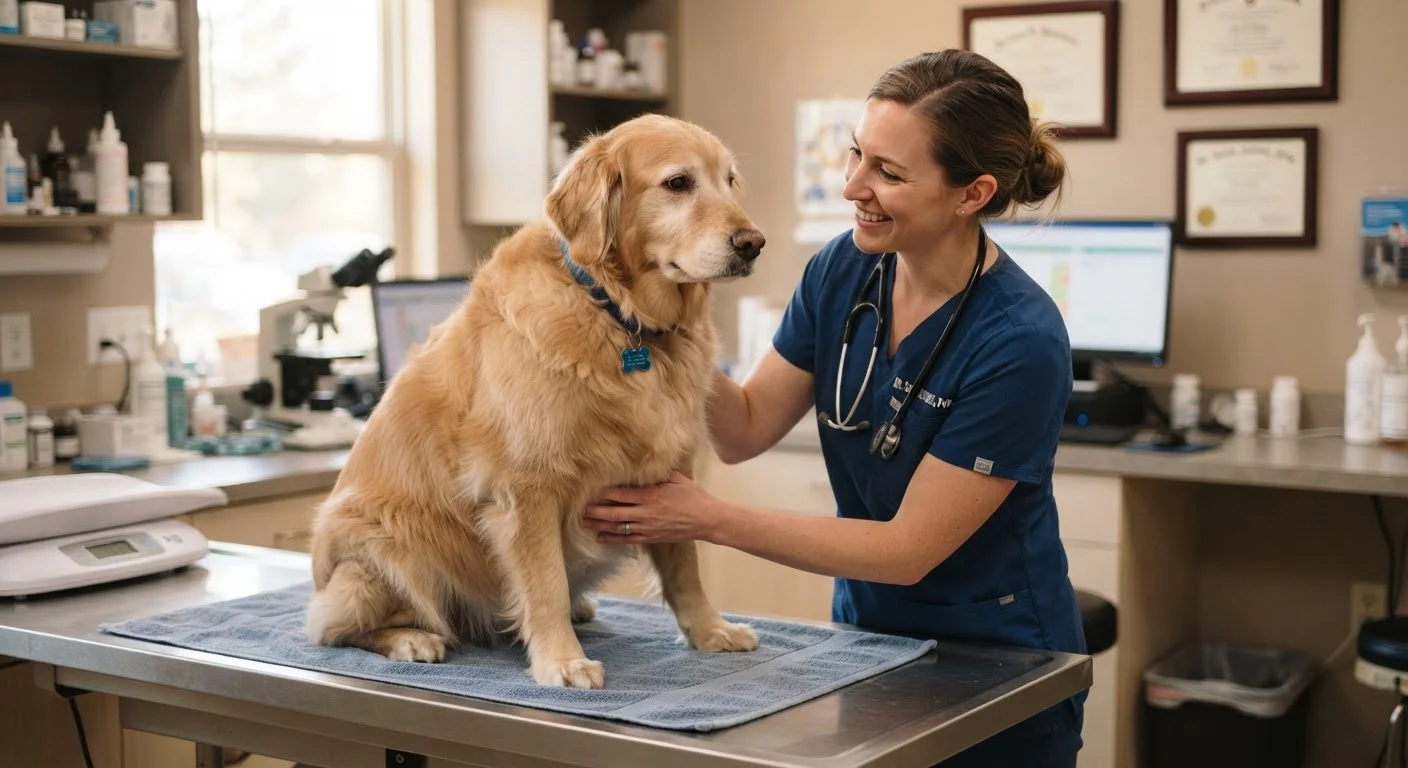
Photo: DockedReads.com | Information Made Easy editorial
Key Takeaways
- Pet obesity is influenced by genetics, diet, activity level, and hormonal health — rarely just overfeeding alone.
- Spaying or neutering can meaningfully reduce a pet's resting energy requirements, increasing weight gain risk.
- Body condition scoring is a more reliable obesity indicator than bodyweight on a scale.
- Gradual, vet-supervised weight loss is safer than rapid calorie restriction for most pets.
- Environmental enrichment and structured feeding routines are as important as calorie counts.
The Science Behind Why Pets Gain Weight
Weight gain in pets follows the same fundamental principle as in humans: when caloric intake consistently exceeds energy expenditure, excess energy is stored as fat. But the factors driving that imbalance are far more complex than simply feeding too much.
Genetics play a significant role. Research has identified specific gene variants — notably a mutation in the POMC gene found in Labrador Retrievers — that disrupt hunger-signaling hormones, causing affected dogs to feel perpetually hungry and show heightened food motivation. This isn't willful overeating; it's a biological drive the animal cannot override.
Hormonal status is equally influential. Spaying and neutering reduce circulating sex hormones, which in turn lower resting energy expenditure. Studies indicate that energy needs can drop by 20–30% following the procedure. Pets whose food intake isn't adjusted post-surgery are at substantially higher risk of gradual weight gain. Age compounds this further, as muscle mass naturally declines with time, slowing metabolism. For a deeper look at how health needs shift with age, see our article on caring for senior pets.
~60%
US dogs and cats estimated to be overweight or obese
The Association for Pet Obesity Prevention has consistently reported that the majority of US companion animals are above healthy body weight in annual veterinary surveys.
20–30%
Reduction in resting energy needs post-spay/neuter
Peer-reviewed veterinary research indicates that sex hormone removal through sterilization measurably lowers a pet's baseline caloric requirements.
2.5 years
Potential lifespan reduction linked to obesity in dogs
A long-term Purina-funded study found that Labrador Retrievers maintained at an ideal body condition lived a median of 1.8–2.5 years longer than their overweight littermates.
Diet, Feeding Behavior, and Hidden Calories
What and how pets are fed matters as much as raw calorie quantity. Free-choice feeding — leaving food out continuously — removes the natural regulation that meal-based feeding provides. Many pets, particularly cats and Labrador Retrievers, will eat beyond satiety when food is always available.
Treats are a frequently underestimated contributor. In a typical household, treats can represent 10–30% of a pet's daily calorie intake. When treats aren't factored into the daily calorie budget, owners inadvertently create a consistent surplus. Similarly, high-fat table scraps add dense calories that most pet foods aren't formulated around.
Feeding label guidelines are a useful starting point but are not precision prescriptions — they're calculated for an average, unaltered adult animal at typical activity levels. Many pets need significantly less. Our article on portion sizing principles explains how body condition scoring helps you calibrate amounts more accurately than package directions alone. It's also worth reviewing common feeding misconceptions — our piece on popular pet feeding myths separates evidence-based guidance from widespread folklore.
Use a Kitchen Scale for Portions
Managing Pet Weight: What Evidence-Based Care Looks Like
Effective weight management begins with a veterinary assessment. A vet will establish a body condition score, rule out underlying medical causes like hypothyroidism or hyperadrenocorticism (Cushing's disease), and calculate a realistic target weight with a safe rate of loss — typically 1–2% of body weight per week.
Dietary adjustment is the primary lever. This usually means switching to a measured meal schedule, reducing daily calories modestly (crash dieting is dangerous, especially in cats), and potentially transitioning to a veterinary therapeutic diet formulated for weight loss. These diets are designed to reduce calorie density while maintaining satiety and nutritional completeness. For context on how diet intersects with conditions like obesity and diabetes, our overview of pet nutrition for common health conditions provides a helpful foundation.
Increased physical activity supports weight loss but should match the pet's current condition. A dog carrying significant excess weight may need low-impact activity — short, frequent walks rather than long runs — to avoid joint stress. Environmental enrichment, puzzle feeders, and structured play also address the behavioral dimension of weight, particularly for cats whose indoor lifestyles limit natural activity. Behavioral strategies explored in our pet training and behavior hub can support structured activity routines.
Rapid Weight Loss in Cats Is Dangerous
This article is for general informational purposes only and does not constitute veterinary advice. Always consult a licensed veterinarian before making changes to your pet's diet or exercise routine, particularly if your pet has an underlying health condition.
Frequently Asked Questions
The content on this site is for informational purposes only and is not a substitute for professional advice. Always consult a qualified professional for guidance specific to your situation.