
Maintaining Wood Floors: What Works, What Damages, and What's Just Habit

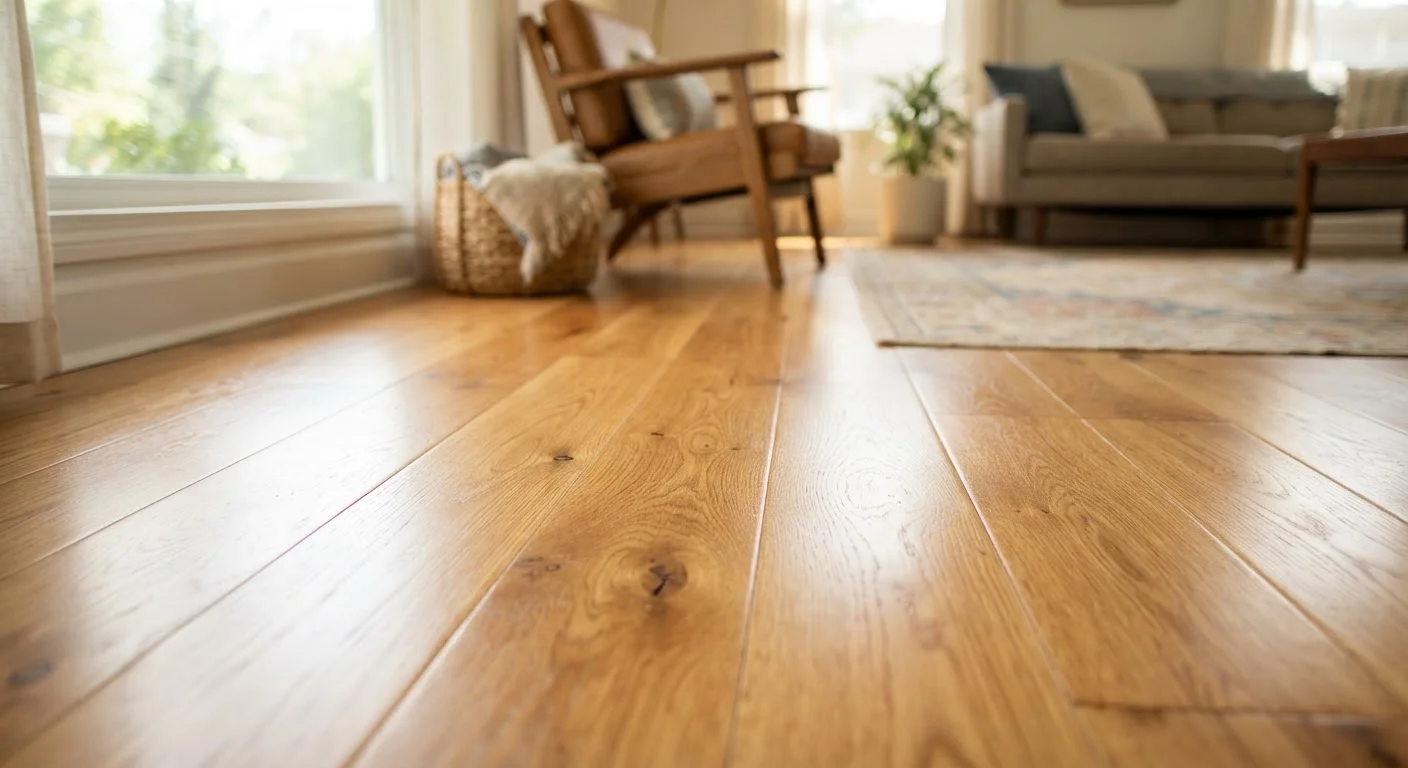
Photo: DockedReads.com | Information Made Easy editorial
Key Takeaways
- Excess moisture is the single biggest threat to hardwood floors, even in small amounts.
- Many common cleaning habits — like steam mopping — can cause irreversible wood damage.
- Routine dry cleaning and prompt spill response are the most protective daily practices.
- The finish type on your floor determines which cleaning products are actually safe to use.
- Minor scratches and dullness are often treatable without professional refinishing.
Why Hardwood Floors Need Their Own Approach
Hardwood flooring is durable, but it's also reactive — to moisture, abrasion, and the wrong cleaning products. Unlike tile or vinyl, wood is a living material that continues to expand, contract, and absorb its environment long after installation. That makes routine care both more important and more specific than many homeowners expect.
Many floor problems — cupping, dullness, gaps, white hazing — trace directly back to cleaning habits that seemed harmless. Steam mops, for example, deliver concentrated moisture and heat directly into seams, and are widely recognized by flooring professionals as damaging to hardwood, regardless of finish type. Oil soaps, while popular, can leave residue that clouds the finish and interferes with future refinishing adhesion.
If you're comparing flooring types or planning an upgrade, our guide to laminate vs. engineered hardwood flooring covers how different materials hold up to daily wear. And for a broader view of upkeep across your home, see our seasonal home maintenance checklist.
Know Your Floor Finish First
Practices That Actually Protect Your Floors
Effective hardwood care isn't complicated, but it does require consistency. The practices below address the most common causes of damage — abrasion, moisture, and finish deterioration — with approaches that are practical for everyday homeowners.
Sweep or dust-mop daily in high-traffic areas.
Damp-mop sparingly, using a nearly dry mop and a pH-neutral hardwood cleaner.
Place felt pads under all furniture legs and area rugs at entryways.
Respond to spills immediately by blotting — never wiping — with a dry cloth.
Maintain indoor relative humidity between 35% and 55% year-round.
Address finish wear in isolated areas with a compatible touch-up product before full refinishing becomes necessary.
Common Habits That Quietly Cause Damage
Some of the most damaging behaviors come from good intentions. Understanding what to avoid is as important as knowing what to do.
- Steam mopping: Heat and steam penetrate finish and wood fibers, causing swelling, warping, and finish clouding. Avoid entirely on hardwood.
- Soaking spills with a wet cloth: Prolonged contact with any liquid — including water — can raise the grain or leave permanent white marks.
- Using all-purpose or vinegar-based cleaners: Acidic cleaners gradually break down polyurethane finishes. Vinegar, despite its popularity as a natural cleaner, is not recommended for finished hardwood.
- Skipping the entryway mat: Studies on flooring wear consistently identify tracked-in grit as a primary driver of finish abrasion in residential homes.
- Waxing polyurethane-finished floors: Wax applied over polyurethane creates a slippery, difficult-to-remove layer that prevents future refinishing from bonding properly.
For a broader look at which popular home care assumptions are actually counterproductive, see our piece on home maintenance myths that cost homeowners money.
Quick Actions You Can Take Today
You don't need to overhaul your cleaning routine all at once. A few targeted changes deliver the most protection with minimal effort.
If you've recently bought a home and are building out your overall maintenance approach, our first-time homeowner's upkeep guide is a practical starting point for setting up good habits across every system in the house.
“Wood floors are not a surface to be cleaned — they are a material to be maintained. The two require fundamentally different mindsets.”
— National Wood Flooring Association, Industry trade organization representing wood flooring professionals across North America
The content on this site is for informational purposes only and is not a substitute for professional advice. Always consult a qualified professional for guidance specific to your situation.